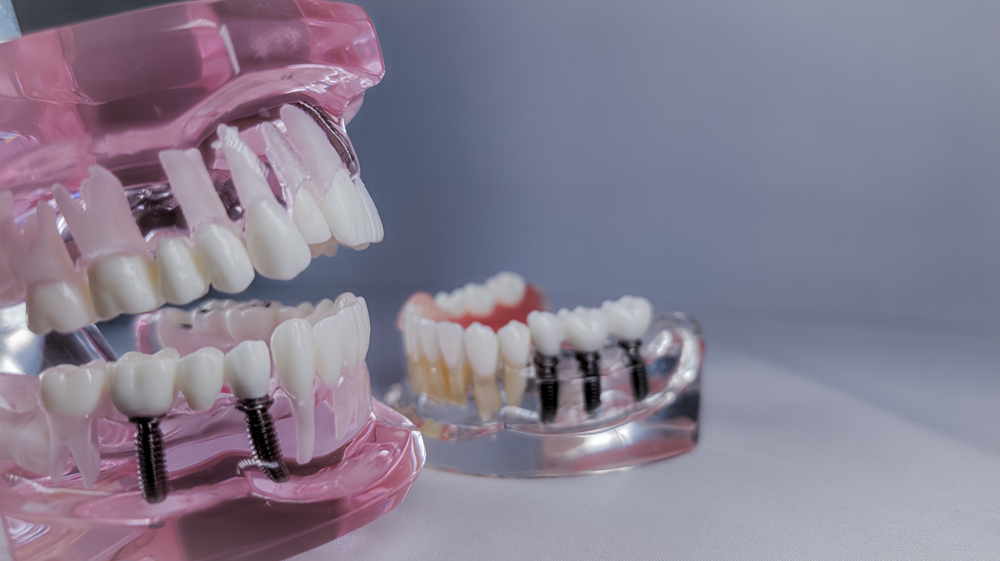
A dental implant is designed to feel stable, comfortable, and natural once it has fully healed. So when suddenly your dental implant feels loose, even slightly, it can be unsettling. The good news is that looseness does not always mean the implant post itself has failed. In some cases, the issue may involve the crown, abutment, or a small screw that connects the visible restoration to the implant.
That said, a loose implant should never be ignored. Dental implants depend on healthy bone, gum tissue, and precise restorative components to function properly. The sooner an implant specialist in Oceanside evaluates the problem, the better the chances of protecting the implant, correcting the issue, and preventing further complications.
Does a loose implant always mean failure?
No, a loose dental implant does not always mean failure. The outcome depends on which part is loose, how long the problem has been present, whether there is pain or infection, and how much bone support remains around the implant.
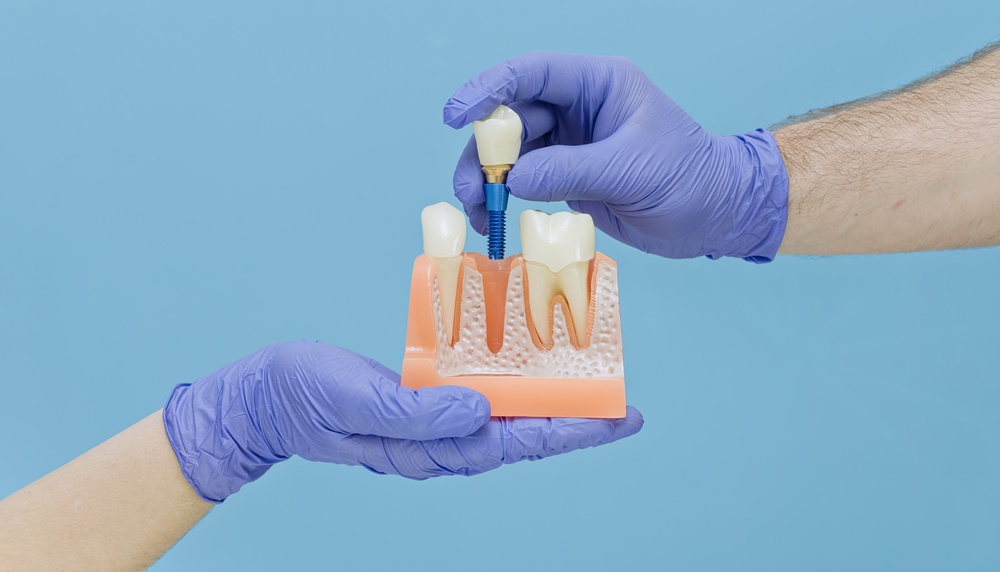
For example, a loose crown may happen because of normal chewing forces, teeth grinding, or wear on the small components that hold the restoration in place. This can often be repaired without removing the implant post. In some cases, all we have to do is remove the crown, tighten or replace the internal screw, and reattach the restoration.
On the other hand, if the implant itself moves, the situation is different. Dental implants rely on osseointegration, the process by which the jawbone grows around and bonds to the implant surface. If that bond weakens or fails, the implant may no longer have the stability it needs. At that point, your provider will need to determine whether the implant can be saved or whether it should be removed and replaced after healing.
Common reasons a dental implant may feel loose
One of the most common reasons is a loose abutment screw. This small screw helps secure the abutment and crown to the implant. If it loosens, the implant crown feels high or like it’s shifting even though the implant post remains stable.
Bite pressure can also play a role. If the implant crown is hitting too heavily when you chew, the extra force can strain the restoration or surrounding bone. Patients who clench or grind their teeth may be at higher risk because repeated pressure can affect both natural teeth and implant-supported restorations.
Another possible cause is peri-implant disease, which is inflammation around the implant. In its earlier stage, the gum tissue around the implant may become irritated or bleed. If the condition progresses, it can lead to bone loss around the implant, which may eventually affect stability.
In some cases, looseness can develop during the healing period if the implant does not integrate properly with the jawbone. This may be related to bone quality, infection, smoking, uncontrolled medical conditions, excessive pressure during healing, or other individual risk factors.
Warning signs you should not ignore
While we recommend you visit our office to inspect any movement around a dental implant, certain symptoms make it especially important to schedule an appointment promptly. If you notice pain or clicking when biting, swelling around the implant, bleeding gums, pus, a bad taste, gum recession, or the feeling that you have a loose implant crown, call us without delay.
Discomfort does not always mean the implant has failed, but it does signal that something needs attention. Dental implants do not have nerves inside them like natural teeth, so pain around an implant often comes from the surrounding gum tissue, bone, or bite-related pressure. Waiting too long can allow a small mechanical issue to become a larger biological or restorative problem.
It is also important not to test the implant repeatedly with your tongue or fingers. Even gentle wiggling can irritate the area or make the problem worse. Avoid chewing on that side until you come to our dental office.
Can a loose implant be saved?
Sometimes, yes. If the issue is caught early and involves the crown or abutment, the implant itself may be completely healthy. Even some gum-related inflammation can improve with professional care, better home hygiene, and ongoing maintenance when addressed early.
However, if the implant has lost significant bone support or is moving within the jawbone, we may not be able to save it. While that can be disappointing, it does not necessarily mean you are out of options. Many patients can still receive a new implant after the site has healed and the underlying cause has been addressed.
The key is identifying why the implant became loose in the first place. Replacing an implant without correcting the original problem can lead to repeat complications.
How can patients protect their loose implants
Dental implants are strong, but they still need consistent care. Brush and clean around the implant every day, and follow our dentist’s recommendations for floss, interdental brushes, water flossers, or other tools designed for implant maintenance. Regular dental visits are essential because that allows us to monitor your gum tissue, check the bite, and look for early changes that you may not notice at home.
If you grind or clench your teeth, it may be a good time to opt for a nightguard. If you smoke, quitting can support better gum and bone health. If you have diabetes or another condition that affects healing, keeping it well managed can also help protect your long-term implant results.
Most importantly, pay attention to changes. A dental implant should feel secure. If something feels different, it is always better to stop by our clinic and check it than to wait for discomfort or visible swelling.
How can I get in touch with the best implant specialist in Oceanside, CA & beyond?
We understand that a loose dental implant can be stressful, but don’t be disheartened. It is not always a sign of complete failure. If your dental implant feels loose, avoid chewing on it, do not try to tighten it yourself, and arrange an evaluation with our team as soon as possible.
If you need someone to guide you through the healing period before your implant crown is placed, explain why food may collect around dental implants, or help you understand what distinguishes a top dental implant specialist, feel free to contact us directly.
You can easily schedule your appointment while you’re waiting for your ride at Oceanside Transit Center, and our team will talk you through the process and help you pick the right treatment for your long-term wellbeing. Reach out to us today!