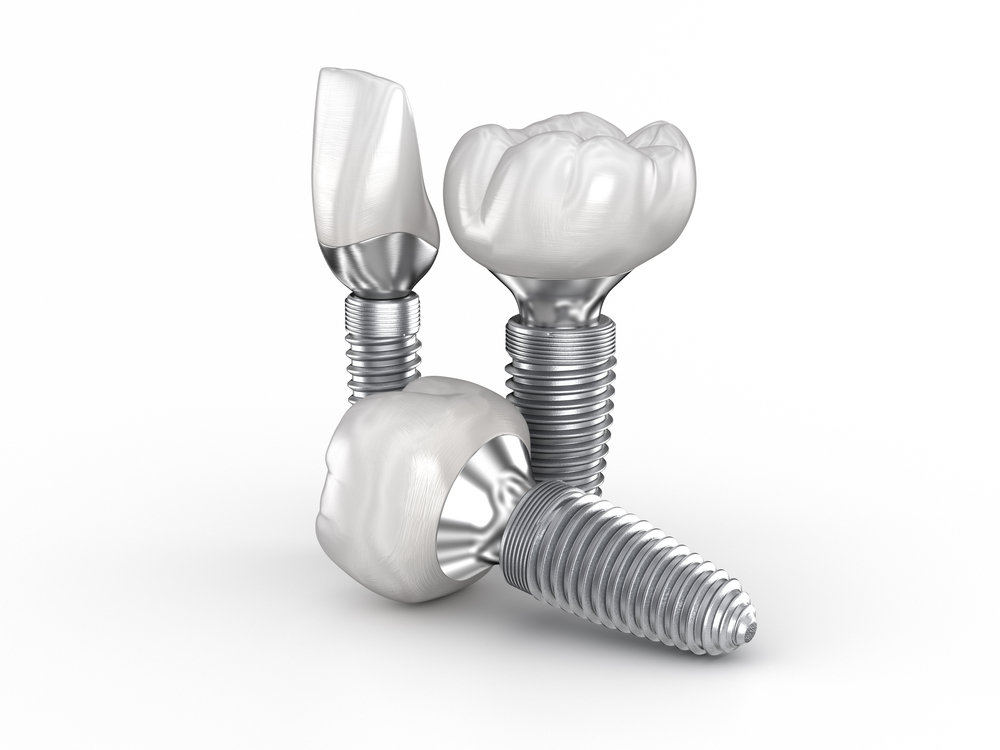
If you’ve started researching ways to replace a whole row of teeth, you’ve probably come across names like All-on-4, All-on-6, and All-on-X. They sound alike for good reason. Still, the labels can leave people wondering whether they’re comparing separate treatments or different versions of the same idea.
For anyone looking for a dental implants specialist in Murrieta, getting familiar with this terminology before a first consultation can make that conversation far more productive. You’ll walk in with a clearer sense of why a surgeon might recommend four posts instead of six, and you’ll be better prepared to ask about your own situation.
The concept is simpler than the names suggest. Once you know what the “All” and the “X” refer to, the rest falls into place. In today’s blog, we’ll break down what that “X” stands for and how long this type of restoration can last, so keep reading to learn more!
What does All-on-X mean in dental implants?
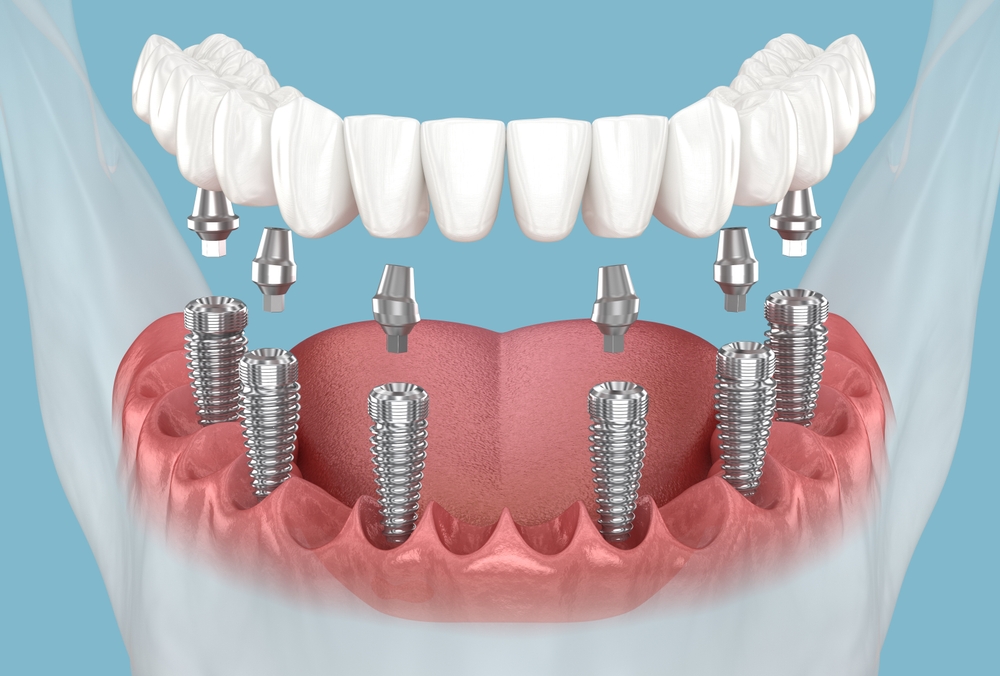
The name breaks down into two parts. “All” refers to the entire upper or lower arch, meaning every tooth in that jaw is replaced at once. “X” stands for the number of posts anchoring the new teeth, and that number varies from patient to patient.
In practice, All-on-X dental implants replace a complete row of teeth with a fixed bridge secured to a small group of titanium posts, usually four to six. Unlike a traditional denture, the bridge doesn’t come out at night or rely on adhesive to stay put.
This approach is meant for people missing most of the teeth in one jaw or whose remaining teeth are failing. It’s a very different plan from filling a single gap, so it helps to know whether you’re missing one tooth or many before comparing options.
Why isn’t the number fixed?
Every jaw is different. The final count is decided after a 3D cone beam scan shows how much bone is available and where the nerves and sinuses sit. Dense bone may only need four posts, while softer bone or heavy chewing forces may call for more. The tilt and depth of each post also affect how much support the bridge gets, so placement is mapped out before surgery.
What does treatment involve?
The All-on-X dental implants procedure generally follows this sequence:
- A consultation with 3D imaging to plan where each post will go
- Removal of any remaining failing teeth
- Placement of the posts, frequently with the help of a surgical guide
- A temporary fixed bridge, which can often be attached the same day
- A final custom bridge once the bone has healed around the posts, usually a few months later
How are All-on-4, All-on-6, and All-on-X related?
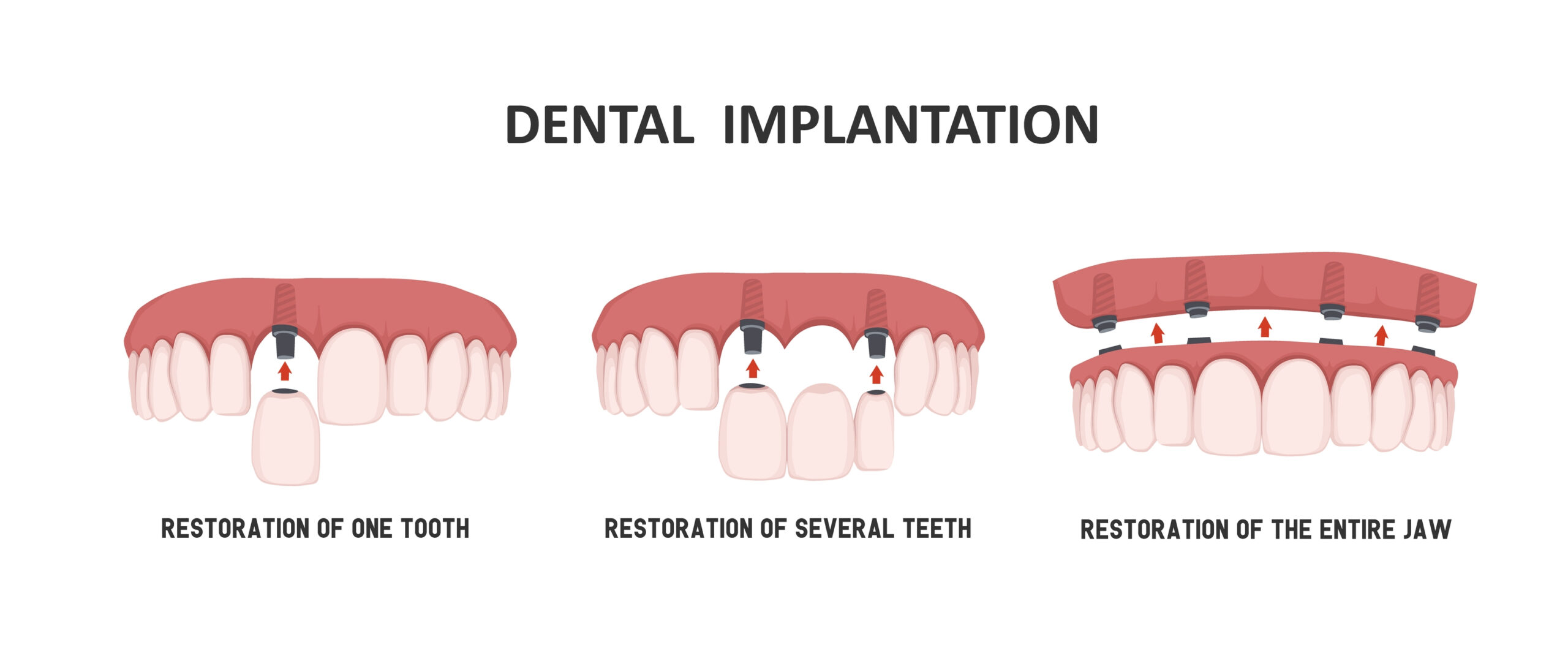
Think of All-on-X as the family name, with All-on-4 and All-on-6 as specific members. They share the same core idea: a fixed full-arch bridge supported by a limited number of strategically placed posts.
- All-on-4 was developed in the 1990s by Portuguese dentist Paulo Maló, and the name is trademarked by Nobel Biocare. It uses two straight posts near the front of the jaw and two posts toward the back that are tilted up to about 45 degrees to make the most of the available bone.
- All-on-6 adds two more posts. The extra support helps spread chewing forces, which can be useful in the upper jaw, where bone is often softer.
- All-on-X is the umbrella term. It covers any version of the concept, whether that means four, five, six, or more posts.
When people compare All-on-X dental implants vs All-on-4, they’re often surprised to learn it isn’t really an either-or decision. All-on-4 is simply one way of doing All-on-X. The more useful question is how many posts your jaw needs for a stable result.
That answer depends partly on exactly where in the mouth teeth are missing. The upper jaw sits below the sinuses and tends to have less dense bone, while the lower jaw has a major nerve running through it. Both shape how many posts are used and where they go.
How long do All-on-X implants last?
With good care, the titanium posts are meant to be a long-term solution, and research supports that. One study tracked patients with lower-jaw All-on-4 restorations for up to 18 years and reported cumulative survival rates of about 93% for the posts and nearly 99% for the bridges.
The posts and the bridge age differently, though. Once the posts fuse with the jawbone, they can potentially last for decades as long as the surrounding gums and bone stay healthy. The bridge absorbs the daily wear of chewing, so it may need repairs or replacement over the years. Chipping or cracking of acrylic bridges is among the more commonly reported problems, which is one reason some patients choose zirconia for their final teeth.
What helps them last longer?
A few habits make a noticeable difference:
- Cleaning under and around the bridge every day with a water flosser or specialized floss
- Keeping up with professional cleanings and checkups, often every six months
- Quitting smoking, which can interfere with healing and bone health
- Wearing a night guard if you grind or clench your teeth
- Keeping conditions like diabetes under control with your physician’s help
Gum inflammation around the posts can lead to bone loss if it goes unnoticed. Routine visits make it much easier to catch early, while it’s still simple to manage.
Who’s the leading dental implants specialist near me in Murrieta?
If you’ve been told you don’t have enough bone for fixed teeth, it’s worth getting a second look from Dr. Dmitry Tsvetov at Temecula Center for Dental Implants. As a board-certified oral surgeon and Fellow of the American Association of Oral and Maxillofacial Surgeons, he works with options like bone grafting, sinus lifts, and zygomatic anchors when the jaw needs extra support.
Your free consultation includes a 3D cone beam scan, so you’ll see your bone levels for yourself and hear which approach makes sense. For anyone living near the historic resort at Murrieta Hot Springs, our Temecula office is only a short drive south. Book your consultation and find out whether fixed teeth are within reach.