
Choosing to move forward with subperiosteal implants is a big step, and for many patients, the recovery period is one of the first things they want to understand. It is completely normal to wonder how much discomfort to expect, how long healing takes, and when daily life starts to feel normal again. While every patient’s experience is different, recovery after inserting a subperiosteal dental implant is often more manageable than many people anticipate.
Because subperiosteal implants are designed for patients who may not have enough jawbone for traditional implants, the healing process has its own considerations. The implant sits on top of the jawbone beneath the gum tissue, which means recovery focuses heavily on soft tissue healing, gum adaptation, and protecting the surgical area as it stabilizes. Understanding the typical stages of post-operative healing can make the experience feel less intimidating and help you enjoy a smoother, more comfortable recovery.
How does recovery look after a subperiosteal dental implant?
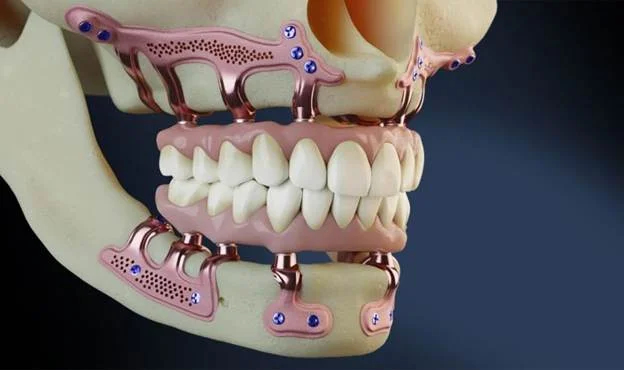
The oral surgery recovery timeline after subperiosteal implants is not exactly the same as recovery after traditional implants. Since the subperiosteal implant framework is placed on the jawbone and beneath the gums rather than inside the bone, the healing process is centered more around the soft tissues and how the gums adapt around the implant posts.
That does not mean post-operative healing is instant or effortless. Your mouth still needs time to recover from oral surgery, and the tissues around the implant need a chance to settle properly. Swelling, tenderness, and some temporary disruption to your normal eating and speaking habits are all part of the early phase for many patients.
The good news is that most patients find recovery becomes easier in stages. The first few days usually require the most care, while the following weeks are focused on gradual improvement and close monitoring by the dental team.
The first 24 to 72 hours
The first few days after surgery are usually when patients notice the most swelling and soreness. This is the body’s natural response to the procedure. The gums and surrounding tissues may feel tender, and some bruising or minor bleeding can occur in the early period.
 You may also notice:
- Mild to moderate discomfort
- Swelling in the gums, jaw, or cheeks
- A feeling of pressure in the surgical area
- Difficulty chewing normal foods
- Temporary changes in speech if the area feels swollen
Most patients are advised to rest, keep activity light, and avoid anything that could disturb the surgical site. Cold compresses are often recommended during the first day or two to help control swelling after dental implant surgery. Prescribed or recommended medications should be taken exactly as directed to keep discomfort manageable and reduce the risk of complications.
How long does it take to get used to eating with dental implants?
One of the most common questions patients ask is when they can eat normally again. In the beginning, you will likely need to stick to soft foods that do not require much chewing. Smooth soups, yogurt, mashed potatoes, eggs, oatmeal, and soft pasta are often easier choices while the tissues are still tender.
The goal is to avoid putting unnecessary pressure on the healing gums and implant area. Crunchy, spicy, sticky, or very hot foods can irritate the surgical site and should usually be avoided for a period of time. Hard chewing too early can create discomfort and may interfere with the proper healing process.
Hydration is also important, but patients are often told to avoid drinking through a straw right after surgery since suction can disturb healing tissues. As soreness improves, your dental team will usually guide you on how to expand your diet safely.
How to manage pain & swelling after dental implant surgery?
Recovery after subperiosteal implants is often described as more of a soreness or tenderness than severe pain, especially when implant aftercare instructions are followed closely. Pain levels vary from person to person, but most discomfort is temporary and tends to improve steadily after the first few days.
Swelling usually peaks within the first 48 to 72 hours and then slowly begins to go down. Keeping your head elevated when resting may help reduce swelling, and your surgeon may recommend cold compresses early on, followed by warm compresses later if appropriate.
Pain management may include:
- Prescription pain medication
- Anti-inflammatory medication, if recommended
- Ice packs during the initial phase
- Rest and reduced physical activity
- Careful adherence to all aftercare instructions
Oral hygiene during recovery
Many patients worry about cleaning their mouth after surgery, especially when the gums feel sensitive. Keeping the area clean is essential, but it must be done gently and according to your surgeon’s implant aftercare instructions.
In some cases, you may be advised to avoid brushing directly over the surgical site for a short time. A prescribed mouth rinse or warm saltwater rinse may be recommended to help keep the mouth clean while minimizing irritation. When brushing is resumed near the area, it is usually done with a very soft toothbrush and careful technique.
Oral hygiene matters because plaque buildup can irritate healing tissues and increase the risk of complications around the implant posts. At the same time, aggressive brushing or rinsing too forcefully can also interfere with recovery. The balance is gentle but consistent care.
What the first few weeks are really like
After the first several days, most patients begin to feel more comfortable. Usual swelling after dental implant surgery starts to settle, the gums begin adapting to the implant structure, and normal routines slowly return. This stage often feels less dramatic than the initial oral surgery recovery timeline, but it is still important.
During the first few weeks, you may notice:
- Gradual reduction in soreness
- Improved ability to eat soft and semi-soft foods
- Less tightness or pressure in the jaw
- Better comfort when speaking
- Continued sensitivity around healing areas
Some patients expect to feel “completely back to normal” very quickly, but post-operative healing takes patience. Even when you are feeling better, the tissues are still maturing and adjusting. That is why follow-up visits are so important. Your surgeon will check healing progress, evaluate tissue response, and make sure the implant area remains stable and healthy.
Where can I get a biocompatible subperiosteal dental implant in Temecula, CA?
 Whether you’re located in the Temecula Valley or any other community in the neighboring area, Oral specialists at Temecula Center for Dental Implants are your leading experts in all things dental implants. With high-end technologies, esteemed maxillofacial surgeons, and a commitment to making the recovery process as smooth as possible, we’ve become known throughout the region for our transformative dental implant treatments.
If you want to ask anything about the treatment or our team, enquire about your eligibility for dental implants, learn how subperiosteal implants compare to traditional ones, we’re here to provide clarity, outline the process, and make sure you’re comfortable with your options and choices. Get in touch with our team to set up your appointment, and we’ll help you embrace life without holding back once more. Call today!