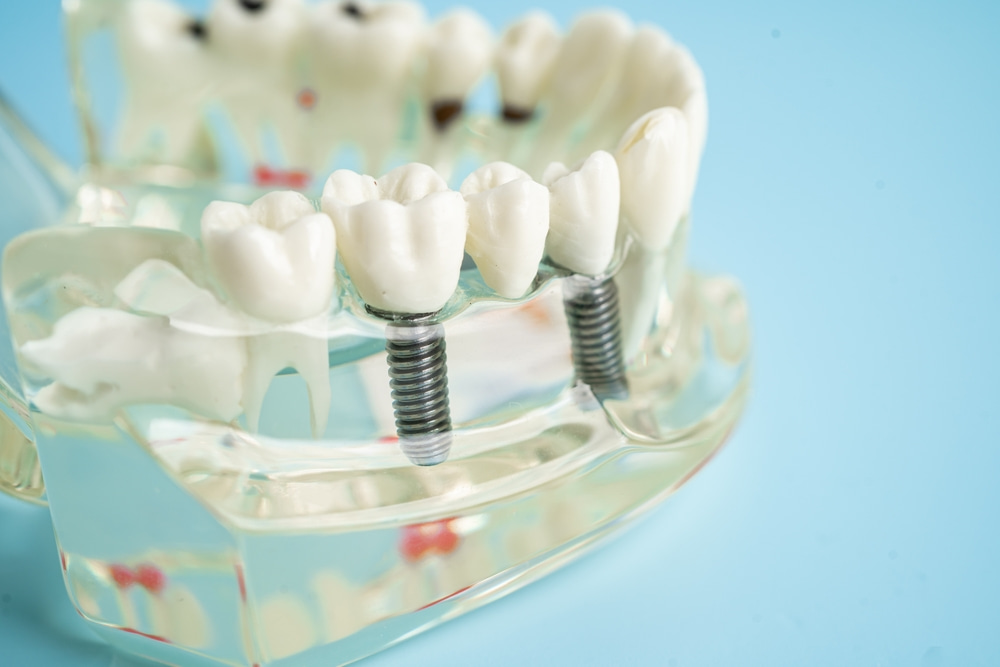
Modern dental implants have revolutionized the way we approach tooth replacement. Thanks to modern advancements in implant dentistry, dental implants are now a reliable and long-lasting solution to missing teeth. At the heart of every successful implant is a biological process called osseointegration. You may have heard your dentist mention this term during a consultation, but what does it actually mean, and why is it so essential to the success of your All-on-4 implants in Vista, CA?
Osseointegration is the process by which a dental implant fuses with the bone in your jaw, becoming a permanent part of your mouth. Without osseointegration, dental implants wouldn’t have the stability needed to function like natural teeth. Understanding how this process works, how long osseointegration takes, and what signs to look for during healing can help you feel more confident if you’re considering dental implants.
Let’s break it down.
What is osseointegration in dentistry?
Simply put, osseointegration is when your dental implant bonds directly with your jawbone. When a dental implant is placed, it acts as an artificial tooth root. The implant, usually made of titanium or sometimes ceramic, is surgically inserted into the jawbone. From there, your body begins a natural healing process. Bone cells gradually grow and attach to the surface of the implant, locking it into place. This creates a firm and secure attachment, effectively integrating the implant into the bone structure.
Osseointegration is a fundamental process that makes implants work like real teeth. It’s the reason you can chew confidently and speak comfortably without worrying about movement. Osseointegration makes sure your implant can support a crown, bridge, or denture so it functions just like a natural tooth. Without proper integration, the implant would remain loose or unstable. That’s why dentists often describe it as the key to implant success.
Titanium is the material of choice for most implants because it’s highly compatible with the human body. It doesn’t trigger rejection, and it actually encourages the surrounding bone to grow around it. This is what creates that secure, long-term foundation.
How long does it take for dental implants to osseointegrate?
One of the most common questions patients have about dental implants is how long osseointegration takes. The truth is that the timeline can vary depending on several factors, such as the location of the implant, the individual’s bone quality, and overall health. That said, on average, osseointegration takes between 3 and 6 months. In some cases, it may take even longer, especially for patients with poor bone density or those undergoing bone grafting before the implant placement.
The process begins right after the implant is placed into the jawbone. Immediately following the procedure, the implant begins to integrate with the bone through a process called “primary stability.” This refers to the initial mechanical hold between the implant and the surrounding bone. Over the following weeks and months, that stability becomes biological. Your bone tissue continues to grow and fuse with the implant surface, strengthening the bond.
The length of time required for osseointegration can be influenced by factors such as the location of the implant. Implants placed in the upper jaw may take longer to integrate because the bone is typically softer than in the lower jaw. Additionally, patients with sufficient bone density may experience faster osseointegration compared to those with weakened or thinning bone. If bone grafts are needed before the implant placement, it can also extend the healing time. Lifestyle factors matter too. Smoking, uncontrolled diabetes, or poor oral hygiene can slow healing and affect integration.
While it can feel like a long wait, this phase is critical. Rushing the process could compromise the stability and longevity of the implant. Most dentists prefer to allow full integration before attaching the final crown to ensure long-term stability. During this healing period, patients are given temporary restorations to maintain the appearance and functionality of their teeth until the implant is fully integrated.
How do I know if my implant is osseointegrated?
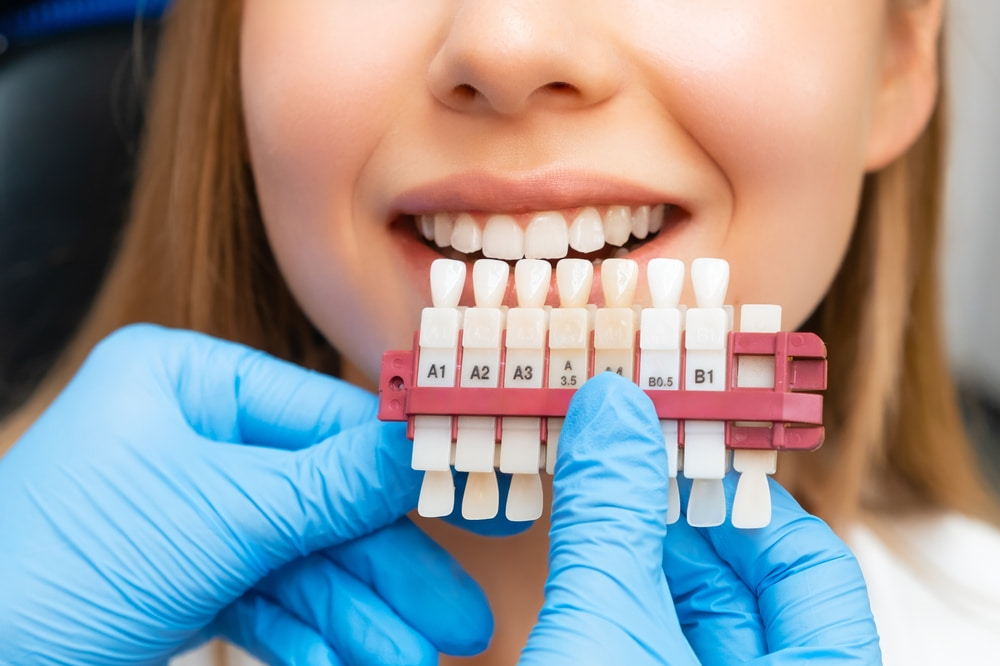
After months of healing, it’s natural to wonder whether everything has fused properly. The most reliable way to confirm full osseointegration is through a follow-up visit with your dentist. X-rays allow them to evaluate how well the bone has bonded to the implant and whether there are any signs of bone loss or complications.
In addition to X-rays, here are some signs of poor osseointegration you might notice yourself. These include:
Stability of the implant
An implant that has successfully integrated should feel firm and stable in the mouth. It should not move, wiggle, or shift under pressure. If you feel any mobility, that’s something your dentist needs to evaluate.
No pain or discomfort
Mild discomfort and swelling are normal right after the implant surgery. However, once healing progresses, you shouldn’t experience ongoing pain around the implant site. Persistent tenderness or throbbing can indicate a problem.
Normal biting & chewing function
A successful implant will allow you to bite and chew with ease. If you notice discomfort, pressure, or instability when biting down, this could be a sign of insufficient osseointegration.
Healthy gums
Healthy gums are a good indicator that the implant is osseointegrated. If your gum tissue looks pink, firm, and free from swelling or discharge, it usually means the area is healing well. On the other hand, redness, bleeding, swelling, or infection around the implant site are all warning signs of poor osseointegration that should be addressed quickly.
Ultimately, the best way to confirm whether your implant has fully integrated is through your dentist’s examination. Regular check-ups and X-rays are essential in monitoring bone levels, gum health, and overall implant stability to ensure everything remains on track and address any potential complications early.
Who should I turn to for natural-looking All-on-4 implants in Vista, CA?
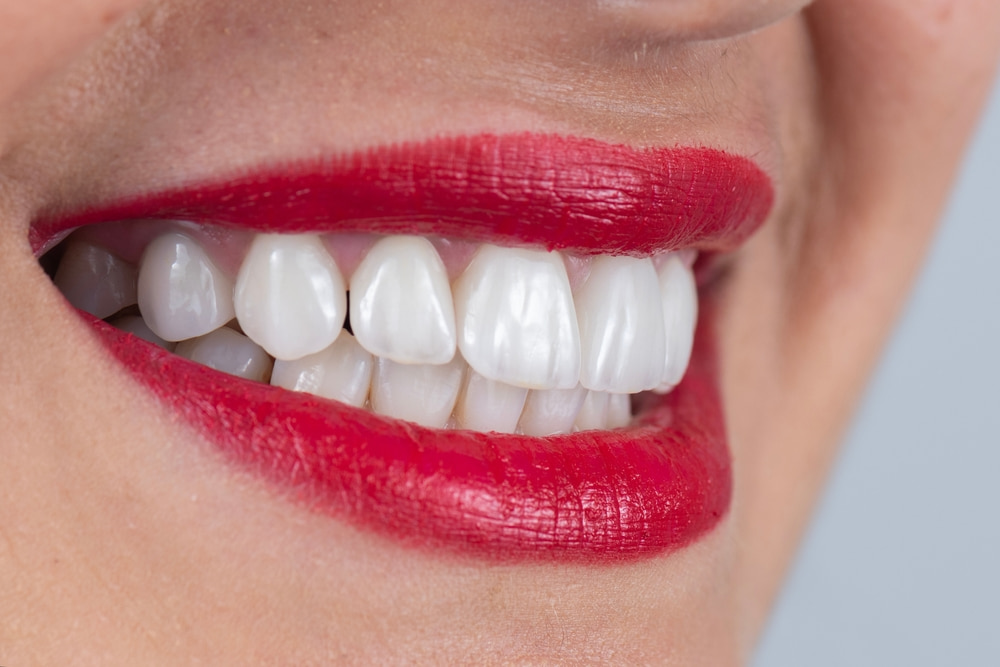
If you’re considering a natural-looking, long-term fix for missing teeth, Temecula Center for Dental Implants is your go-to specialist in biocompatible solutions. Through a free initial consultation that helps patients make the right choices, we outline the main benefits of implants compared to snap-in dentures, confirm you are the right candidate for this dental procedure, and explain the ins and outs of the process.
Whether you’re located near the Moonlight Amphitheatre, on the outskirts of town, or anywhere else in the neighboring areas, we can restore your confidence, comfort, and the ability to smile, eat, and speak without hesitation. It’s time to elevate your quality of life. Schedule your appointment today!