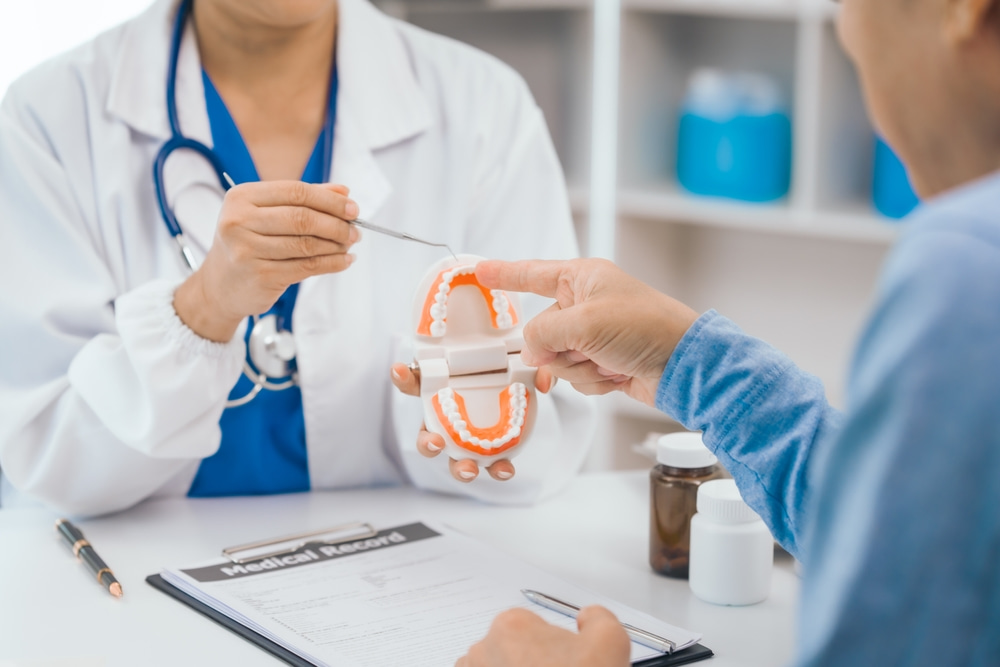
Losing teeth can affect much more than your smile. It can change the way you eat, speak, and feel about your appearance. For many patients, dental implants offer a lasting solution that feels more stable and natural than removable dentures or bridges. But not all implants are the same. If you have been told you may not have enough jawbone for conventional implants, you may also hear that you can look into your options for a subperiosteal implant in Temecula.
While the name is not the easiest to pronounce and can sound confusing at first, this treatment is designed to replace missing teeth and restore confidence to people suffering from a deteriorated jawbone.
The real difference between subperiosteal and traditional implants is down to where they are placed, how much bone support is needed, and which patients may benefit most from each approach. Understanding these distinctions can help you feel more informed when discussing treatment with an oral surgeon or implant dentist. Below, we will break down how subperiosteal implants compare with traditional implants, including their design, benefits, limitations, and when each may be recommended.
What are traditional dental implants?
Traditional dental implants are the type most people think of when they hear the word “implant.” These implants are typically made of titanium and are placed directly into the jawbone. Over time, the implant fuses with the surrounding bone through a process called osseointegration. This bond helps create a strong foundation for a dental crown, bridge, or implant-supported denture.
Because traditional implants rely on the jawbone for stability, patients need enough healthy bone volume and density to support placement. If bone loss has occurred after tooth loss, some patients may need a bone graft or sinus lift before treatment can move forward.
What is a subperiosteal implant?
Subperiosteal implants are different in both design and placement. Instead of being inserted into the jawbone, they are placed on top of the bone but underneath the gum tissue. A custom metal framework rests over the jawbone, and posts extend through the gums to support a restoration.
This treatment is generally considered for patients who do not have enough bone height or width for traditional implants and may not be ideal candidates for bone grafting procedures. In many cases, subperiosteal implants are used when significant bone loss has already taken place, especially in the upper or lower jaw, where standard implant placement may be difficult.
Because they sit above the bone rather than inside it, subperiosteal implants offer an alternative for select cases that might otherwise seem too complex for implant rehabilitation.
The main difference: Placement in relation to the bone
The most important difference between these two options is simple:
- Traditional implants are embedded into the jawbone.
- Subperiosteal implants rest on the jawbone, beneath the gum.
That difference affects nearly every part of treatment, from planning to healing to candidacy. Traditional implants depend on strong bone integration for long-term support. Subperiosteal implants depend more on their custom dental implant framework and precise adaptation to the shape of the jaw.
This means the choice is not usually about which implant is “better” in a general sense. It is about which one is more appropriate for the patient’s anatomy, oral health, and treatment goals.
Who may benefit from a subperiosteal implant? 
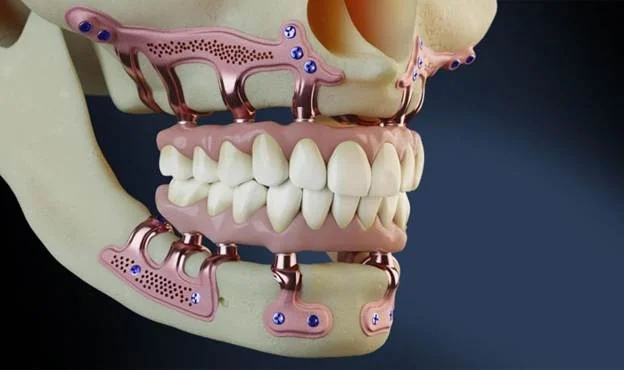
Subperiosteal implants may be appropriate for patients who:
- Have experienced advanced jawbone deterioration
- Are not good candidates for bone grafting procedures
- Want an implant-supported restoration but lack sufficient bone for conventional implants
- Need an alternative to removable dentures
This option can be especially meaningful for patients who have been told in the past that they are not candidates for implants. In some situations, subperiosteal implants can make fixed tooth replacement possible without the additional surgical steps needed to rebuild the jawbone.
Differences in treatment planning
Traditional implant planning focuses heavily on the quantity and quality of available bone. Digital scans, X-rays, and clinical evaluation help determine where implants can be placed safely and effectively.
Subperiosteal implant planning is even more customized. Since the implant framework must fit the contours of the patient’s jaw, the design process is highly precise. Modern imaging and digital technology help create a custom dental implant framework tailored to the patient’s anatomy.
This level of customization can be a major advantage in complex cases, but it also means treatment requires a team with the right experience with advanced implant technologies and dental implant surgery.
Healing & recovery
Healing can look different between the two approaches.
With traditional implants, healing often includes a waiting period for osseointegration. This step is important because the implant needs time to fuse with the bone before final restoration. In some cases, temporary restorations may be worn during this period.
Subperiosteal implants do not depend on the same type of bone fusion because they are not placed within the bone. However, the gums and surrounding tissues still need time to heal properly around the framework and posts. Recovery will depend on the extent of surgery, the number of teeth being replaced, and the patient’s overall health.
In either case, following post-operative instructions is essential. Good healing depends on proper oral hygiene, dietary guidance, follow-up care, and avoiding habits that can interfere with recovery.
Long-term function & stability
Traditional implants are known for providing excellent long-term stability when placed in healthy bone and maintained properly. Because they integrate with the jaw, they can feel very secure and function much like natural tooth roots.
Subperiosteal implants can also provide stability and improved function, especially for patients with severe bone loss who have limited alternatives. They may support chewing efficiency, improve comfort, and reduce the movement often associated with removable appliances.
Still, long-term success depends on many factors, including surgical precision, restoration design, oral hygiene, and regular dental care. Neither option is maintenance-free. Patients need ongoing professional monitoring to protect the health of the gums, supporting tissues, and restoration components.
Who can I contact for a long-lasting subperiosteal implant in Temecula, CA?
 No matter where you’re located in the Inland Empire, Temecula Center for Dental Implants is here to help you feel confident and comfortable every time you sit to enjoy a meal or spend time with your friends and loved ones. With a reputation for putting patients’ long-term wellbeing first, we provide natural-looking, biocompatible dental solutions for people battling with a diverse range of dental conditions.
Whether you want to enquire about the basics of subperiosteal implants, want to check if you’re a suitable candidate for the treatment, or you just have questions concerning post-surgical recovery, don’t hesitate to come to us with all your doubts and anxieties, and we’ll slowly go over them one by one.
Even if someone told you there is nothing you can do to improve your oral health, let true professionals in oral surgery and prosthetic solutions give you an informed opinion. Don’t lose hope—schedule your visit today!