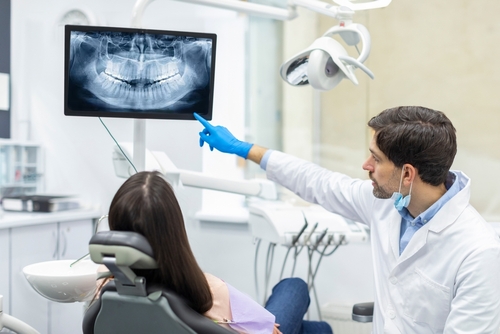
Traveling with Dental Implants: What Should I Know?

08/04/2025

If you’ve recently received dental implants in Mira Mesa or are planning to get them, you may have concerns about how they might impact your travel plans. Traveling is generally an enjoyable and exciting experience, but questions regarding this can sometimes create unnecessary anxiety. Let’s take a look at some comprehensive insights and practical travel tips for dental implant patients, so you can confidently embark on your next journey without worry.

Will my dental implants set off airport security?

Before heading to the airport, many dental implant patients wonder whether their implants could pose an issue during security checks. It’s a fair concern, especially for first-time travelers with implants.

Understandably, no one wants the inconvenience or embarrassment of setting off alarms at a security checkpoint. The good news is that dental implants typically do not trigger metal detectors or body scanners used at airports. Implants are predominantly made of titanium, a metal that doesn’t usually activate standard metal detectors because it is non-ferrous, so there is no need to worry about dental implants and airport security.

Can I fly right after getting dental implants?

Traveling soon after a dental procedure can feel risky, and flying after dental implant surgery is a concern many patients share. Knowing what to expect can help make your journey smoother.

  1. Timing is crucial

One common question among travelers is whether flying after dental implant surgery is safe. Generally, dentists recommend waiting at least 48-72 hours post-procedure before flying. This recommendation is not due to significant medical risks but primarily related to managing comfort and swelling. The changes in cabin pressure during a flight can exacerbate post-surgical swelling, discomfort, and minor bleeding.

  1. Essential post-implant travel precautions

If travel immediately after your dental implant procedure is unavoidable, discuss your plans with your dentist. They can suggest appropriate post-implant travel precautions to enhance your comfort. Such measures might include prescribing specific pain relief medications, anti-inflammatory drugs, or suggesting practical methods for managing potential swelling or discomfort during the flight.

Packing ice packs or other cold compresses can help reduce swelling effectively and make your journey more comfortable. You also need to make sure you have enough water and soft foods during your flight for a smooth travel experience and recovery period.
Can I fly right after getting dental implants

How do I take care of my implants while traveling?

Good oral hygiene is crucial at all times, but it becomes even more important when you’re away from your regular routine. Caring for dental implants on vacation requires foresight and consistency.

1. Preparation matters

Dental implant maintenance while traveling mirrors the oral hygiene practices you follow at home, but requires thoughtful planning. Proper packing is essential, so ensure you bring a soft-bristle toothbrush, dental floss or interdental brushes, antiseptic mouthwash, and any specific products your dentist has recommended for implant care.

Furthermore, consider packing these items in your carry-on luggage for convenient access during long flights or layovers. This ensures you can maintain good oral hygiene throughout your trip, significantly reducing the risk of infection or complications with your implants.

2. Maintaining hydration and dietary precautions

Eating and drinking well during travel can impact your oral health more than you might realize. Staying well-hydrated is a crucial part of caring for dental implants on vacation. Dehydration can negatively impact oral health and exacerbate irritation around the implant area. Carrying a refillable water bottle and drinking water regularly during your journey can help maintain optimal hydration levels and overall oral health.

Dietary choices also play a significant role in dental implant maintenance while traveling. Avoid hard, crunchy, sticky, or chewy foods that could damage or dislodge your implants. Preparing ahead by researching dining options and planning meals can prevent accidental implant complications and enhance your travel experience.

Additional travel tips for dental implant patients

A bit of extra planning before your trip can go a long way in ensuring your implants stay in great shape while you travel. These extra measures offer added peace of mind.

1. Schedule a pre-travel dental check-up

Before traveling, schedule a dental visit to ensure your implants are healing correctly and that no immediate concerns could complicate your trip. A quick professional assessment will provide reassurance and allow your dentist to address any minor issues proactively.

2. Prepare a dental emergency kit

Having a small emergency dental kit prepared is another effective step in caring for dental implants on vacation. Include dentist-approved pain relievers, cotton gauze, dental wax (in case of minor irritations), and emergency contact information for dental services at your destination.

3. Locate local dental services

Part of responsible post-implant travel precautions includes identifying reputable dental clinics near your destination in case you need urgent care. Keeping this information handy can provide quick access to professional help, significantly reducing anxiety and ensuring prompt treatment if necessary.

4. Comprehensive travel insurance

Consider obtaining comprehensive travel insurance that covers dental emergencies, including issues related to implants. Knowing you have adequate coverage can ease any potential stress related to unforeseen dental issues abroad.

How do I take care of my implants while travelingWho do I turn to for quality dental implants in Mira Mesa and the surrounding area?

Trust your smile to Dr. Tsvetov, an experienced oral surgeon offering state-of-the-art dental implant care. At our Mira Mesa practice, we use the most advanced tools and technologies to ensure your comfort and long-term success, no matter your genetic background. Whether you’re staying active in sports while getting implants or adjusting to how you speak with your new teeth, we’re here to guide you every step of the way. If you live anywhere in Mira Mesa, close to the University of California, or in any other part of Riverside County, we’re here for you. Ask us about flexible insurance options and start your journey to a healthier smile today!
The Role of Genetics in Dental Implant Success

08/04/2025

When considering dental implants, many factors come into play, from your overall oral health to the skills of your dental professional. Recently, however, a lesser-known aspect has drawn attention: genetics. As surprising as it may seem, genetic factors can play a significant role in the success or failure of dental implants.

If you asked any dental implant specialist in Mira Mesa, they’d tell you that understanding how your genetics influence dental implant success can significantly improve treatment outcomes. Let’s dive deeper into the relationship between genetics and dental implant outcomes and explain common concerns like bone loss, healing issues, and implant failures.

Can my genes affect how well dental implants work?

Your genetic makeup can indeed influence how effectively dental implants integrate and heal. Genetic factors affecting dental implants primarily relate to your body’s healing response and bone density, both crucial components for implant stability.

1. DNA and dental implant healing

DNA and dental implant healing are interconnected since genetic markers can determine how quickly and effectively your body regenerates tissues after surgery. Some individuals naturally possess superior bone healing capabilities due to genetic predispositions, leading to quicker and stronger implant integration. Conversely, those with slower healing genetics may experience longer recovery times, requiring more vigilant post-operative care and monitoring.

Research has identified certain genetic markers associated with collagen production, essential for bone strength and tissue repair. Variations in these markers can directly influence how quickly the jawbone integrates with the dental implant. This genetic insight is crucial for dental professionals to predict patient outcomes accurately and provide customized recovery strategies.

2. Genetic inflammatory responses

Your genes play a vital role in inflammatory responses, potentially impacting gum health and overall oral hygiene. Genetic predispositions toward inflammation can negatively affect the healing process and stability of dental implants. Individuals genetically prone to chronic inflammation may face additional challenges in maintaining implant stability, which shows how important personalized treatment plans are.

Additionally, studies have shown that genetic markers can influence your susceptibility to infections, another critical factor in implant success. Those genetically prone to higher inflammatory responses may require proactive preventive measures, such as specialized dental hygiene routines, targeted medications, or dietary changes, to minimize inflammation-related implant complications.

dental implant specialist mira mesa​

Is dental implant failure linked to genetics?

While implant failure due to genetics isn’t extremely common, it does happen. Genetic conditions, either directly or indirectly, affect oral health and consequently influence dental implant outcomes.

1. Family history of gum disease and implants

Individuals with a family history of gum disease and implants might experience heightened risks. Genetic susceptibility to gum disease increases inflammation around implants, potentially causing implant complications or failures. Preventive dental care routines are crucial for these individuals to mitigate potential risks effectively.

Research shows a significant correlation between genetics and gum disease severity. Specific genetic markers predispose individuals to heightened gum sensitivity, increased plaque buildup, and higher rates of periodontal disease. Regular dental check-ups, professional cleanings, and personalized oral hygiene practices become essential to counteract these genetic influences and maintain healthy implants.

2. Osteoporosis and dental implant success

Osteoporosis, characterized by diminished bone density, significantly reduces the jawbone’s ability to support implants securely. Those with genetic predispositions to osteoporosis should undergo thorough assessments, including bone density scans, before implant placement. Early identification allows dentists to implement specialized interventions to ensure better implant stability and reduce failure risks.

Patients with genetic markers for osteoporosis might require additional bone-strengthening treatments before dental implant surgery. These treatments may include dietary modifications, calcium and vitamin D supplementation, or medications specifically formulated to improve bone density. Incorporating these strategies significantly improves the likelihood of successful dental implant integration and longevity, despite hereditary risks.

Should I worry about bone loss if it runs in my family?

Hereditary bone loss and dental implants are valid concerns because genetic predispositions to bone diseases significantly affect implant outcomes. Osteoporosis decreases bone density, weakening the jawbone’s capacity to secure implants effectively.

1. Diagnostic measures for hereditary bone loss

Your dentist may recommend diagnostic tools, such as bone density scans, to accurately assess your suitability for implants if hereditary bone loss is known in your family. These scans enable the identification of bone density issues before implant placement, ensuring tailored interventions are provided to strengthen your jawbone.

Advanced diagnostic procedures, such as computed tomography (CT) scans, provide precise insights into bone structure and density. These technologies help dentists develop comprehensive treatment plans tailored to each patient’s genetic profile, ensuring optimal preparation and minimizing the risk of implant failure due to bone insufficiency.

2. Personalized dental care plans

Preventive measures could include dietary adjustments, calcium supplements, or medications specifically aimed at boosting bone density. Early identification and tailored dental care plans are critical in ensuring successful outcomes for patients concerned with hereditary bone loss and dental implants.

Personalized dental care often extends beyond clinical measures, including lifestyle counseling, nutrition guidance, and regular monitoring. For instance, dental professionals might advise incorporating weight-bearing exercises known to improve bone density or recommend avoiding habits that could accelerate bone loss, such as smoking or excessive alcohol consumption. These personalized strategies significantly enhance dental implant success, even in patients genetically predisposed to bone health challenges.

genetic factors affecting dental implantsHow do I find a reliable dental implant specialist in Mira Mesa and the surrounding area?

With years of experience and the latest in diagnostic and surgical technology, Dr. Tsvetov at Temecula Center for Dental Implants provides personalized implant solutions that last. Our office is fully equipped to support your dental goals. We offer detailed consultations, comprehensive aftercare, and reasonable pricing to fit your needs. Let us help you protect your smile wherever life takes you, Let us help you protect your smile wherever life takes you — whether you’re an athlete with an active lifestyle, preparing to travel soon after you get your implants, or simply want to feel confident speaking clearly again. If you live close to the Mira Mesa Recreation Center, you’ll be at the office in no time. Schedule your visit today!