Dental Implants for Athletes: What You Need to Know

09/03/2025

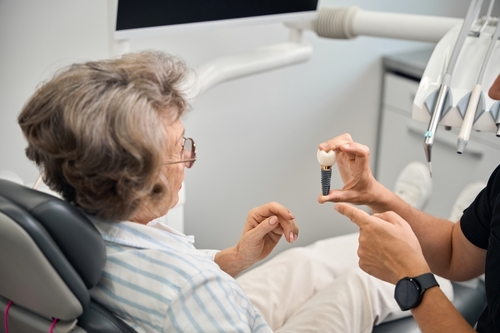
Athletes dedicate countless hours to training and competition, and oral health plays a larger role in performance than many realize. If you are looking for dentist specialists in Mira Mesa, you may be exploring options that help you stay healthy and confident without disrupting your sport. Dental implants can restore function and appearance after tooth loss, but athletes often wonder how they fit into an active lifestyle. The truth is that with good planning and proper protection, you can compete and train while keeping your implants safe.

Can I play sports with dental implants?

Resuming physical activity after implant surgery is possible, but the timing and precautions depend on the stage of healing and the type of sport. Understanding how to balance recovery with training is key to long-term success and sports safety with dental implants.Do I need to protect my implants if I play contact sports
1. Getting back to activity

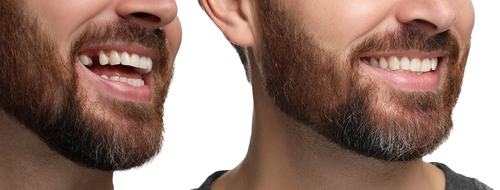
In the first few weeks after implant placement, your body is focused on healing and fusing bone to the implant. During this stage, stick to light, low-impact activities such as walking or cycling. Avoid anything that risks contact with your mouth or intense exertion that could slow recovery. Once your dentist clears you, you can gradually add intensity, keeping in mind that dental implants and physical activity must progress together at a steady pace.

2. Adjusting your training routine

When you’re cleared to return to sport, consider the small changes that protect your implants day to day. Be mindful of clenching during heavy lifts or sprints since that pressure can travel through your bite. Work on relaxing your jaw and using controlled breathing during tough sessions. If your sport carries collision risk, this is the time to introduce mouthguards for dental implants that are fitted to your bite and can handle the specific demands of your training.

Do I need to protect my implants if I play contact sports?

Just as helmets and pads reduce the chance of injury, guards safeguard your implants when accidental hits occur. For athletes who rely on implants for active lifestyles, protection is an essential part of gear planning.

1. Picking the right mouthguard

Not all mouthguards are the same. A custom guard made by your dentist is far more reliable than one bought off the shelf. Custom guards stay in place even when you breathe hard or talk during a game. A layered design is best for contact sports and tooth implants since it spreads out impact forces and reduces the risk of damage to the crown or implant below.

2. Caring for your guard

A mouthguard can only do its job if it is clean and well-maintained. Rinse it after use, let it dry fully, and store it in a ventilated case. Replace it if it becomes loose, thin, or develops grooves from biting. Regular dental checkups are the perfect time to have your guard inspected. Consistent care ensures you are protecting dental implants during exercise rather than relying on gear that no longer fits well.

3. Adapting to your sport

Different sports place different stresses on implants. In basketball or soccer, collisions are usually unintentional but frequent enough that a guard is smart insurance. In sports like rugby, hockey, or martial arts, the risk is direct and constant, so guard quality becomes even more critical. Staying ahead of gear wear and checking fit before competition keeps you aligned with sports safety with dental implants through long seasons.

Are implants strong enough for active people?

Modern implants are built to last. They are designed to withstand chewing forces, which means they can handle athletic activity as well. The key is understanding how to support that strength with smart habits, especially when contact sports and tooth implants are part of your life.

1. Materials and design

Implants are usually made from titanium or titanium alloys, which are highly durable and bond well with bone. The crowns can be ceramic or zirconia, chosen for strength and natural appearance. Dentists also check how your bite comes together to spread pressure evenly, so no single point carries too much force. This careful setup ensures dental implants and physical activity can go hand in hand without unnecessary stress on the implant.

2. Long term use and training

Think of your implant like specialized sports equipment. It works best when cared for and checked regularly. Nighttime grinding or clenching can create constant strain, so a night guard may be recommended for protection. During practice or gym sessions, keeping your sports guard handy helps in case drills shift into contact unexpectedly. Consistent attention helps mouthguards for dental implants remain part of your training system year-round.

3. Supporting bone and gum health

Your implant depends on strong bone and healthy gums. A balanced diet with protein, calcium, and vitamin D supports both. Staying hydrated helps reduce dry mouth, which can irritate tissue and increase the risk of gum issues. If you use gels or sports drinks during workouts, rinse with water afterward. This attention to everyday choices shows how implants for active lifestyles thrive when nutrition and hydration are treated as part of training.

4. Managing bite force in competition

Athletes often clench their jaws under pressure without realizing it. Learning to exhale during lifts and keeping your tongue resting against the roof of your mouth can ease bite force. In contact drills, focus on keeping your jaw slightly open inside the guard so force is absorbed by the guard instead of the implant. These techniques go a long way in protecting dental implants during exercise and help maintain comfort in competition.

Are implants strong enough for active people

How do I find reliable dentist specialists in Mira Mesa and the surrounding area?

Temecula Center for Dental Implants is your go-to place for trusted implant solutions and compassionate care. Dr. Tsvetov, our experienced oral surgeon, has helped countless patients regain both function and comfort. If you are curious about how genetics affect dental implant success, whether dental implants will affect the way you talk, or you want to learn more about traveling with dental implants, we’ve got helpful resources for you. 

Once your treatment is complete, even a simple visit to Mira Mesa High School for a community event will feel brighter when you can smile and speak with ease. Call us now to book your appointment and see how implants can transform your daily life!
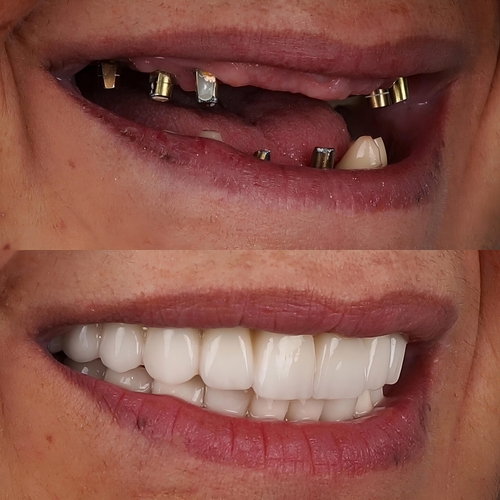
How Dental Implants Can Affect the Way You Talk

09/03/2025

When teeth are missing, the impact extends beyond appearance. Everyday things like eating, smiling, and even speaking can feel different. If you are considering treatment in Mira Mesa and looking for a dental implant specialist, one of your questions may be how implants will affect your speech. The reality is that dental implants are built to restore natural function. While there is a short period of adjustment, most people find that their ability to speak not only returns but often improves compared to before.

Will dental implants change how I speak?

It is common to notice subtle differences in speech right after implant surgery. These changes are usually temporary, and with time your tongue and lips adapt. Knowing what to expect makes it easier to understand the process of speech changes after dental implants.Will dental implants change how I speak

1. Early adjustments

In the first few days or weeks, your tongue may need to learn the feel of the new teeth. Sounds like “s,” “f,” and “th” can feel awkward at first because they depend on precise tongue placement. These small challenges typically fade as your muscles adjust. Most patients report steady improvement over two to four weeks, showing that adjusting to speech with implants is a natural step in the process.

2. Bite alignment and clarity

The way your teeth meet, known as your bite, plays an important role in speech. If the crowns are shaped or positioned slightly differently from your natural teeth, you might notice temporary changes in clarity. Dentists often fine tune crown height or shape to create a smoother path for your tongue. These refinements can make a clear difference in dental implants and pronunciation, helping you regain confidence more quickly.

3. Confidence in conversation

Missing teeth can make people self conscious, leading them to avoid speaking up. Once implants are in place and speech begins to normalize, that hesitation often fades. People find themselves more at ease in both casual conversations and professional settings. This improvement highlights how voice clarity after tooth implants can restore both function and confidence in daily life.

Can implants help me talk more clearly than dentures?

For many patients, implants actually improve speech compared to removable dentures. The difference comes down to how secure they feel, which directly affects talking with dental implants vs dentures.

1. Stability during speech

Removable dentures sometimes slip or move when talking, especially bottom dentures that rely on suction rather than a fixed anchor. Even slight movement can make words sound less sharp. Dental implants are anchored directly into the jawbone, which means they stay in place at all times. That stability makes a noticeable difference for people who have struggled with denture movement.

2. Airflow and sound formation

Clear speech depends on predictable airflow through the mouth. When dentures shift, the tongue has to constantly adjust, which can blur sounds. With implants, the teeth remain steady, giving your tongue a consistent surface to work against. Many patients notice specific improvements in sounds like “sh,” “ch,” and “t.” This explains why voice clarity after tooth implants is often stronger than what dentures provide.

3. Everyday reliability

Dentures can sometimes cause sore spots or gum irritation, especially after long conversations. That discomfort makes it harder to speak freely or at length. Implants remove this concern since they feel and function like natural teeth. People often describe them as “forgetting they are there,” which shows why implants for many offer not only comfort but also more natural communication in daily life.

How long does it take to get used to talking with implants?

The adjustment period varies, but most patients adapt within a few weeks to a few months. During this time, small habits and consistent practice can speed up speech adaptation after implant surgery.

1. Practicing at home

Simple exercises make a big difference. Reading out loud for ten minutes a day or practicing tongue twisters trains your tongue and lips to work with the new teeth. Singing along to music is another way to practice without pressure. These activities accelerate progress and help with adjusting to speech with implants in a comfortable, low-stress way.

2. Role of dental follow-ups

Follow-up visits are essential, especially if you feel certain words remain tricky. Your dentist can adjust the shape or alignment of the crowns so that your tongue has the right space to move. Even minor refinements can make a noticeable change in dental implants and pronunciation. This shows how ongoing support plays a direct role in your overall comfort.

3. Reaching full adaptation

Most patients report that once healing is complete and permanent crowns are in place, they speak as clearly as they did before tooth loss. In many cases, their speech is actually clearer than it was with dentures or missing teeth. This steady improvement shows that speech changes after dental implants are almost always temporary and give way to long-term clarity.

Extra tips for a smooth transition

While implants naturally integrate into daily speech, there are simple strategies that can help you adjust more quickly. These focus on awareness, practice, and patience.

1. Be patient with progress

It’s normal to notice small slips in the beginning. Give yourself time, knowing that the muscles of your mouth are relearning familiar patterns. Most people notice big strides in the first month, followed by steady fine-tuning. Recognizing that speech adaptation after implant surgery takes time can make the process feel less frustrating.

2. Practice in real situations

The more you use your implants in conversation, the faster you adapt. Engage in regular discussions, take phone calls, and practice speaking in front of a mirror. These real-world moments help solidify the changes more effectively than practice alone. Over time, talking with dental implants vs dentures will feel natural in every setting.

3. Protect overall oral health

Healthy gums and bone support the stability of your implants, which in turn supports clear speech. Good daily hygiene and regular dental visits are important for long-term results. Protecting your implants ensures that voice clarity after tooth implants remains consistent for years to come.

Can implants help me talk more clearly than dentures

Where in Mira Mesa and the vicinity can I find an experienced dental implant specialist?

Temecula Center for Dental Implants is your reliable practice for dental implant care that restores your confidence in every smile. With Dr. Tsvetov, our experienced oral surgeon, you can count on skilled treatment and lasting results. You can also explore how genetics impact implants, whether athletes can get implants or not, or read about flying after getting dental implants for more guidance.

Imagine enjoying a walk with your renewed smile through Hourglass Community Park, knowing your teeth feel strong and natural. Call us today to schedule your consultation and start your journey toward better oral health.