A Guide to Dental Implants for Patients with Autoimmune Conditions

10/06/2025

For patients with chronic health conditions, decisions about dental care often require extra thought. Dental implants can restore confidence, improve function, and replace missing teeth, but they may present unique challenges for those with autoimmune issues. If you are searching for an All-on-4 dental implant specialist in San Marcos, it’s important to understand how your health may influence treatment. 

With the right approach and guidance, many patients with autoimmune conditions can still enjoy successful outcomes of dental implants. The key lies in preparation, ongoing medical coordination, and choosing a provider with the experience to anticipate potential complications before they arise.

Can I still get dental implants if I have an autoimmune disease?

Having an autoimmune disorder does not automatically rule out dental implants. However, extra steps may be needed to support safe and successful treatment.

1. Evaluating medical history

Your dentist will begin by reviewing your full medical history. Understanding your condition, medications, and past treatments helps determine whether implants are appropriate. Each autoimmune disease interacts differently with healing and bone health. For example, conditions like rheumatoid arthritis may slow recovery, while others like lupus can increase inflammation at the surgical site. A thorough assessment helps ensure your implant plan matches your overall health profile.

2. Collaboration with your physician

Close communication with your medical team is essential. Specialists may need to adjust medications before or after surgery. This teamwork ensures your immune system is managed in a way that reduces complications during recovery. In some cases, your doctor may recommend pausing or altering immunosuppressive medications for a short period to give your body the best chance of healing, always balancing dental needs with systemic health.

3. Customizing the treatment plan

Because no two patients are alike, your treatment plan may be adjusted to suit your condition. This might include choosing implant materials or timing surgery carefully. With thoughtful planning, many patients with autoimmune disease and dental implants achieve long-term success. Even something as simple as scheduling surgery during a stable phase of your condition, rather than during a flare-up, can make a significant difference.

Do autoimmune conditions increase the risk of dental implant failure?

Can I still get dental implants if I have an autoimmune disease?

Autoimmune disorders may raise the chances of complications, but careful management can reduce risks.

1. Healing challenges

Autoimmune conditions can interfere with the body’s ability to heal. Inflammation and reduced immune response make recovery slower. These factors are part of why dental implant failure risk factors are higher in certain patients. That doesn’t mean failure is inevitable, only that your specialist will plan more carefully for your recovery.

2. Medication side effects

Immunosuppressive drugs may help control your condition but also affect bone and gum tissue. These medications can increase vulnerability to infection. For patients undergoing implant surgery, this means closer monitoring is required. Your dentist may schedule extra follow-up visits to ensure tissues are responding well and healing on track.

3. Bone health considerations

Strong bone support is essential for dental implants. Some autoimmune diseases weaken bone density, which may affect stability. Your dentist may recommend bone grafting or other preparatory procedures to strengthen the foundation before surgery. Patients with osteoporosis, for example, may benefit from targeted grafting or guided bone regeneration before moving forward with implants.

4. Monitoring for complications

With proper care, most patients still do well. However, your dental team will keep a close watch for any signs of infection or loosening. Early detection makes it possible to correct issues before they threaten implant success. Proactive monitoring is often the difference between a short-term setback and long-term success.

How can I make sure my dental implants heal properly with an autoimmune disorder?

Success depends on careful preparation, consistent follow-up, and good daily habits at home.

1. Strict oral hygiene routines

Brushing, flossing, and rinsing are essential to protect the surgical site. Patients with autoimmune disorders need to be extra vigilant about plaque control. A clean environment lowers the chance of infection and helps implants integrate. Your dentist may recommend special antimicrobial rinses or customized oral hygiene instructions to further lower risks.

2. Balanced lifestyle choices

Healthy eating, adequate sleep, and stress management all support healing. Quitting smoking is especially important, since it reduces blood flow and slows recovery. These habits improve your body’s ability to handle immunosuppression and implant healing. Think of healing as a team effort – your lifestyle choices support your body while your dental team manages the surgical side.

3. Follow-up visits

Attending all scheduled checkups gives your dentist a chance to track progress. They can confirm that osseointegration and autoimmune disorders are not interfering with healing. Consistent monitoring ensures small issues are corrected quickly. These visits also give you the chance to share concerns, such as unusual discomfort, that might signal early complications.

4. Material options and allergies

Some patients worry about metal sensitivity. A titanium allergy dental implant is rare, but alternatives like zirconia are available. Your specialist can test for sensitivities and choose the safest material for your situation. This personalized approach ensures you receive a solution that is both medically safe and functionally strong.

How do I find a reliable All-on-4 dental implant specialist in San Marcos and the surrounding area?

Do autoimmune conditions increase the risk of dental implant failure?

Temecula Dental is your go-to place for comprehensive implant care tailored to your individual health needs. Dr. Tsvetov, our experienced oral surgeon, has worked with many patients managing autoimmune conditions and knows how to guide them toward successful outcomes. If you are curious about related topics, we can explain how dental implants support the natural teeth around them, why it pays to think twice about choosing cheap dental implants over long-term quality, and even how stress can influence your dental implant recovery

While we take care of your smile, you can enjoy a peaceful afternoon at Double Peak Park in San Marcos, knowing your health and comfort are our top priorities. Call us today to schedule your consultation.
How Dental Implants Support Adjacent Natural Teeth

10/06/2025

Dental implants are best known for filling a gap, but their benefits reach further into the health of nearby teeth and bone. They stabilize the bite, help maintain facial structure, and make everyday care easier. If you are weighing options for All-on-4 dentures in San Marcos, it helps to understand how implants interact with surrounding teeth before you choose a plan. With the right diagnosis and careful planning, implants can protect the smile you have while replacing the one you lost.

How do dental implants affect the teeth next to them?

How do dental implants affect the teeth next to them?

Implants change the surrounding area around a missing tooth in ways that matter day to day. The right placement supports comfort, chewing efficiency, and long-term stability.

1. Preserving alignment and bite stability

When a tooth is missing, the surrounding teeth drift into the empty space. That movement throws off the bite and can make cleaning harder. When this space is filled, dental implants and adjacent teeth stay where they belong and the bite remains balanced. Patients notice fewer food traps and less wear on the teeth that used to carry an extra load.

2. Sharing chewing forces

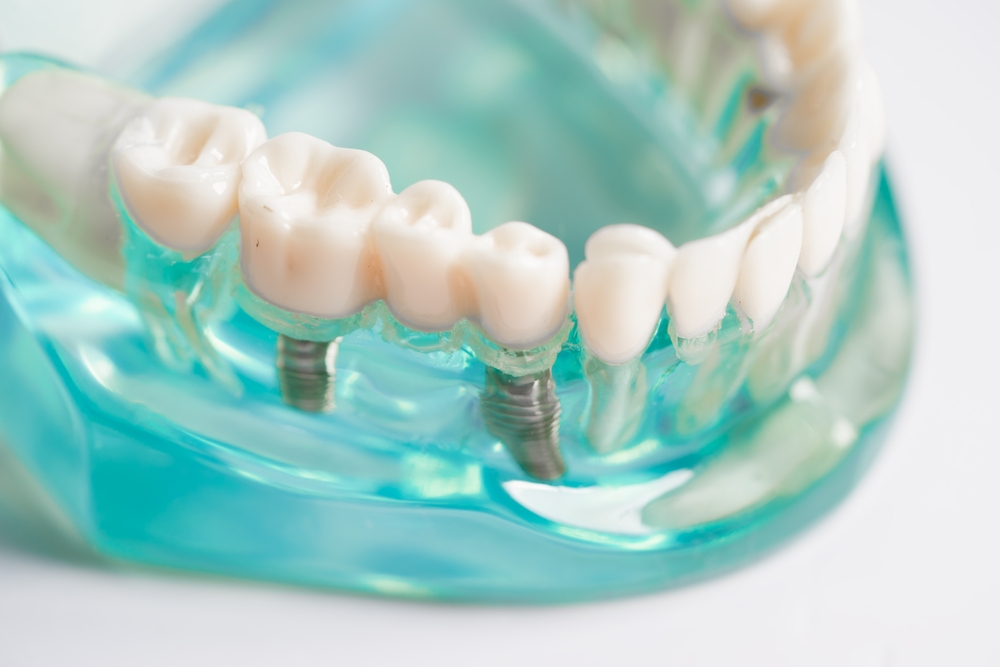
A natural tooth transfers force through its root; an implant does the same through its titanium post. That load sharing protects the teeth nearby from overuse. The impact of dental implants on surrounding teeth is often positive because force spreads more evenly during chewing. Even distribution helps prevent cracks, craze lines, and premature enamel wear.

3. Guarding against bone loss

Bone weakens when it no longer receives stimulation from a tooth root. An implant replaces that stimulus and signals the jaw to maintain density. Strong bone supports the neighboring roots and keeps them steady. Over time, that support helps the entire segment of the arch hold its shape.

4. Supporting gum health and hygiene access

Crowding around a gap can create tight angles and shadowed pockets that trap plaque. A well-positioned implant crown restores normal spacing and contour. That improvement makes flossing and brushing more effective for a single tooth implant and neighboring teeth. Healthier gums around the site often mean healthier gums next door as well.

Can one dental implant support two teeth?

In select cases, one implant replaces more than one tooth by anchoring a small bridge. This option depends on anatomy, bite forces, and bone quality.

1. When a two-unit bridge makes sense

If two adjacent teeth are missing in a short span, a single implant can sometimes anchor a two-tooth bridge. Dentists evaluate bite forces, span length, and opposing contacts before recommending it. Patients often ask, can one implant support two teeth, and the answer is yes for carefully chosen cases. The goal is to restore strength without asking one post to do the work of many.

2. Anatomy and bone considerations

Success starts with solid bone around the implant. Your dentist studies three-dimensional scans to confirm width, height, and density. If the site looks thin or fragile, bone grafting may come first. These steps protect the bridge and also reduce the negative impact of dental implants on surrounding teeth over time.

3. Pros and tradeoffs

A one-implant bridge reduces surgeries and can lower costs. Fewer surgical sites also mean a simpler recovery. The tradeoff is higher demand on a single support, so precision in planning and placement matters. Follow-up visits confirm that the post and the bridge continue to handle daily pressure well.

4. When two implants are the safer call

Large gaps, heavy bite forces, or a deep overbite may overload a single post. Two implants spread the work and lower the risk of complications. This choice often protects a single tooth implant and neighboring teeth from stress they were never designed to carry. Your dentist will explain why one plan or the other suits your mouth best.

Is it safe to connect a dental implant to a natural tooth?

Linking an implant and a tooth under the same bridge is possible in limited situations. It requires careful design because teeth and implants behave differently.

1. Why the connection is complex

Natural teeth move slightly in their ligament; implants do not. If they are tied together, the rigid tooth can tug on the flexible one. That mismatch raises the risk of loosened cement, fractured porcelain, or sensitivity in the tooth.

2. When a connection may be considered

A connecting natural teeth to implants bridge sometimes enters the plan when space is tight or the bone cannot support another post. The dentist reduces bite forces, uses precise connectors, and schedules close monitoring. Even then, this path is chosen only when separate supports are not realistic and the benefits outweigh the risks. Patients should understand every detail before agreeing.

3. Risks you should understand

Uneven force can fatigue the implant screw or stress the natural root. The tooth may drift slightly and the implant will not follow, which changes the way the bridge fits. These concerns affect dental implants and adjacent teeth on both sides of the connection. Separate crowns on separate supports avoid most of these issues.

4. Better alternatives to consider

Modern imaging and guided surgery often make an additional dental implant possible where it once was not. Orthodontic alignment, minor grafting, or a redesigned span can also remove the need for a mixed connection. If you were told a connecting natural teeth to implants bridge is your only option, a second opinion may open safer choices. The right plan protects the long-term health of every tooth in the area.

How do I find durable All-on-4 dentures in San Marcos and the surrounding area?

Can one dental implant support two teeth?

Temecula Center for Dental Implants is your go-to place for full-arch solutions that favor comfort and longevity. Dr. Tsvetov, our experienced oral surgeon, plans each case with careful attention to bite, bone, and facial support so your new smile looks natural and works the way it should. 

If you are researching implants and want to learn more, we can explain what patients with autoimmune conditions should know about their care, why going with bargain options often leads to the hidden costs of cheap dental implants, and even how daily stress can influence recovery after surgery. While we prepare your treatment, you can enjoy a peaceful walk around Discovery Lake in San Marcos and return to a team that treats your smile like it is our own. Call today to schedule a consultation!