All-on-4 Dental Implants: The Most Common Questions Answered

12/02/2025

All-on-4 dental implants have become one of the most popular solutions for replacing an entire arch of teeth because they offer security, comfort, and a natural-looking result without the lengthy, complex process of placing individual implants. Turning to an All-on-4 dentist in San Marcos is a big decision, and most people arrive with a long list of questions. For some, it’s a question of knowing the benefits of the treatment, while for others, it may be related to the All-on-4 dental implants’ lifespan or the cost of the procedure. It’s completely normal that potential patients want to clarify what the treatment involves, as well as the All-on-4 dental implants recovery time. 

Whether someone is weighing their financing options for All-on-4 dental implants or already scheduled for consultation, understanding the basics can make the entire journey more predictable and less stressful. Today’s article answers questions people ask most often and provides insight into what to expect before, during, and after treatment. The goal is to give potential patients the confidence to make informed decisions on what’s best for their long-term oral health.

What questions people ask about All-on-4 dental implants?

With typical questions like, ‘Do All-on-4 implants look natural?’, and numerous queries on the longevity, reliability, and the recovery process, people exploring this treatment usually seek clarity before making a definitive decision. For individuals who’ve struggled with loose or uncomfortable dentures, the most common questions revolve around stability. Potential patients also want to know whether the treatment works with bone loss and whether same-day placement is an option. The cost of treatment is another major topic, which is understandable since All-on-4 implants represent a significant investment, and people want a clear sense of how pricing compares with traditional dentures.

Another important consideration is the experience itself. Many patients want to know what the surgery feels like, how long it takes to recover, and when they will be able to speak, eat, and return to their normal daily functioning. Others want to have a better understanding of the maintenance and oral care required once the implants have healed, and how proper upkeep differs from that of natural teeth.

All in all, people come armed with a lot of questions that all point to the same desire: long-term durability, comfort, and confidence.

How does the All-on-4 process work?

financing options all on 4 dental implants San Marcos

The treatment begins with a full evaluation that often includes 3D digital imaging, review of medical history, and a discussion about the patient’s anxiety and overall treatment goals. Once the dentist confirms candidacy, the next step is treatment planning and scheduling.

Two implants are positioned vertically in front of the arch, where bone density tends to be the strongest, and two are placed at slight angles toward the back. This technique maximizes existing jawbone and often eliminates the need for grafting

Once the implants are placed, a temporary set of teeth is inserted to allow patients to leave the dental clinic with a complete smile. This is one of the biggest advantages of All-on-4: patients don’t have to wait months to have a functioning set of teeth. After the healing period is over, a custom-crafted prosthetic is attached that offers excellent stability and is designed to match the patient’s facial structure and bite for a comfortable, natural feel.

Do All-on-4 implants look and feel natural?

Speaking of natural feel, one of the biggest advantages of All-on-4 is the way the final result mimics the function of real teeth. Because the implants integrate with the jawbone, patients can bite and chew their favorite food with far more stability and confidence than with removable dentures. The custom prosthetic is designed to make All-on-4 implants look natural and complement facial features for a balanced smile that restores patients’ confidence. Patients who once avoided smiling or struggled with speech concerns can leave those worries behind as they adapt to their dental implants.

How long do All-on-4 dental implants last?

With proper care, All-on-4 dental implants lifespan can last for several decades, often a lifetime. The titanium posts fuse with the bone through a process called osseointegration, creating a strong foundation similar to a natural tooth root. In rare cases, the prosthetic teeth may eventually need replacement due to normal wear, but the underlying implants are built for longevity.

It’s important to note that the long-term success of dental implants depends on good oral hygiene and routine maintenance visits. While the teeth attached are robust, the surrounding gum tissues and bone still require attention. Regular cleaning helps keep tissue healthy, and following post-care instructions significantly reduces the risk of complications.

Is the recovery process difficult?

All-on-4 dental implants recovery time usually feels shorter than many patients expect. While mild swelling, tenderness, and pressure are common symptoms in the first few days, they usually subside very quickly. Most people report resuming their normal routine in as little as a week or ten days. Soft-food period can extend to several weeks to protect the implants during the initial healing phase.

The temporary set of teeth placed on the same day helps maintain function and aesthetics throughout recovery. While patients are expected to carefully follow dentists’ guidelines regarding diet and hygiene, the transition tends to be smooth.

Can people with bone loss still get All-on-4 implants?

A major advantage of All-on-4 is that it works for patients with minor to moderate bone loss. Traditional implants often require bone grafting to ensure that the jawbone has enough density for implant placement. The angled placement technique used in All-on-4 supports prosthetics even when bone levels aren’t ideal, allowing many patients to skip grafting entirely. Many patients who weren’t considered eligible for implants will discover that All-on-4 is a viable option for their oral challenges.

How much do All-on-4 dental implants cost?

Pricing depends on the implant quality, materials, and the complexity of each case. That being said, All-on-4 is typically more cost-effective than replacing each missing tooth with individual implants. Because only four implants are needed per arch, patients can save both time and surgical expense, to say nothing of the stress associated with repeated visits to the dentist’s office.

When comparing treatment options and exploring financing options for All-on-4 dental implants, it’s always crucial to consider long-term benefits. All-on-4 provides a stable, permanent, and comfortable solution that reduces the likelihood of costly adjustments and replacements common with traditional dentures.

Which dental clinic provides the best All-on-4 dentist in San Marcos, CA?

best All-on-4 dentist in San Marcos

If you’re located in the city center, San Elijo Hills, or anywhere in the surrounding areas, the Temecula Center for Dental Implants is your top-rated team of maxillofacial surgeons in the area. With years of experience, the latest in dental technologies, and thousands of heartfelt testimonials attesting to our commitment, we specialize in high-quality All-on-4 dental implants. We provide our patients with strong, biocompatible, long-lasting solutions that bring renewed ease and confidence in everyday life situations. 

Our team will help you choose the best treatment and financing option, so you can get everything done efficiently and with less stress. Don’t endanger your long-term wellbeing with risky dental tourism schemes when the leading dentist is operating in your neighborhood. Contact us to schedule your appointment today!

The Perfect Fit: Who Is the Prime Candidate for All-on-4 Dental Implants

12/02/2025

Losing a few or most of your natural teeth can affect far more than your smile. It can change how you eat, how you speak, and how confident you feel in the usual day-to-day interactions. All-on-4 is the best of all options for full arch tooth loss in adults. They were designed for individuals seeking a strong, permanent solution to traditional dentures. With four strategically placed implants that support a full arch of replacement teeth, All-on-4 dental implants in San Marcos offer patients a stable and reliable bite without an implant for every missing tooth.

Replacing missing teeth with All-on-4 implants is a life-changing event for many adults, but unfortunately, it isn’t right for everyone. In today’s post, we look at who is a candidate for All-on-4 implants. We’ll explore the traits, dental conditions, and lifestyle factors that make a person an ideal candidate for this transformative oral procedure.

Who is a good candidate for All-on-4 dental implants?

While a thorough consultation with a maxillofacial surgeon and a comprehensive examination are needed, including 3D scans, to determine if someone is a suitable candidate, there are 3 baseline conditions that all candidates must meet.

What are the common dental conditions that qualify patients for All-on-4 implants

People faced with significant tooth loss or full-arch extractions

A prime candidate is someone who has lost some or all of their teeth or is facing a full-arch extraction treatment due to advanced dental issues. All-on-4 offers stability and function that traditional dentures just can’t match. Patients who struggle with loose dentures, difficulty chewing, or who feel embarrassed by their slipping devices can experience a profound improvement in their everyday functioning.

Patients with good existing jawbone structure

The best candidates also have enough jawbone density to support implants, even if some bone loss has already occurred. One of the biggest advantages of the All-on-4 design lies in its ability to maximize existing bone by strategically placing implants at specific angles to achieve the best results. This means that patients who were once told they weren’t eligible for traditional implants can still qualify.

Individuals with a stable systemic health

Good overall health is an important factor determining who is a candidate for All-on-4 implants. Potential patients should be healthy enough to undergo oral surgery and have no uncontrolled medical conditions that would interfere with the post-surgical healing process. Beyond basic physical health indicators, prospective candidates looking to replace missing teeth with All-on-4 implants must have the willingness and the discipline to follow aftercare guidelines and a commitment to maintaining long-term oral hygiene.

What are the common dental conditions that qualify patients for All-on-4 implants?

Individuals exploring options for full arch tooth loss in adults often share similar dental histories. Many struggle with extensive tooth decay or gum disease that can’t be corrected through restorative treatments alone. Others have teeth that are severely worn due to grinding, acid erosion, or long-term neglect caused by dental anxiety or poor oral hygiene habits. These conditions can conspire to make day-to-day life frustrating and limit what a person can comfortably eat.

One of the clearest markers that someone could benefit from All-on-4 dental implants is full-arch tooth loss or the expectation of needing multiple extractions. Instead of inserting individual implants that require significant bone volume to remain fixed in place, 4 implants can support an entire arch, making treatment much more accessible to a greater number of patients. Strong candidates are individuals who’ve previously struggled with removable dentures due to poor fit, persistent irritation, or difficulty keeping them fixed in place.

In many cases, people experience concerning jawbone loss after years of living without teeth. While in some cases, severe bone loss may require bone grafting before treatment, the All-on-4 technique can often bypass this issue due to its unique implant placement. The All-on-4 approach allows patients with moderate bone loss to avoid additional procedures.

Lifestyle factors that influence treatment eligibility

The lifestyle and daily habits of people interested in replacing missing teeth with All-on-4 implants also play a big role in the long-term success of the procedure. Non-smokers and people willing to quit smoking before surgery typically report better outcomes, since nicotine reduces blood flow and slows healing. Another important factor in achieving long-lasting results is the ability to maintain consistent dental checkups and practice good oral health. Even though teeth supported by implants aren’t natural, it’s crucial to keep the surrounding gum tissue healthy.

As the best options for full arch tooth loss in adults, All-on-4 implants can make life simpler and more convenient for a diverse group of people. Potential patients who value stability and want a permanent, fixed solution often choose All-on-4 implants because they can help them restore confidence in their social and professional lives. Individuals who enjoy a wide variety of foods appreciate the ability to bite and chew more naturally compared to removable dentures. People who travel frequently or have busy daily schedules benefit from minimal upkeep required once the healing process is complete.

To sum it up

The prime candidate for All-on-4 dental implants is an individual seeking a stable, reliable, natural-looking solution to expensive tooth loss. This revolutionary treatment is, in most cases, a lifelong answer to moderate and severe dental damage. People frustrated with removable dentures can experience a profound transformation in their quality of life with All-on-4 dental implants.

Who specializes in high-quality All-on-4 dental implants in San Marcos, CA?

high-quality All-on-4 dental implants in San Marcos

Whether you’re located in Lake San Marcos or some other part of the community, Temecula Center for Dental Implants is the state-of-the-art facility offering proven solutions to people struggling with oral health issues. Our experienced maxillofacial surgeons and caring team will do everything in their power to make your treatment and recovery as smooth and pain-free as possible. 

If you have any questions concerning the All-on-4 implant procedure, the benefits of implants for long-term jawbone health, or the many risks associated with dental tourism, don’t hesitate to turn to our attentive professionals for answers. Good oral health is crucial for your overall wellbeing, so don’t postpone the treatment that can elevate your quality of life. Schedule your appointment today!

Dental Implants for Athletes: What You Need to Know

09/03/2025

Athletes dedicate countless hours to training and competition, and oral health plays a larger role in performance than many realize. If you are looking for dentist specialists in Mira Mesa, you may be exploring options that help you stay healthy and confident without disrupting your sport. Dental implants can restore function and appearance after tooth loss, but athletes often wonder how they fit into an active lifestyle. The truth is that with good planning and proper protection, you can compete and train while keeping your implants safe.

Can I play sports with dental implants?

Resuming physical activity after implant surgery is possible, but the timing and precautions depend on the stage of healing and the type of sport. Understanding how to balance recovery with training is key to long-term success and sports safety with dental implants.Do I need to protect my implants if I play contact sports
1. Getting back to activity

In the first few weeks after implant placement, your body is focused on healing and fusing bone to the implant. During this stage, stick to light, low-impact activities such as walking or cycling. Avoid anything that risks contact with your mouth or intense exertion that could slow recovery. Once your dentist clears you, you can gradually add intensity, keeping in mind that dental implants and physical activity must progress together at a steady pace.

2. Adjusting your training routine

When you’re cleared to return to sport, consider the small changes that protect your implants day to day. Be mindful of clenching during heavy lifts or sprints since that pressure can travel through your bite. Work on relaxing your jaw and using controlled breathing during tough sessions. If your sport carries collision risk, this is the time to introduce mouthguards for dental implants that are fitted to your bite and can handle the specific demands of your training.

Do I need to protect my implants if I play contact sports?

Just as helmets and pads reduce the chance of injury, guards safeguard your implants when accidental hits occur. For athletes who rely on implants for active lifestyles, protection is an essential part of gear planning.

1. Picking the right mouthguard

Not all mouthguards are the same. A custom guard made by your dentist is far more reliable than one bought off the shelf. Custom guards stay in place even when you breathe hard or talk during a game. A layered design is best for contact sports and tooth implants since it spreads out impact forces and reduces the risk of damage to the crown or implant below.

2. Caring for your guard

A mouthguard can only do its job if it is clean and well-maintained. Rinse it after use, let it dry fully, and store it in a ventilated case. Replace it if it becomes loose, thin, or develops grooves from biting. Regular dental checkups are the perfect time to have your guard inspected. Consistent care ensures you are protecting dental implants during exercise rather than relying on gear that no longer fits well.

3. Adapting to your sport

Different sports place different stresses on implants. In basketball or soccer, collisions are usually unintentional but frequent enough that a guard is smart insurance. In sports like rugby, hockey, or martial arts, the risk is direct and constant, so guard quality becomes even more critical. Staying ahead of gear wear and checking fit before competition keeps you aligned with sports safety with dental implants through long seasons.

Are implants strong enough for active people?

Modern implants are built to last. They are designed to withstand chewing forces, which means they can handle athletic activity as well. The key is understanding how to support that strength with smart habits, especially when contact sports and tooth implants are part of your life.

1. Materials and design

Implants are usually made from titanium or titanium alloys, which are highly durable and bond well with bone. The crowns can be ceramic or zirconia, chosen for strength and natural appearance. Dentists also check how your bite comes together to spread pressure evenly, so no single point carries too much force. This careful setup ensures dental implants and physical activity can go hand in hand without unnecessary stress on the implant.

2. Long term use and training

Think of your implant like specialized sports equipment. It works best when cared for and checked regularly. Nighttime grinding or clenching can create constant strain, so a night guard may be recommended for protection. During practice or gym sessions, keeping your sports guard handy helps in case drills shift into contact unexpectedly. Consistent attention helps mouthguards for dental implants remain part of your training system year-round.

3. Supporting bone and gum health

Your implant depends on strong bone and healthy gums. A balanced diet with protein, calcium, and vitamin D supports both. Staying hydrated helps reduce dry mouth, which can irritate tissue and increase the risk of gum issues. If you use gels or sports drinks during workouts, rinse with water afterward. This attention to everyday choices shows how implants for active lifestyles thrive when nutrition and hydration are treated as part of training.

4. Managing bite force in competition

Athletes often clench their jaws under pressure without realizing it. Learning to exhale during lifts and keeping your tongue resting against the roof of your mouth can ease bite force. In contact drills, focus on keeping your jaw slightly open inside the guard so force is absorbed by the guard instead of the implant. These techniques go a long way in protecting dental implants during exercise and help maintain comfort in competition.
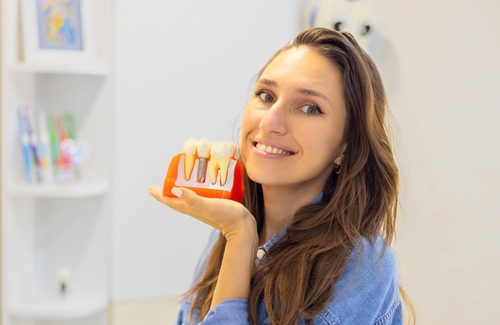
Are implants strong enough for active people

How do I find reliable dentist specialists in Mira Mesa and the surrounding area?

Temecula Center for Dental Implants is your go-to place for trusted implant solutions and compassionate care. Dr. Tsvetov, our experienced oral surgeon, has helped countless patients regain both function and comfort. If you are curious about how genetics affect dental implant success, whether dental implants will affect the way you talk, or you want to learn more about traveling with dental implants, we’ve got helpful resources for you. 

Once your treatment is complete, even a simple visit to Mira Mesa High School for a community event will feel brighter when you can smile and speak with ease. Call us now to book your appointment and see how implants can transform your daily life!

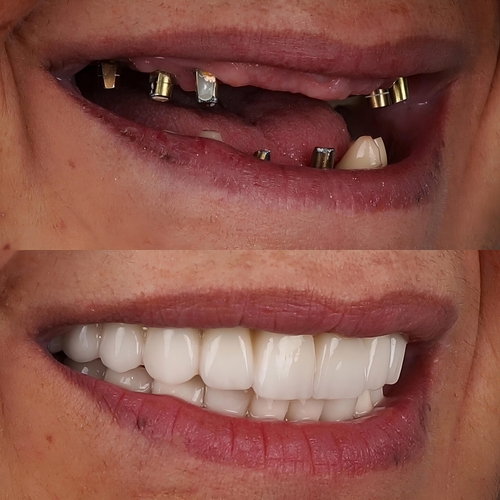
How Dental Implants Can Affect the Way You Talk

09/03/2025

When teeth are missing, the impact extends beyond appearance. Everyday things like eating, smiling, and even speaking can feel different. If you are considering treatment in Mira Mesa and looking for a dental implant specialist, one of your questions may be how implants will affect your speech. The reality is that dental implants are built to restore natural function. While there is a short period of adjustment, most people find that their ability to speak not only returns but often improves compared to before.

Will dental implants change how I speak?

It is common to notice subtle differences in speech right after implant surgery. These changes are usually temporary, and with time your tongue and lips adapt. Knowing what to expect makes it easier to understand the process of speech changes after dental implants.Will dental implants change how I speak

1. Early adjustments

In the first few days or weeks, your tongue may need to learn the feel of the new teeth. Sounds like “s,” “f,” and “th” can feel awkward at first because they depend on precise tongue placement. These small challenges typically fade as your muscles adjust. Most patients report steady improvement over two to four weeks, showing that adjusting to speech with implants is a natural step in the process.

2. Bite alignment and clarity

The way your teeth meet, known as your bite, plays an important role in speech. If the crowns are shaped or positioned slightly differently from your natural teeth, you might notice temporary changes in clarity. Dentists often fine tune crown height or shape to create a smoother path for your tongue. These refinements can make a clear difference in dental implants and pronunciation, helping you regain confidence more quickly.

3. Confidence in conversation

Missing teeth can make people self conscious, leading them to avoid speaking up. Once implants are in place and speech begins to normalize, that hesitation often fades. People find themselves more at ease in both casual conversations and professional settings. This improvement highlights how voice clarity after tooth implants can restore both function and confidence in daily life.

Can implants help me talk more clearly than dentures?

For many patients, implants actually improve speech compared to removable dentures. The difference comes down to how secure they feel, which directly affects talking with dental implants vs dentures.

1. Stability during speech

Removable dentures sometimes slip or move when talking, especially bottom dentures that rely on suction rather than a fixed anchor. Even slight movement can make words sound less sharp. Dental implants are anchored directly into the jawbone, which means they stay in place at all times. That stability makes a noticeable difference for people who have struggled with denture movement.

2. Airflow and sound formation

Clear speech depends on predictable airflow through the mouth. When dentures shift, the tongue has to constantly adjust, which can blur sounds. With implants, the teeth remain steady, giving your tongue a consistent surface to work against. Many patients notice specific improvements in sounds like “sh,” “ch,” and “t.” This explains why voice clarity after tooth implants is often stronger than what dentures provide.

3. Everyday reliability

Dentures can sometimes cause sore spots or gum irritation, especially after long conversations. That discomfort makes it harder to speak freely or at length. Implants remove this concern since they feel and function like natural teeth. People often describe them as “forgetting they are there,” which shows why implants for many offer not only comfort but also more natural communication in daily life.

How long does it take to get used to talking with implants?

The adjustment period varies, but most patients adapt within a few weeks to a few months. During this time, small habits and consistent practice can speed up speech adaptation after implant surgery.

1. Practicing at home

Simple exercises make a big difference. Reading out loud for ten minutes a day or practicing tongue twisters trains your tongue and lips to work with the new teeth. Singing along to music is another way to practice without pressure. These activities accelerate progress and help with adjusting to speech with implants in a comfortable, low-stress way.

2. Role of dental follow-ups

Follow-up visits are essential, especially if you feel certain words remain tricky. Your dentist can adjust the shape or alignment of the crowns so that your tongue has the right space to move. Even minor refinements can make a noticeable change in dental implants and pronunciation. This shows how ongoing support plays a direct role in your overall comfort.

3. Reaching full adaptation

Most patients report that once healing is complete and permanent crowns are in place, they speak as clearly as they did before tooth loss. In many cases, their speech is actually clearer than it was with dentures or missing teeth. This steady improvement shows that speech changes after dental implants are almost always temporary and give way to long-term clarity.

Extra tips for a smooth transition

While implants naturally integrate into daily speech, there are simple strategies that can help you adjust more quickly. These focus on awareness, practice, and patience.

1. Be patient with progress

It’s normal to notice small slips in the beginning. Give yourself time, knowing that the muscles of your mouth are relearning familiar patterns. Most people notice big strides in the first month, followed by steady fine-tuning. Recognizing that speech adaptation after implant surgery takes time can make the process feel less frustrating.

2. Practice in real situations

The more you use your implants in conversation, the faster you adapt. Engage in regular discussions, take phone calls, and practice speaking in front of a mirror. These real-world moments help solidify the changes more effectively than practice alone. Over time, talking with dental implants vs dentures will feel natural in every setting.

3. Protect overall oral health

Healthy gums and bone support the stability of your implants, which in turn supports clear speech. Good daily hygiene and regular dental visits are important for long-term results. Protecting your implants ensures that voice clarity after tooth implants remains consistent for years to come.

Can implants help me talk more clearly than dentures

Where in Mira Mesa and the vicinity can I find an experienced dental implant specialist?

Temecula Center for Dental Implants is your reliable practice for dental implant care that restores your confidence in every smile. With Dr. Tsvetov, our experienced oral surgeon, you can count on skilled treatment and lasting results. You can also explore how genetics impact implants, whether athletes can get implants or not, or read about flying after getting dental implants for more guidance.

Imagine enjoying a walk with your renewed smile through Hourglass Community Park, knowing your teeth feel strong and natural. Call us today to schedule your consultation and start your journey toward better oral health.

Traveling with Dental Implants: What Should I Know?

08/04/2025

If you’ve recently received dental implants in Mira Mesa or are planning to get them, you may have concerns about how they might impact your travel plans. Traveling is generally an enjoyable and exciting experience, but questions regarding this can sometimes create unnecessary anxiety. Let’s take a look at some comprehensive insights and practical travel tips for dental implant patients, so you can confidently embark on your next journey without worry.

Will my dental implants set off airport security?

Before heading to the airport, many dental implant patients wonder whether their implants could pose an issue during security checks. It’s a fair concern, especially for first-time travelers with implants.

Understandably, no one wants the inconvenience or embarrassment of setting off alarms at a security checkpoint. The good news is that dental implants typically do not trigger metal detectors or body scanners used at airports. Implants are predominantly made of titanium, a metal that doesn’t usually activate standard metal detectors because it is non-ferrous, so there is no need to worry about dental implants and airport security.

Can I fly right after getting dental implants?

Traveling soon after a dental procedure can feel risky, and flying after dental implant surgery is a concern many patients share. Knowing what to expect can help make your journey smoother.

  1. Timing is crucial

One common question among travelers is whether flying after dental implant surgery is safe. Generally, dentists recommend waiting at least 48-72 hours post-procedure before flying. This recommendation is not due to significant medical risks but primarily related to managing comfort and swelling. The changes in cabin pressure during a flight can exacerbate post-surgical swelling, discomfort, and minor bleeding.

  1. Essential post-implant travel precautions

If travel immediately after your dental implant procedure is unavoidable, discuss your plans with your dentist. They can suggest appropriate post-implant travel precautions to enhance your comfort. Such measures might include prescribing specific pain relief medications, anti-inflammatory drugs, or suggesting practical methods for managing potential swelling or discomfort during the flight.

Packing ice packs or other cold compresses can help reduce swelling effectively and make your journey more comfortable. You also need to make sure you have enough water and soft foods during your flight for a smooth travel experience and recovery period.

Can I fly right after getting dental implants

How do I take care of my implants while traveling?

Good oral hygiene is crucial at all times, but it becomes even more important when you’re away from your regular routine. Caring for dental implants on vacation requires foresight and consistency.

1. Preparation matters

Dental implant maintenance while traveling mirrors the oral hygiene practices you follow at home, but requires thoughtful planning. Proper packing is essential, so ensure you bring a soft-bristle toothbrush, dental floss or interdental brushes, antiseptic mouthwash, and any specific products your dentist has recommended for implant care.

Furthermore, consider packing these items in your carry-on luggage for convenient access during long flights or layovers. This ensures you can maintain good oral hygiene throughout your trip, significantly reducing the risk of infection or complications with your implants.

2. Maintaining hydration and dietary precautions

Eating and drinking well during travel can impact your oral health more than you might realize. Staying well-hydrated is a crucial part of caring for dental implants on vacation. Dehydration can negatively impact oral health and exacerbate irritation around the implant area. Carrying a refillable water bottle and drinking water regularly during your journey can help maintain optimal hydration levels and overall oral health.

Dietary choices also play a significant role in dental implant maintenance while traveling. Avoid hard, crunchy, sticky, or chewy foods that could damage or dislodge your implants. Preparing ahead by researching dining options and planning meals can prevent accidental implant complications and enhance your travel experience.

Additional travel tips for dental implant patients

A bit of extra planning before your trip can go a long way in ensuring your implants stay in great shape while you travel. These extra measures offer added peace of mind.

1. Schedule a pre-travel dental check-up

Before traveling, schedule a dental visit to ensure your implants are healing correctly and that no immediate concerns could complicate your trip. A quick professional assessment will provide reassurance and allow your dentist to address any minor issues proactively.

2. Prepare a dental emergency kit

Having a small emergency dental kit prepared is another effective step in caring for dental implants on vacation. Include dentist-approved pain relievers, cotton gauze, dental wax (in case of minor irritations), and emergency contact information for dental services at your destination.

3. Locate local dental services

Part of responsible post-implant travel precautions includes identifying reputable dental clinics near your destination in case you need urgent care. Keeping this information handy can provide quick access to professional help, significantly reducing anxiety and ensuring prompt treatment if necessary.

4. Comprehensive travel insurance

Consider obtaining comprehensive travel insurance that covers dental emergencies, including issues related to implants. Knowing you have adequate coverage can ease any potential stress related to unforeseen dental issues abroad.

How do I take care of my implants while travelingWho do I turn to for quality dental implants in Mira Mesa and the surrounding area?
Trust your smile to Dr. Tsvetov, an experienced oral surgeon offering state-of-the-art dental implant care. At our Mira Mesa practice, we use the most advanced tools and technologies to ensure your comfort and long-term success, no matter your genetic background. Whether you’re staying active in sports while getting implants or adjusting to how you speak with your new teeth, we’re here to guide you every step of the way. If you live anywhere in Mira Mesa, close to the University of California, or in any other part of Riverside County, we’re here for you. Ask us about flexible insurance options and start your journey to a healthier smile today!

The Role of Genetics in Dental Implant Success

08/04/2025

When considering dental implants, many factors come into play, from your overall oral health to the skills of your dental professional. Recently, however, a lesser-known aspect has drawn attention: genetics. As surprising as it may seem, genetic factors can play a significant role in the success or failure of dental implants.

If you asked any dental implant specialist in Mira Mesa, they’d tell you that understanding how your genetics influence dental implant success can significantly improve treatment outcomes. Let’s dive deeper into the relationship between genetics and dental implant outcomes and explain common concerns like bone loss, healing issues, and implant failures.

Can my genes affect how well dental implants work?

Your genetic makeup can indeed influence how effectively dental implants integrate and heal. Genetic factors affecting dental implants primarily relate to your body’s healing response and bone density, both crucial components for implant stability.

1. DNA and dental implant healing

DNA and dental implant healing are interconnected since genetic markers can determine how quickly and effectively your body regenerates tissues after surgery. Some individuals naturally possess superior bone healing capabilities due to genetic predispositions, leading to quicker and stronger implant integration. Conversely, those with slower healing genetics may experience longer recovery times, requiring more vigilant post-operative care and monitoring.

Research has identified certain genetic markers associated with collagen production, essential for bone strength and tissue repair. Variations in these markers can directly influence how quickly the jawbone integrates with the dental implant. This genetic insight is crucial for dental professionals to predict patient outcomes accurately and provide customized recovery strategies.

2. Genetic inflammatory responses

Your genes play a vital role in inflammatory responses, potentially impacting gum health and overall oral hygiene. Genetic predispositions toward inflammation can negatively affect the healing process and stability of dental implants. Individuals genetically prone to chronic inflammation may face additional challenges in maintaining implant stability, which shows how important personalized treatment plans are.

Additionally, studies have shown that genetic markers can influence your susceptibility to infections, another critical factor in implant success. Those genetically prone to higher inflammatory responses may require proactive preventive measures, such as specialized dental hygiene routines, targeted medications, or dietary changes, to minimize inflammation-related implant complications.

dental implant specialist mira mesa​

Is dental implant failure linked to genetics?

While implant failure due to genetics isn’t extremely common, it does happen. Genetic conditions, either directly or indirectly, affect oral health and consequently influence dental implant outcomes.

1. Family history of gum disease and implants

Individuals with a family history of gum disease and implants might experience heightened risks. Genetic susceptibility to gum disease increases inflammation around implants, potentially causing implant complications or failures. Preventive dental care routines are crucial for these individuals to mitigate potential risks effectively.

Research shows a significant correlation between genetics and gum disease severity. Specific genetic markers predispose individuals to heightened gum sensitivity, increased plaque buildup, and higher rates of periodontal disease. Regular dental check-ups, professional cleanings, and personalized oral hygiene practices become essential to counteract these genetic influences and maintain healthy implants.

2. Osteoporosis and dental implant success

Osteoporosis, characterized by diminished bone density, significantly reduces the jawbone’s ability to support implants securely. Those with genetic predispositions to osteoporosis should undergo thorough assessments, including bone density scans, before implant placement. Early identification allows dentists to implement specialized interventions to ensure better implant stability and reduce failure risks.

Patients with genetic markers for osteoporosis might require additional bone-strengthening treatments before dental implant surgery. These treatments may include dietary modifications, calcium and vitamin D supplementation, or medications specifically formulated to improve bone density. Incorporating these strategies significantly improves the likelihood of successful dental implant integration and longevity, despite hereditary risks.

Should I worry about bone loss if it runs in my family?

Hereditary bone loss and dental implants are valid concerns because genetic predispositions to bone diseases significantly affect implant outcomes. Osteoporosis decreases bone density, weakening the jawbone’s capacity to secure implants effectively.

1. Diagnostic measures for hereditary bone loss

Your dentist may recommend diagnostic tools, such as bone density scans, to accurately assess your suitability for implants if hereditary bone loss is known in your family. These scans enable the identification of bone density issues before implant placement, ensuring tailored interventions are provided to strengthen your jawbone.

Advanced diagnostic procedures, such as computed tomography (CT) scans, provide precise insights into bone structure and density. These technologies help dentists develop comprehensive treatment plans tailored to each patient’s genetic profile, ensuring optimal preparation and minimizing the risk of implant failure due to bone insufficiency.

2. Personalized dental care plans

Preventive measures could include dietary adjustments, calcium supplements, or medications specifically aimed at boosting bone density. Early identification and tailored dental care plans are critical in ensuring successful outcomes for patients concerned with hereditary bone loss and dental implants.

Personalized dental care often extends beyond clinical measures, including lifestyle counseling, nutrition guidance, and regular monitoring. For instance, dental professionals might advise incorporating weight-bearing exercises known to improve bone density or recommend avoiding habits that could accelerate bone loss, such as smoking or excessive alcohol consumption. These personalized strategies significantly enhance dental implant success, even in patients genetically predisposed to bone health challenges.

genetic factors affecting dental implantsHow do I find a reliable dental implant specialist in Mira Mesa and the surrounding area?
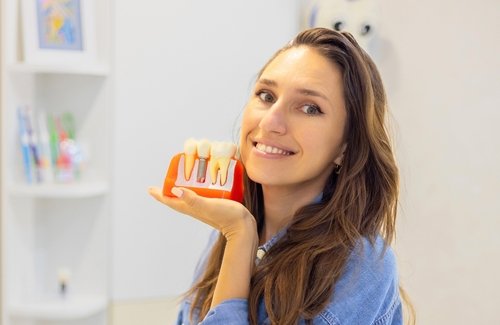
With years of experience and the latest in diagnostic and surgical technology, Dr. Tsvetov at Temecula Center for Dental Implants provides personalized implant solutions that last. Our office is fully equipped to support your dental goals. We offer detailed consultations, comprehensive aftercare, and reasonable pricing to fit your needs. Let us help you protect your smile wherever life takes you, Let us help you protect your smile wherever life takes you — whether you’re an athlete with an active lifestyle, preparing to travel soon after you get your implants, or simply want to feel confident speaking clearly again. If you live close to the Mira Mesa Recreation Center, you’ll be at the office in no time. Schedule your visit today!

The Impact of Smoking on Dental Implants and How to Reduce Risks

06/04/2025

Dental implants have revolutionized oral care, providing a durable solution for missing teeth. Advanced procedures, such as All-on-4 implants in Scripps Ranch, have particularly gained popularity due to their efficiency and reliability. However, lifestyle choices like smoking can greatly influence implant success. Understanding how smoking affects implants and learning effective ways to mitigate these risks is crucial for ensuring optimal oral health outcomes.

Can I get dental implants if I smoke?

Smoking does not outright disqualify someone from getting dental implants. However, it significantly increases risks, and certain precautions must be taken.

1. Understanding your eligibility

Before considering implants, smokers should consult their dentists to undergo comprehensive oral health assessments. Dental professionals will evaluate factors such as gum health, bone density, and overall physical condition. Smoking affects healing and oral tissues, meaning dental implant procedures are more complicated for smokers. Dentists may suggest lifestyle changes or temporary cessation before proceeding to reduce risks like dental implant failure from smoking.

2. Balancing risks and benefits

While implants offer a permanent and aesthetic solution to tooth loss, smokers should be aware that their success rate might be lower compared to non-smokers. Dentists will typically explain the heightened risks, emphasizing that smoking significantly impacts healing and implant stability. A thorough discussion with your dentist about these risks versus the potential benefits can help smokers make an informed decision about pursuing implant procedures.

How does smoking affect dental implants

How does smoking affect dental implants?

Smoking adversely impacts the healing process, increasing the chance of complications and reducing the overall success rate of dental implants.

1. Osseointegration problems

One of the primary concerns for smokers is the increased risk of smoking and osseointegration problems. Osseointegration is the essential process in which the dental implant integrates firmly into the jawbone.

Nicotine and other harmful substances found in cigarettes constrict blood vessels, decreasing blood flow and oxygen to the bone and surrounding tissues. This impairment compromises the bone’s ability to fuse properly with the implant, significantly reducing implant stability and increasing the chance of implant failure.

2. Increased risk of peri-implantitis

Another severe complication associated with smoking is peri-implantitis caused by smoking. Peri-implantitis is an inflammatory disease similar to gum disease that specifically affects the tissues surrounding a dental implant.

Smokers are more susceptible due to compromised immunity and impaired oral tissue health, resulting in increased plaque accumulation and bacterial infection around implants. If left untreated, peri-implantitis can rapidly lead to bone deterioration and eventual implant loss.

3. Delayed healing and recovery

Smoking contributes to delayed healing following dental implant surgery. Nicotine effects on healing after dental implants are notable because nicotine restricts blood flow, limiting the necessary nutrients and oxygen needed for tissue repair and regeneration.

The compromised healing environment prolongs discomfort, extends recovery periods, and elevates the risk of developing further complications such as infections or inadequate wound closure.

What can smokers do to improve dental implant success?

Although smoking presents significant challenges, smokers can adopt proactive measures to substantially improve their chances of successful dental implant outcomes.

1. Stop smoking before surgery

One of the most beneficial actions smokers can take is learning how to quit smoking before dental surgery. Even temporary cessation significantly enhances healing and reduces the risk of implant complications.

Methods such as nicotine replacement therapy, counseling, and prescription medications like varenicline or bupropion are effective tools to help patients quit or reduce smoking around the time of surgery. Studies consistently show that quitting smoking, even for a few weeks before and after implant surgery, markedly improves osseointegration and implant survival rates.

2. Rigorous oral hygiene practices

Adhering to exceptional oral hygiene standards can help smokers counteract some smoking-related risks. This includes thorough brushing, flossing, and the use of antimicrobial mouth rinses regularly.

These measures significantly reduce harmful bacterial buildup and prevent inflammation, thus lowering the chances of developing peri-implantitis. Addressing nicotine effects on healing after dental implants through excellent oral care is essential. Smokers should work closely with dental hygienists to establish and maintain optimal oral hygiene routines, thereby reducing risks associated with implants.

3. Regular dental follow-up and check-ups

Frequent dental check-ups and professional cleanings are especially crucial for smokers. Routine dental visits facilitate early detection and intervention for potential complications, allowing dentists to closely monitor healing progress and implant stability.

Regular professional evaluations provide opportunities to reinforce oral hygiene education, manage early signs of peri-implantitis, and ensure timely treatment if issues arise. Establishing a consistent follow-up schedule is critical for maintaining long-term implant health in smokers.

4. Nutritional and lifestyle adjustments

Another effective strategy involves nutritional and lifestyle improvements. Consuming a balanced diet rich in essential vitamins and minerals such as calcium, vitamin D, and antioxidants can support bone health and healing.

Reducing alcohol consumption, managing stress, and ensuring adequate sleep also enhance overall health, which improves the body’s ability to heal after implant surgery. These holistic lifestyle adjustments play a supportive role in mitigating the negative effects that sometimes lead to dental implant failure from smoking.

5. Considering alternative nicotine delivery methods

In cases where quitting entirely proves difficult, transitioning to less harmful nicotine delivery methods, such as vaping or nicotine patches, might be advised temporarily. While not ideal, these alternatives do reduce exposure to the numerous harmful chemicals in traditional cigarettes, improving healing conditions.

Dental professionals might recommend these transitional options alongside rigorous monitoring and supportive care to enhance implant outcomes.

Final note

The decision to undergo dental implant surgery as a smoker must involve careful consideration of the risks and proactive management of lifestyle factors. Smoking undeniably increases the risk of implant-related complications, such as osseointegration issues, peri-implantitis, and delayed healing.

However, by taking informed, proactive steps such as quitting smoking temporarily or permanently, maintaining diligent oral hygiene, regular dental visits, and improving overall lifestyle habits, smokers can significantly enhance the likelihood of achieving long-term dental implant success.

Additionally, being aware of smoking and osseointegration problems empowers patients to make health-conscious decisions for their dental future. Understanding and addressing these risks with your dental professional is the first crucial step towards lasting oral health and implant longevity.

high-quality All-on-4 implants in Scripps RanchWho do I turn to if I need high-quality All-on-4 implants in Scripps Ranch and the surrounding area?

At Temecula Center for Dental Implants, we specialize in advanced implant care tailored to your lifestyle and oral health history. If you’re a smoker considering implants, our experienced Dr. Tsvetov and his dedicated team will help you understand the risks and tell you how to reduce them. With personalized guidance and preventive strategies, long-term success is within reach. If you’re wondering about the implications of dental implants with chronic conditions or want practical advice on gum health or managing bruxism with implants, just ask us! From the centre of Scripps Ranch to Lake Poway and beyond, we’re here for you. Schedule your consultation today to take the first step toward a healthier, more confident smile!

A Practical Guide to Dental Implants With Chronic Health Conditions

06/04/2025

Dental implants are a trusted and long-term solution for missing teeth, but patients with chronic health conditions face unique challenges. From diabetes to heart disease and autoimmune disorders, managing overall health becomes essential for implant success. A personalized treatment plan and medical-dental collaboration are critical in minimizing risks. Consulting a dental implant specialist in Scripps Ranch ensures that patients receive expert guidance tailored to their specific conditions and needs for a safe and effective dental implant experience.

Can I get dental implants if I have diabetes?

Diabetes is a common chronic illness that requires specific management strategies when considering dental implants.

1. Evaluating eligibility

Patients with diabetes can indeed get dental implants, provided their condition is well-managed. Elevated blood sugar levels can interfere with healing and increase infection risks. Dental professionals require consistent control of blood glucose levels and regular medical consultations to mitigate potential complications.

2. Risks specific to diabetes

High blood sugar affects blood circulation, slowing healing and increasing infection risks. Poor glucose control can also affect bone density, making implant integration (osseointegration) challenging. Proper management significantly reduces the risk of complications, highlighting the importance of diligent blood sugar monitoring.

3. Strategies for successful outcomes

Patients should regularly monitor glucose levels, maintain medication compliance, and engage in lifestyle changes like healthy diets and regular exercise. Close coordination with healthcare providers significantly reduces dental implants and systemic health issues, ensuring a safer and more predictable recovery.

Are dental implants safe for people with heart disease

Are dental implants safe for people with heart disease?

Heart disease poses specific concerns for dental implant procedures that require careful evaluation and management.

1. Cardiac health evaluation

Patients with heart conditions must undergo thorough medical evaluations before dental implant surgery. Dentists and cardiologists often collaborate to ensure patient safety, adjusting treatments based on cardiovascular stability and medication usage, particularly blood thinners.

2. Potential implant-related risks

Individuals with heart conditions face unique risks, such as increased bleeding due to anticoagulants and higher susceptibility to infection. Dental professionals must meticulously plan surgery to manage these risks effectively, ensuring that dental implant risks for medically compromised patients remain minimized.

3. Preventive and safety measures

Preventative antibiotics and appropriate anesthesia reduce infection risks and stress-related complications during implant procedures. Regular follow-ups and thorough monitoring during recovery are critical to promptly addressing any cardiovascular-related implant complications.

What health conditions affect getting dental implants?

Since various chronic conditions can impact the success of dental implants, we often need to tailor our management strategies

1. Osteoporosis and bone health

Conditions like osteoporosis impact bone density and quality, complicating implant procedures. Reduced bone mass may delay osseointegration, thereby increasing the risk of implant failure. Bone grafting and pre-operative assessments are key strategies for improving outcomes in such patients.

2. Autoimmune diseases

Autoimmune disorders, such as rheumatoid arthritis or lupus, involve chronic inflammation and immunosuppressive medications, which can sometimes complicate healing. Dental practitioners personalize implant procedures and recovery plans, focusing on strict management protocols to ensure patient safety and efficient healing, particularly when addressing health conditions affecting dental implant success.

3. Cancer and chemotherapy

Cancer treatments, especially chemotherapy and radiation therapy near the head and neck, significantly affect bone health and healing ability. Implants are usually delayed until recovery from treatments is complete and overall health is stabilized, underscoring the importance of careful timing and coordination with oncologists.

Managing chronic disease for dental surgery

Effectively managing chronic diseases is essential to successful dental implant placement.

1. Collaborative medical and dental care

Successful implant procedures require close cooperation between dentists and medical specialists. A comprehensive medical history review and ongoing communication help effectively manage patient risks, optimize healing outcomes, and reduce complications.

2. Optimizing chronic illness management

Patients must diligently adhere to prescribed medical treatments, dietary guidelines, and lifestyle recommendations. Effective chronic disease management not only reduces the risk of complications but also significantly enhances the overall success rate of dental implants. Following these protocols for managing chronic disease for dental surgery is key to long-term implant stability.

3. Enhanced follow-up care

Regular dental check-ups and proactive preventive care are vital for chronically ill patients. Early detection of complications ensures prompt treatment and supports sustained implant health. Consistent follow-ups are essential in managing chronic conditions effectively and ensuring successful dental implant outcomes.

Lifestyle adjustments to improve outcomes

Lifestyle modifications play a significant role in enhancing dental implant success among patients with chronic conditions.

1. Nutritional enhancements

Nutrition profoundly impacts healing and bone health. Diets rich in essential vitamins and minerals, such as calcium and vitamin D, significantly support bone health and enhance healing after dental surgery.

2. Reducing risk factors

Quitting smoking and moderating alcohol consumption substantially improves systemic health and bone density. Reducing these risk factors directly supports better implant integration and reduces complications related to dental implants with chronic illness.

3. Stress reduction and adequate rest

Chronic stress impairs immune function and slows healing. Techniques like mindfulness, adequate sleep, and stress management therapies significantly support recovery, promoting better systemic health and improved dental implant outcomes.

Final note

Getting dental implants when you’re managing chronic health conditions truly calls for a comprehensive and coordinated approach. Conditions like diabetes, heart disease, autoimmune diseases, osteoporosis, and even cancer treatments need careful management to ensure proper healing and the long-term success of your implants.

When healthcare providers work together, you diligently manage your condition, maintain healthy lifestyle habits, and practice proactive preventive care, you significantly reduce the risks often associated with health conditions affecting dental implant success. This teamwork ensures a positive implant experience and lasting oral health.

What health conditions affect getting dental implantsHow do I find a reliable dental implant specialist in Scripps Ranch and the surrounding area?

Our team at Temecula Center for Dental Implants is experienced in providing dental implants for patients with complex health needs. Whether you’re managing diabetes, heart disease, or another chronic condition, our dependable Dr. Tsvetov is here to guide you safely through your journey.

Whether you’re navigating the risks of smoking and implants, curious about protecting implants from teeth grinding, or want to understand how gum health impacts implant success, we’re here with answers and solutions tailored to you.

With careful planning and collaboration with your healthcare providers, your smile goals are achievable. Whether you’re coming from the neighborhood around the Miramar Reservoir or elsewhere in Scripps Ranch, we’re just a quick car ride away. Book your consultation today and discover your personalized treatment options!

Healing After Dental Bone Grafting

12/18/2024

Dental bone grafting is a common procedure performed to rebuild and strengthen the jawbone, often as a precursor to dental implants or to address bone loss caused by trauma or periodontal disease. Despite its routine nature, it’s normal to have concerns. However, by understanding the stages of bone graft healing and knowing how to care for yourself post-surgery, you’ll quickly ease these worries and ensure a smooth recovery.

If you’re in Scripps Ranch and preparing for a bone graft or considering one, this guide will walk you through what to expect during the healing process and offer practical tips to achieve the best possible outcome.

How long does a dental bone graft take to fully heal?

The full healing process typically takes between 3 to 9 months, depending on several factors:How long does a dental bone graft take to fully heal

  • Type of graft material: Grafts made from your own bone (autografts) tend to integrate faster than synthetic options.
  • Size of the graft: Larger grafts or those placed in areas of extensive bone loss may take longer to heal.
  • Overall health: Healing may be slower for smokers, diabetics, or individuals with weakened immune systems.
  • Location: Grafts in the upper jaw, such as those used for sinus lifts, often take longer to heal due to reduced blood supply compared to the lower jaw.

While the soft tissue (gums) usually heals within 2 to 3 weeks, the integration of the graft material with your natural bone – a process known as osseointegration – takes much longer. Your dentist or oral surgeon will track this progress using X-rays and clinical exams to decide when the area is ready for the next steps, such as placing dental implants

What are the three stages of graft healing?

The healing process occurs in three distinct stages:

1. Inflammatory phase (0-7 Days)

Immediately after surgery, the body initiates the healing process by sending inflammatory cells to the site, a crucial step for cleaning out debris and preventing infection. During this phase, it’s common to experience swelling, bruising, and mild discomfort. To ensure proper recovery, apply ice packs for the first 24-48 hours, follow prescribed medications, and avoid disturbing the surgical site.

2. Proliferative phase (1-10 Weeks)

During this phase, which spans from 1 to 10 weeks, new blood vessels form, and soft tissues begin to close around the graft as osteoblasts actively produce new bone tissue. During this time, swelling gradually diminishes, and you’ll notice improvements in both comfort and gum healing. To support this, make sure you maintain excellent oral hygiene by using a gentle rinse, such as saltwater or a prescribed mouthwash, and adhere to a soft-food diet to avoid disrupting the healing tissues.

3. Remodeling phase (2-9 Months)

During the remodeling phase, which typically lasts 2-9 months, the graft integrates with your natural bone, strengthening the area to support future dental procedures. By this time, most discomfort will have subsided, but your dentist will continue to monitor the integration progress through imaging to ensure proper healing.

What not to do after a dental bone graft?

If you’re not sure how can you make your dental bone graft heal faster, it’s crucial to avoid activities that could disrupt the healing process or dislodge the graft material:

Smoking and alcohol

Smoking impairs blood flow to the surgical area, compromising recovery and heightening the chance of graft rejection. Similarly, alcohol can reduce the efficacy of medications and prolong tissue healing.

rigorous rinsing or spitting

Aggressive rinsing or spitting can dislodge the blood clot and disrupt the graft material. Instead, gently rinse with a prescribed mouthwash or saline solution after the first 24 hours.

Strenuous activities

Give your body time to recover by steering clear of vigorous exercise and heavy lifting for at least a week, as these can increase the risk of bleeding.

Poking or prodding the area

Refrain from contacting the graft area with your tongue or fingers to prevent bacteria from causing infections or interfering with healing.

How can I speed up the healing of a dental bone graft?

If you’ve been wondering how to speed up bone graft healing, you’re not alone. While it’s impossible to rush biology, there are steps you can take to optimize the graft integration process. 

#1 Follow your dentist’s post-op instructions: Adhere to all guidelines provided, including taking prescribed antibiotics and pain medications.

#2 Maintain excellent oral hygiene: Keeping your mouth clean is critical to preventing infection. Use a soft-bristled toothbrush and avoid the graft area during the early days.

#3 Eat a nutrient-rich diet: Focus on foods rich in calcium, vitamin D, and protein to support bone growth and tissue repair.

#4 Use ice packs and elevate your head: Ice packs help reduce swelling, while keeping your head elevated (especially while sleeping) minimizes discomfort and bleeding.

#5 Avoid unnecessary stress on the graft site: Stick to a soft diet and avoid clenching your teeth or grinding, as these can strain the healing bone.

When can I eat solid food after a bone graft?

You can usually reintroduce solid foods gradually within 7-10 days after surgery, but this depends on:

  • The complexity of your procedure: More extensive grafts may require a longer period of soft foods.
  • Your comfort level: Pain or tenderness should guide your progression to solid foods.

Initially, stick to soft, easy-to-chew foods like scrambled eggs, mashed potatoes, soups, and smoothies. Gradually transition to solids like pasta, cooked vegetables, and tender meats as the healing progresses. Avoid hard, sticky, or crunchy foods (e.g., nuts, chips, raw carrots) for at least 6-8 weeks to prevent damaging the graft site. 

Also, if you’re not sure what foods help bone growth after a bone graft or what vitamins help a bone graft heal faster, here are some of the best options:

  • Calcium-rich foods: Dairy products like milk, cheese, and yogurt, as well as non-dairy options like almonds, fortified plant-based milk, and leafy greens (e.g., kale, spinach).
  • Vitamin D sources: Focus on foods like fatty fish (salmon, mackerel, tuna), egg yolks, and fortified cereals. Spending some time in the sun can also boost your vitamin D levels.
  • Protein-rich foods: Include lean meats, poultry, fish, eggs, beans, tofu, and protein-rich dairy products.
  • Vitamin C foods: These include citrus fruits, berries, bell peppers, tomatoes, and broccoli.
  • Magnesium and phosphorus sources: Eat nuts, seeds, whole grains, bananas, and fish for magnesium, and focus on meat, poultry, and dairy for phosphorus.
  • Omega-3 fatty acids: Include fatty fish, flaxseeds, walnuts, and chia seeds.

What are the three stages of graft healingWho in Scripps Ranch can tell me more about stages of bone graft healing?

Healing after a dental bone graft takes time, but with the right care, you can support a smooth recovery and prepare for future dental restorations. However, if you’re wondering about the timeline for a bone graft procedure or its chances of success, the Temecula Center for Dental Implants has you covered. Whether you’re considering a bone graft or are already in the recovery phase, feel free to reach out to our office in Scripps Ranch. Dr. Tsvetov is here to provide the guidance and information you need to make a confident, informed decision.

Dental Bone Graft Success Rates

12/18/2024

If you’re considering a dental bone graft, it’s normal to have questions and even a few concerns. You might be wondering if the procedure will work, how long it will take to heal, or whether there’s a risk of complications. The good news is that bone grafting has become a highly effective and routine part of modern dentistry, providing a strong foundation for successful dental implants. 

In this blog, we’ll explore what’s dental bone graft success and failure rate, what factors can influence the outcome, and how to spot and manage any potential issues – so you can feel confident about taking the next step toward a healthier smile.

How successful is bone grafting for dental implants?

According to recent studies, dental bone grafting is incredibly effective, with success rates over 95%. Thanks to advanced techniques and materials, it has become a reliable way to restore lost bone for implant placement. There are several types of materials that can be used, each with its own advantages:How successful is bone grafting for dental implants

  • Autografts: This involves using bone taken from your own body, usually from areas like the jaw, chin, or even the hip. Because it’s your own tissue, there’s no risk of rejection, and it integrates very well, making it a highly effective option.
  • Allografts: These grafts come from a human donor, often through a bone bank. They are thoroughly processed and sterilized, making them safe to use. One of the biggest benefits is that they avoid the need for an additional procedure to harvest bone from your body.
  • Xenografts: Sourced from animals, typically cows, these grafts are processed to make them safe and compatible with the human body. They’re a popular choice because they provide a strong framework for new bone to grow.
  • Synthetic grafts: Made from materials like calcium phosphate or bioactive glass, these are designed to mimic natural bone. They’re a great option for patients who prefer a non-biological material and are highly effective in promoting new bone growth.

However, keep in mind your dentist or oral surgeon should choose the type of graft that’s best suited to your needs, taking into account your specific situation and goals for treatment.

What factors can influence the success of a bone grafting procedure?

Although the procedure has a high success rate, certain factors can influence its outcome. These usually include:

Overall health

People with conditions like diabetes, osteoporosis, or immune system disorders may heal more slowly. This is why maintaining good overall health is essential, as it plays a key role in the body’s ability to regenerate bone effectively.

Oral health

Existing oral health issues, such as gum disease or infections, can reduce the chances of a successful bone graft. That’s why it’s so important to address any underlying problems and ensure your mouth is in good shape before the procedure.

Bone quality and quantity

The existing bone structure and its density play a significant role in how well the graft integrates. Adequate preparation and assessment of the graft site are critical.

Lifestyle choices

Smoking is one of the biggest factors that can slow down or complicate the healing process. Nicotine restricts blood flow, which is essential for delivering the oxygen and nutrients needed for the graft to integrate successfully. This can increase the risk of complications and delay recovery, making it especially important to quit smoking before and after the procedure.

Surgical expertise

The ultimate success depends heavily on the oral surgeon’s experience and technique. A skilled surgeon can place the graft accurately and take steps to lower the risk of complications.

Post-operative care

To give your bone graft the best chance of success, it’s important to stick to your dentist’s advice, including proper oral care, taking any prescribed medications, and keeping up with scheduled check-ins.

What causes a bone graft to fail?

There are rare instances when issues can arise and result in failure, though it’s not common. Typical factors behind this include:

  1. Infection: To avoid infections that could impact healing, it’s important to keep the graft site clean and take antibiotics as instructed.
  2. Insufficient blood supply: Bone grafts depend on good blood flow to properly heal and connect with the existing bone. Without adequate vascularization, the graft may not succeed.
  3. Graft rejection: Although rare, the body may reject the graft material. This is more common with certain types of grafts, such as xenografts or synthetic materials.
  4. Excessive movement: The graft site needs to remain stable during the healing process. Excessive movement caused by poor implant placement or improper post-operative care can disrupt healing.

What percentage of dental bone grafts are successful?

Success rates for dental bone grafts are impressively high, typically between 90% and 98%, depending on the type of graft material used, the patient’s health, and the expertise of the oral surgeon. Autografts tend to have the highest success rates due to their compatibility with the patient’s body, while allografts, xenografts, and synthetic materials also perform well under the right conditions.

How do I know if my body is rejecting a dental bone graft?

It’s important to know that graft rejection or failure can happen. So, how do you know if a dental bone graft is successful? It’s simple – keep an eye out for a few key signs of failed dental bone graft:

  1. Persistent pain or swelling: While mild discomfort is expected after surgery, prolonged or worsening pain and swelling may indicate an issue.
  2. Infection symptoms: Pay attention to redness, warmth at the graft site, pus drainage, or a fever.
  3. Graft material exposure: In some cases, the graft material may become exposed through the gum tissue. This is a sign that the graft is not integrating properly.
  4. Unusual mobility: If the graft or the dental implant feels loose, it may indicate that the graft is not providing adequate support.
  5. Delayed healing: Healing should progress steadily over the weeks following surgery. If healing seems stalled or regresses, consult your dentist or oral surgeon.

Who can I talk to in Scripps Ranch about dental bone graft success and failure rate? What factors can influence the success of a bone grafting procedure

If you’re in  Scripps Ranch and considering a dental bone graft, or if you have questions about the process, don’t leave your smile to chance – reach out to Temecula Center for Dental Implants. Whether you’re curious about how the procedure works, what recovery looks like, or how long it takes to heal fully, we’re here to give you the answers you need. Give us a call to schedule a consultation with Dr. Tsvetov, who will guide you through every step and help you make a confident, informed decision about your care.