Dental implants are often considered the gold standard for tooth replacement. They offer a long-lasting solution that closely resembles natural teeth, restoring both functionality and appearance. However, dental implants aren’t for everyone. Certain conditions or lifestyle factors can make someone a poor candidate for dental implants in Vista, CA, and identifying any limitations early can save time, money, and frustration.
Before proceeding with dental implants, your dentist will evaluate several key aspects of your health and dental situation. While some factors are temporary and can be addressed with treatments like bone grafts or gum disease management, others may mean that dental implants are not the best option.
In today’s blog, we’ll explore dental implant candidacy criteria and key factors that may disqualify someone from dental implant treatment. By understanding these, you’ll be better equipped to have an informed discussion with your dentist about whether dental implants are the right choice for you.
Who should avoid dental implants?
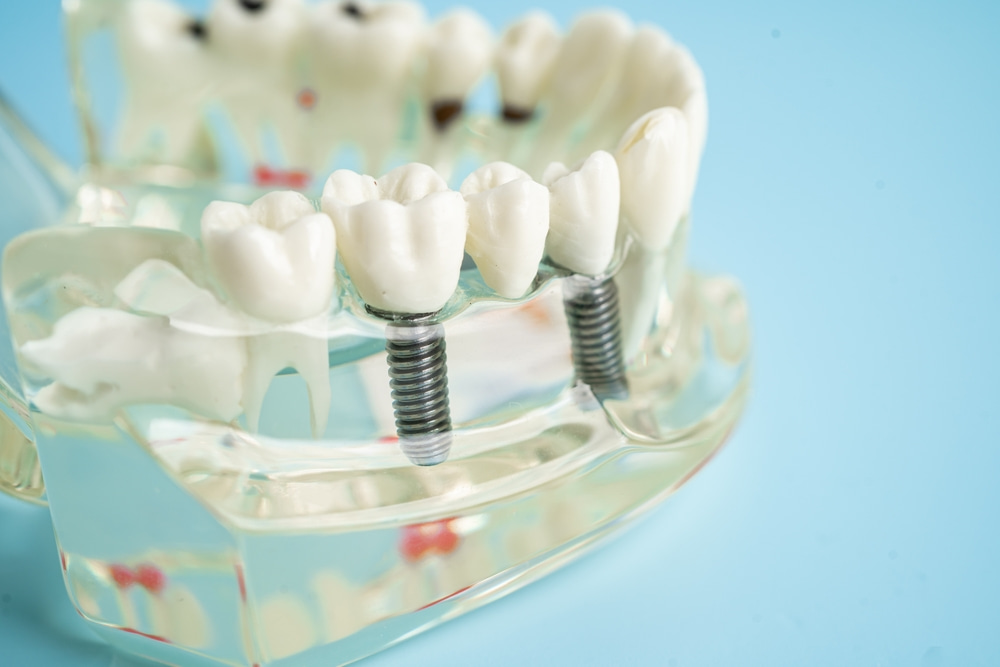
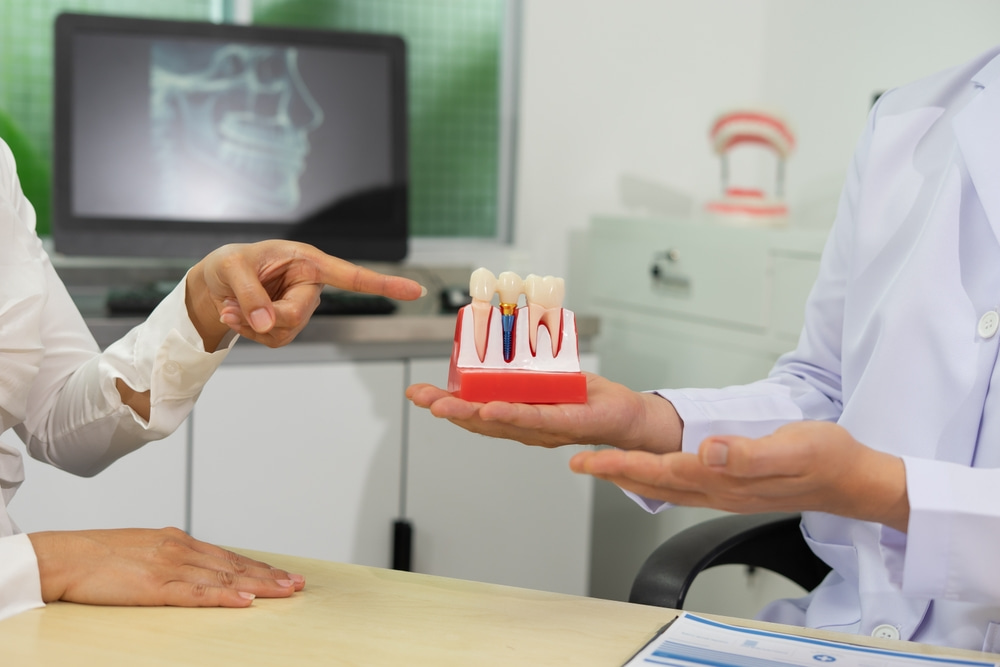
Dental implants are titanium posts surgically placed into the jawbone to act as artificial tooth roots. Implants offer several benefits over other restorative options. Once integrated with the bone, they provide a stable base for attaching crowns, bridges, or dentures. However, to successfully undergo a dental implant procedure, certain requirements must be met. Let’s explore some of the common reasons why someone might not be a good candidate for dental implants.
1. Insufficient bone density
One of the biggest factors in whether dental implants are right for you is your bone density. The implant post needs to fuse with the jawbone, a process called osseointegration. If a tooth is lost and not replaced, the jawbone can begin to shrink, leading to bone density loss. For implants to be effective, the bone must be strong and thick enough to anchor the titanium post securely.
If a person has experienced significant bone loss, they may not have enough bone left to support the implant. Fortunately, treatments like bone grafts or sinus lift for upper jaw implants might be able to help. However, not all patients are eligible for these procedures, and in some cases, implants may not be possible if the bone loss is too severe or widespread.
2. Gum disease
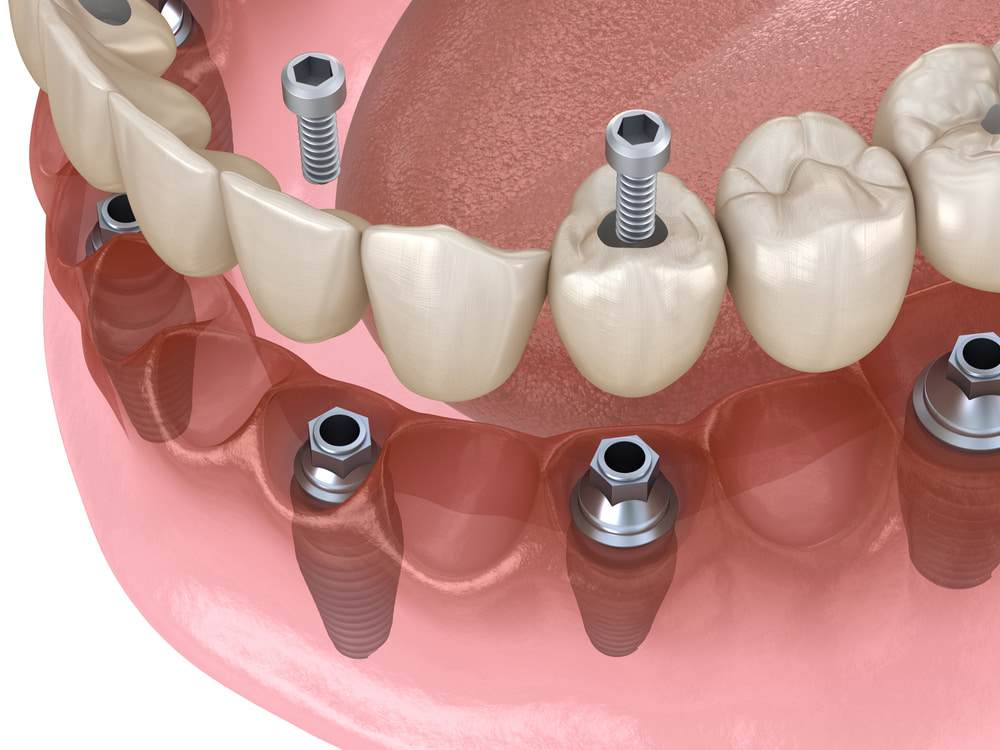
Gum disease, or periodontal disease, is another significant factor in implant candidacy. Healthy gums are necessary to support dental implants. If a patient has active gum disease, their gums may be inflamed, infected, or weakened, which can hinder the healing process after implant surgery. Gum disease can cause the gums to recede, leading to further bone loss, making it even more difficult to place the implant effectively.
Before proceeding with dental implants, your dentist will likely recommend treating any gum disease and ensuring that your gums are healthy. This typically involves treatments like deep cleaning, scaling, and root planing to remove plaque and tartar buildup. Only once the gums are healthy and infection-free can implant placement be safely considered.
3. Chronic health conditions
Certain medical conditions can affect the success of dental implants, particularly those that impair the body’s ability to heal or fight infections. These include:
Diabetes
If diabetes is not well-managed, it can impair healing and increase the risk of infection after surgery. It’s important for people with diabetes to work with their healthcare provider to get the condition under control before considering dental implants.
Osteoporosis
This condition, which weakens bones, can make it difficult for the jawbone to properly support the dental implant.
Heart disease
Those with certain heart conditions may be at higher risk for complications during the surgical placement of implants. In some cases, special precautions or medications are needed to proceed safely with the procedure.
However, this doesn’t mean dental implants are off the table completely. With proper management of the condition and a personalized treatment plan, some individuals can still move forward with dental implant surgery.
Active cancer treatment
If a patient is undergoing treatment for cancer, particularly radiation to the head or neck area, they may be at a higher risk for complications, including bone loss or infection, so caution is advised.
4. Smoking & tobacco use
Smoking and tobacco use have a direct impact on oral health and the success of dental implants. Nicotine and other chemicals in tobacco products can impair blood circulation and slow down the healing process after surgery, increasing the risk of implant failure. Smoking also increases the likelihood of infection and gum disease, which, as mentioned earlier, can disqualify a patient from dental implants.
5. Young age
While dental implants can be an excellent solution for many adults, younger individuals (usually those under 18-20 years old) may not be ideal candidates. The reason is that their jawbones may not have fully matured, which means the implants may not properly fuse with the bone. Placing dental implants before the jaw has fully developed could result in implant failure.
For younger patients, it’s typically recommended to wait until their jawbone has finished growing before pursuing dental implants. For those with missing teeth at a young age, alternative solutions, such as bridges or partial dentures, can provide a temporary solution until they are old enough for implants.
6. Poor oral hygiene habits
It’s important to mention the connection between poor oral hygiene and implant suitability. Dental implants require good oral hygiene practices to ensure they last and function correctly. If a patient has a history of poor oral hygiene, it may be an indication that they may not follow the necessary care routine after getting implants. Successful implant surgery requires the patient to maintain regular brushing, flossing, and routine dental visits. If you tend to neglect your oral hygiene, your dentist might advise against implants until you are committed to maintaining proper care.
7. Pregnancy
Pregnancy can impact the body in several ways, and undergoing dental surgery during this time can pose risks to both the mother and the baby. Although there is no direct prohibition against dental implants during pregnancy, it is generally advised to avoid elective procedures like dental implant surgery until after childbirth. This is especially important because pregnancy can lead to changes in hormones, increased bleeding, and swelling in the gums, which could complicate the implant process.
 How can I contact the leading specialists in dental implants in Vista, CA?
 How can I contact the leading specialists in dental implants in Vista, CA?
With great professional respect among colleagues and outstanding patient experiences in our state-of-the-art clinic, Temecula Center for Dental Implants is the top-rated choice for oral health in San Diego County. Our patient-centered approach ensures comfort during every stage of the treatment, from initial assessment and consultation at our office to the crucial dental osseointegration process and aftercare guidance for swift recovery. We use advanced technologies to get a clear picture of your situation, design the right solution, and make sure you get to enjoy all your favorite meals and happy moments with your friends and family for years to come. Book your consultation now!