What Recovery is Really Like After Subperiosteal Implants

04/29/2026

Choosing to move forward with subperiosteal implants is a big step, and for many patients, the recovery period is one of the first things they want to understand. It is completely normal to wonder how much discomfort to expect, how long healing takes, and when daily life starts to feel normal again. While every patient’s experience is different, recovery after inserting a subperiosteal dental implant is often more manageable than many people anticipate.

Because subperiosteal implants are designed for patients who may not have enough jawbone for traditional implants, the healing process has its own considerations. The implant sits on top of the jawbone beneath the gum tissue, which means recovery focuses heavily on soft tissue healing, gum adaptation, and protecting the surgical area as it stabilizes. Understanding the typical stages of post-operative healing can make the experience feel less intimidating and help you enjoy a smoother, more comfortable recovery.

How does recovery look after a subperiosteal dental implant?

The oral surgery recovery timeline after subperiosteal implants is not exactly the same as recovery after traditional implants. Since the subperiosteal implant framework is placed on the jawbone and beneath the gums rather than inside the bone, the healing process is centered more around the soft tissues and how the gums adapt around the implant posts.

That does not mean post-operative healing is instant or effortless. Your mouth still needs time to recover from oral surgery, and the tissues around the implant need a chance to settle properly. Swelling, tenderness, and some temporary disruption to your normal eating and speaking habits are all part of the early phase for many patients.

The good news is that most patients find recovery becomes easier in stages. The first few days usually require the most care, while the following weeks are focused on gradual improvement and close monitoring by the dental team.

The first 24 to 72 hours

The first few days after surgery are usually when patients notice the most swelling and soreness. This is the body’s natural response to the procedure. The gums and surrounding tissues may feel tender, and some bruising or minor bleeding can occur in the early period.
How to manage pain & swelling after dental implant surgeryYou may also notice:

  • Mild to moderate discomfort
  • Swelling in the gums, jaw, or cheeks
  • A feeling of pressure in the surgical area
  • Difficulty chewing normal foods
  • Temporary changes in speech if the area feels swollen

Most patients are advised to rest, keep activity light, and avoid anything that could disturb the surgical site. Cold compresses are often recommended during the first day or two to help control swelling after dental implant surgery. Prescribed or recommended medications should be taken exactly as directed to keep discomfort manageable and reduce the risk of complications.

How long does it take to get used to eating with dental implants?

One of the most common questions patients ask is when they can eat normally again. In the beginning, you will likely need to stick to soft foods that do not require much chewing. Smooth soups, yogurt, mashed potatoes, eggs, oatmeal, and soft pasta are often easier choices while the tissues are still tender.

The goal is to avoid putting unnecessary pressure on the healing gums and implant area. Crunchy, spicy, sticky, or very hot foods can irritate the surgical site and should usually be avoided for a period of time. Hard chewing too early can create discomfort and may interfere with the proper healing process.

Hydration is also important, but patients are often told to avoid drinking through a straw right after surgery since suction can disturb healing tissues. As soreness improves, your dental team will usually guide you on how to expand your diet safely.

How to manage pain & swelling after dental implant surgery?

Recovery after subperiosteal implants is often described as more of a soreness or tenderness than severe pain, especially when implant aftercare instructions are followed closely. Pain levels vary from person to person, but most discomfort is temporary and tends to improve steadily after the first few days.

Swelling usually peaks within the first 48 to 72 hours and then slowly begins to go down. Keeping your head elevated when resting may help reduce swelling, and your surgeon may recommend cold compresses early on, followed by warm compresses later if appropriate.

Pain management may include:

  • Prescription pain medication
  • Anti-inflammatory medication, if recommended
  • Ice packs during the initial phase
  • Rest and reduced physical activity
  • Careful adherence to all aftercare instructions

Oral hygiene during recovery

Many patients worry about cleaning their mouth after surgery, especially when the gums feel sensitive. Keeping the area clean is essential, but it must be done gently and according to your surgeon’s implant aftercare instructions.

In some cases, you may be advised to avoid brushing directly over the surgical site for a short time. A prescribed mouth rinse or warm saltwater rinse may be recommended to help keep the mouth clean while minimizing irritation. When brushing is resumed near the area, it is usually done with a very soft toothbrush and careful technique.

Oral hygiene matters because plaque buildup can irritate healing tissues and increase the risk of complications around the implant posts. At the same time, aggressive brushing or rinsing too forcefully can also interfere with recovery. The balance is gentle but consistent care.

What the first few weeks are really like

After the first several days, most patients begin to feel more comfortable. Usual swelling after dental implant surgery starts to settle, the gums begin adapting to the implant structure, and normal routines slowly return. This stage often feels less dramatic than the initial oral surgery recovery timeline, but it is still important.

During the first few weeks, you may notice:

  • Gradual reduction in soreness
  • Improved ability to eat soft and semi-soft foods
  • Less tightness or pressure in the jaw
  • Better comfort when speaking
  • Continued sensitivity around healing areas

Some patients expect to feel “completely back to normal” very quickly, but post-operative healing takes patience. Even when you are feeling better, the tissues are still maturing and adjusting. That is why follow-up visits are so important. Your surgeon will check healing progress, evaluate tissue response, and make sure the implant area remains stable and healthy.

Where can I get a biocompatible subperiosteal dental implant in Temecula, CA?

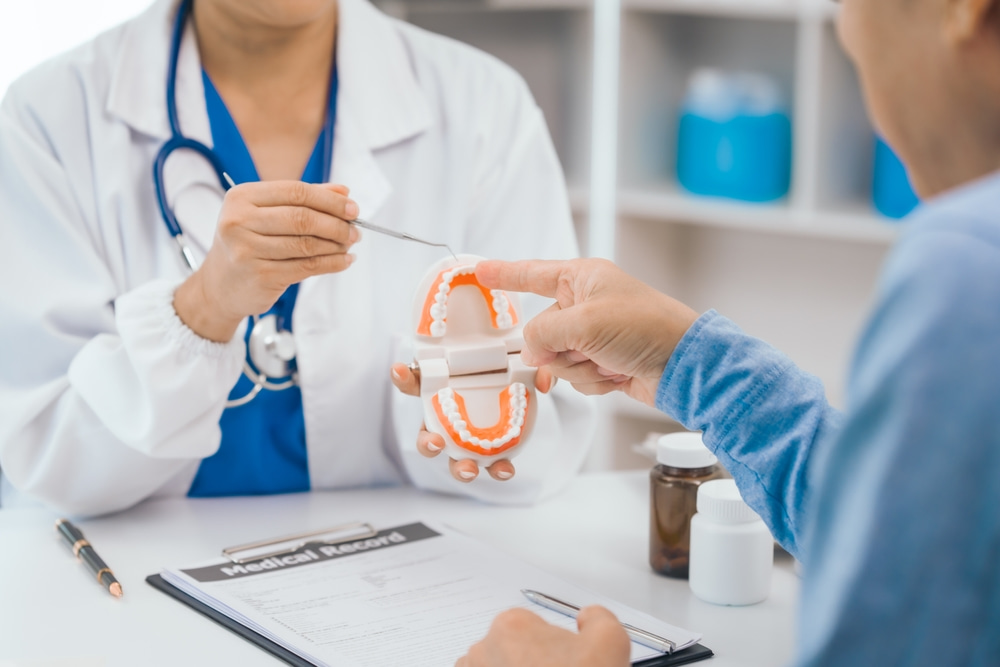
How does recovery look after a subperiosteal dental implantWhether you’re located in the Temecula Valley or any other community in the neighboring area, Oral specialists at Temecula Center for Dental Implants are your leading experts in all things dental implants. With high-end technologies, esteemed maxillofacial surgeons, and a commitment to making the recovery process as smooth as possible, we’ve become known throughout the region for our transformative dental implant treatments.

If you want to ask anything about the treatment or our team, enquire about your eligibility for dental implants, learn how subperiosteal implants compare to traditional ones, we’re here to provide clarity, outline the process, and make sure you’re comfortable with your options and choices. Get in touch with our team to set up your appointment, and we’ll help you embrace life without holding back once more. Call today!
Subperiosteal Implants vs Traditional Implants: What’s the Real Difference?

04/29/2026

Losing teeth can affect much more than your smile. It can change the way you eat, speak, and feel about your appearance. For many patients, dental implants offer a lasting solution that feels more stable and natural than removable dentures or bridges. But not all implants are the same. If you have been told you may not have enough jawbone for conventional implants, you may also hear that you can look into your options for a subperiosteal implant in Temecula.

While the name is not the easiest to pronounce and can sound confusing at first, this treatment is designed to replace missing teeth and restore confidence to people suffering from a deteriorated jawbone

The real difference between subperiosteal and traditional implants is down to where they are placed, how much bone support is needed, and which patients may benefit most from each approach. Understanding these distinctions can help you feel more informed when discussing treatment with an oral surgeon or implant dentist. Below, we will break down how subperiosteal implants compare with traditional implants, including their design, benefits, limitations, and when each may be recommended.

What are traditional dental implants?

Traditional dental implants are the type most people think of when they hear the word “implant.” These implants are typically made of titanium and are placed directly into the jawbone. Over time, the implant fuses with the surrounding bone through a process called osseointegration. This bond helps create a strong foundation for a dental crown, bridge, or implant-supported denture.

Because traditional implants rely on the jawbone for stability, patients need enough healthy bone volume and density to support placement. If bone loss has occurred after tooth loss, some patients may need a bone graft or sinus lift before treatment can move forward.

What is a subperiosteal implant?

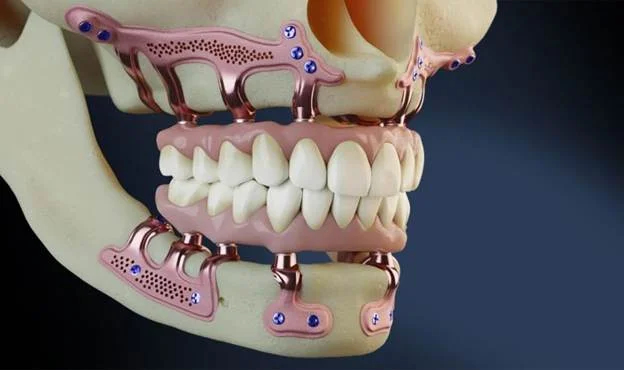
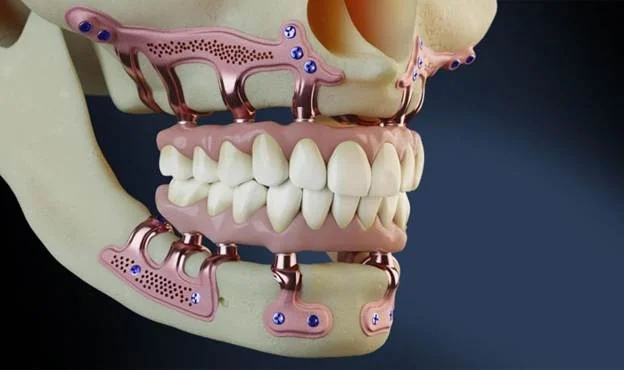
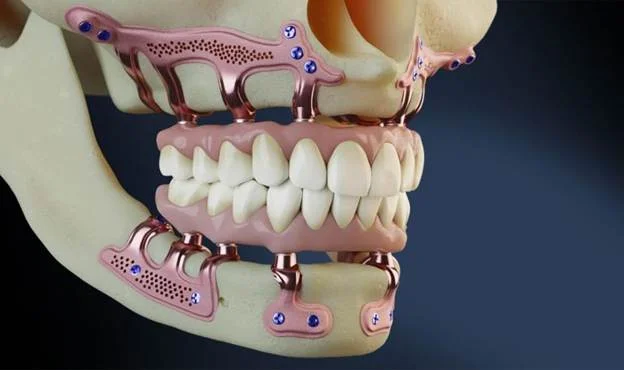
Subperiosteal implants are different in both design and placement. Instead of being inserted into the jawbone, they are placed on top of the bone but underneath the gum tissue. A custom metal framework rests over the jawbone, and posts extend through the gums to support a restoration.

This treatment is generally considered for patients who do not have enough bone height or width for traditional implants and may not be ideal candidates for bone grafting procedures. In many cases, subperiosteal implants are used when significant bone loss has already taken place, especially in the upper or lower jaw, where standard implant placement may be difficult.

Because they sit above the bone rather than inside it, subperiosteal implants offer an alternative for select cases that might otherwise seem too complex for implant rehabilitation.

The main difference: Placement in relation to the bone

The most important difference between these two options is simple:

  • Traditional implants are embedded into the jawbone.
  • Subperiosteal implants rest on the jawbone, beneath the gum.

That difference affects nearly every part of treatment, from planning to healing to candidacy. Traditional implants depend on strong bone integration for long-term support. Subperiosteal implants depend more on their custom dental implant framework and precise adaptation to the shape of the jaw.

This means the choice is not usually about which implant is “better” in a general sense. It is about which one is more appropriate for the patient’s anatomy, oral health, and treatment goals.

Who may benefit from a subperiosteal implant? What is a subperiosteal implant

Subperiosteal implants may be appropriate for patients who:

  • Have experienced advanced jawbone deterioration
  • Are not good candidates for bone grafting procedures
  • Want an implant-supported restoration but lack sufficient bone for conventional implants
  • Need an alternative to removable dentures

This option can be especially meaningful for patients who have been told in the past that they are not candidates for implants. In some situations, subperiosteal implants can make fixed tooth replacement possible without the additional surgical steps needed to rebuild the jawbone.

Differences in treatment planning

Traditional implant planning focuses heavily on the quantity and quality of available bone. Digital scans, X-rays, and clinical evaluation help determine where implants can be placed safely and effectively.

Subperiosteal implant planning is even more customized. Since the implant framework must fit the contours of the patient’s jaw, the design process is highly precise. Modern imaging and digital technology help create a custom dental implant framework tailored to the patient’s anatomy.

This level of customization can be a major advantage in complex cases, but it also means treatment requires a team with the right experience with advanced implant technologies and dental implant surgery.

Healing & recovery

Healing can look different between the two approaches.

With traditional implants, healing often includes a waiting period for osseointegration. This step is important because the implant needs time to fuse with the bone before final restoration. In some cases, temporary restorations may be worn during this period.

Subperiosteal implants do not depend on the same type of bone fusion because they are not placed within the bone. However, the gums and surrounding tissues still need time to heal properly around the framework and posts. Recovery will depend on the extent of surgery, the number of teeth being replaced, and the patient’s overall health.

In either case, following post-operative instructions is essential. Good healing depends on proper oral hygiene, dietary guidance, follow-up care, and avoiding habits that can interfere with recovery.

Long-term function & stability

Traditional implants are known for providing excellent long-term stability when placed in healthy bone and maintained properly. Because they integrate with the jaw, they can feel very secure and function much like natural tooth roots.

Subperiosteal implants can also provide stability and improved function, especially for patients with severe bone loss who have limited alternatives. They may support chewing efficiency, improve comfort, and reduce the movement often associated with removable appliances.

Still, long-term success depends on many factors, including surgical precision, restoration design, oral hygiene, and regular dental care. Neither option is maintenance-free. Patients need ongoing professional monitoring to protect the health of the gums, supporting tissues, and restoration components.

Who can I contact for a long-lasting subperiosteal implant in Temecula, CA?

long-lasting subperiosteal implant in TemeculaNo matter where you’re located in the Inland Empire, Temecula Center for Dental Implants is here to help you feel confident and comfortable every time you sit to enjoy a meal or spend time with your friends and loved ones. With a reputation for putting patients’ long-term wellbeing first, we provide natural-looking, biocompatible dental solutions for people battling with a diverse range of dental conditions. 
Whether you want to enquire about the basics of subperiosteal implants, want to check if you’re a suitable candidate for the treatment, or you just have questions concerning post-surgical recovery, don’t hesitate to come to us with all your doubts and anxieties, and we’ll slowly go over them one by one.

Even if someone told you there is nothing you can do to improve your oral health, let true professionals in oral surgery and prosthetic solutions give you an informed opinion. Don’t lose hope—schedule your visit today!

Subperiosteal Implant Candidacy: What Patients Should Know

04/02/2026

If you have been told that traditional dental implants may not be the best option because of bone loss, you may be wondering whether there is still a way to restore your smile with a stable, long-term solution. This is often where subperiosteal dental implants enter the conversation. While they are not recommended for every patient, they can be an effective treatment option in select cases where conventional implant placement is more difficult.

Subperiosteal implants are often considered in more complex oral surgery cases, especially when a patient has experienced significant jawbone loss. Understanding who may qualify for this treatment can help you ask better questions, prepare for your consultation, and feel more confident about your next step.

Who is a good candidate for subperiosteal implants?

Eligibility for subperiosteal implants depends on more than one factor. A patient’s bone anatomy, oral health, medical history, restorative goals, and overall treatment preferences all play a role. These implants are usually considered when a person needs a more customized approach to tooth replacement and may not be an ideal candidate for conventional implant placement.

Patients with significant jawbone loss

One of the most common reasons subperiosteal implants are considered is advanced bone loss in the upper or lower jaw. Traditional implants typically rely on adequate bone volume and jawbone density for support. When the jaw has resorbed over time after tooth loss, denture wear, trauma, or long-term oral health issues, there may not be enough bone to place standard implants predictably without additional procedures

In these situations, subperiosteal implants may offer an alternative because they are designed around a custom implant framework that fits differently than conventional implant systems.

Patients who want to avoid extensive bone grafting

Some patients are technically candidates for traditional implants, but only after sinus augmentation, ridge augmentation, or other bone grafting procedures. While grafting can be a successful part of implant dentistry, not every patient wants to go through multiple surgeries, a longer healing period, or a more complex treatment timeline.

For this reason, a subperiosteal implant may be discussed as a possible bone graft alternative that provides another path to implant-supported tooth replacement when reducing treatment complexity is a priority.

Patients who have worn dentures for many years

Long-term denture wear can sometimes contribute to gradual changes in the jawbone density over time. Patients who have depended on removable dentures for many years may notice increasing looseness, discomfort, changes in facial support, or trouble chewing certain foods. In some cases, the amount of remaining bone may make standard implant treatment less straightforward.

A patient in this situation may still be eligible for implant-based care, even if the case is more advanced.

Patients seeking improved support for complex restorationsAre subperiosteal implants only for full mouth cases or can they single missing teeth too

Subperiosteal implants are often associated with larger restorative needs, including situations where several teeth or an entire arch may need to be replaced. When a person has extensive tooth loss and reduced bone support, the treatment plan may need to be tailored carefully to restore chewing ability, comfort, and aesthetics.

Patients with healthy gums & manageable overall oral health

Even when bone loss is the main reason for considering a subperiosteal implant, soft tissue health and periodontal health still matter. Healthy gums help support healing after oral surgery and contribute to the long-term success of the restoration. If a patient has untreated periodontal disease, active infection, or significant inflammation, those conditions may need to be treated before implant surgery can move forward.

Patients in good general health for oral surgery

Like other implant procedures, subperiosteal implant treatment involves surgery and healing. Patients should be healthy enough to undergo the procedure safely and recover predictably. Conditions such as uncontrolled diabetes, immune-related disorders, or certain medications may influence treatment timing or healing response.

Patients who understand the value of customized treatment planning

Subperiosteal implants are not usually an off-the-shelf treatment. They require detailed diagnostics, thoughtful planning, and coordination between the surgical and restorative phases of care. Patients who are good candidates are often those who understand that complex tooth replacement should be individualized.

This includes being open to imaging such as CBCT scans, following pre-operative instructions, attending follow-up appointments, and maintaining good oral hygiene afterward.

Why candidacy should never be guessed

It is important not to assume that you are or are not eligible based only on something you have read online. Some patients hear that they have “too much bone loss” and conclude that implants are no longer possible. Others assume they qualify for advanced implant treatment without understanding the surgical and restorative requirements involved.

The most accurate answer comes from a detailed oral surgery consultation with appropriate imaging and diagnosis. In many cases, patients are relieved to learn that they still have options, even if the treatment path looks different from what they first expected.

Are subperiosteal implants only for full-mouth cases, or can they help single missing teeth, too?

Can gum disease or smoking disqualify you from subperiosteal implants

Subperiosteal implants are more commonly discussed in complex cases involving multiple missing teeth or full-arch tooth replacement, especially when a patient has severe jawbone loss. However, treatment recommendations are based on the individual case rather than a simple rule about the number of missing teeth. In select situations, they may also be considered for more limited restorative needs if the anatomy, function, and treatment goals support that approach. The best way to know is through a careful consultation, where your provider can evaluate whether this type of implant makes sense for your specific restorative plan.

Can gum disease or smoking disqualify you from subperiosteal implants?

Yes, both gum disease and smoking can affect whether you are a good candidate, but they do not always mean automatic disqualification. Active periodontal disease can increase inflammation, compromise healing, and raise the risk of complications, so it usually needs to be treated before implant surgery is considered. Smoking can also interfere with blood flow and tissue healing, which may affect surgical recovery and long-term implant stability. In many cases, your provider will evaluate the severity of these factors, discuss whether they can be managed, and explain what changes may be needed before moving forward with treatment.

Where can I find the leading specialist in subperiosteal dental implants in Temecula, CA & the area?

Have you been told that traditional dental implants may not work because of bone loss? Don’t feel despondent, you still have options. At Temecula Center for Dental Implants, we help patients throughout Riverside County with comfortable, long-lasting, and customized subperiosteal dental implants. You can always count on our team to guide you through every step of the process with clear answers, thoughtful planning, and patient-focused care.

If you are armed with questions concerning the ins and outs of subperiosteal treatment, want to learn the benefits of subperiosteal compared to traditional implants, or want to enquire about post-surgical recovery after subperiosteal implants, get in touch with us and we’ll provide all the answers you need. Schedule a consultation with our office today!

Considering Subperiosteal Implants? Questions to Ask at Your Consultation

04/02/2026

If you have been told that you may not have enough jawbone for traditional dental implants, a consultation for subperiosteal implants in Temecula can feel like an important next step. Many patients come in with a mix of hope, uncertainty, and questions they are not even sure how to phrase. That is completely normal. A consultation is your opportunity to understand your treatment options and get clear answers about the surgical process, healing timeline, and expected results.

It’s important to understand that subperiosteal implants are different from conventional endosteal implants. They may be a recommended treatment option in cases of advanced bone loss when a patient wants an alternative to more extensive bone grafting procedures. Asking the right questions at your oral surgery consultation can help you feel more confident, informed, and prepared to make a decision that supports your oral health and long-term comfort.

What questions should I ask at a consultation for subperiosteal implants?

A subperiosteal implant consultation in our clinic is much more than a quick overview. It aims to give you a full picture of your condition, your treatment options, and what to expect before, during, and after oral surgery. Posing the right questions can help you understand whether this treatment is appropriate for your needs and whether the treatment plan feels right for you.

Why are you recommending subperiosteal implants instead of traditional implants?

It is helpful to understand why we’re suggesting this approach instead of endosteal implants, bone grafting, or another implant-supported restoration. A good consultation always includes a clear explanation of the reasoning behind the treatment recommendation.

This question can open the door to a helpful discussion about advanced bone loss, oral function, stability, and long-term prognosis.

Questions about imaging, planning & diagnosis

Our patient-centered implant treatment plan begins with careful diagnostics. Because subperiosteal implants require precise design and placement, imaging and surgical planning are an essential part of the process.

Who specializes in natural-looking subperiosteal implants in Temecula, CA & beyonWill I need a CBCT scan or other imaging?

Cone beam computed tomography, often called a dental CBCT scan, is commonly used in implant dentistry to evaluate bone structure, anatomical landmarks, and treatment feasibility. Always ask whether your treatment includes 3D dental imaging and how that imaging will be used to plan the procedure.

This is important because detailed imaging helps us assess the shape of the jaw, determine whether you suffer from advanced bone loss, and how the implant framework can be designed for proper fit and support.

How is the implant designed for my mouth?

Our biocompatible subperiosteal implants are not a generic solution. They are typically planned around the patient’s individual anatomy. Ask how the implant is customized, what technology is used in the design process, and how your provider ensures the framework will fit properly over the jawbone.

This question can also give you insight into how advanced and organized the treatment process is. A well-planned case should include careful digital planning, surgical precision, and coordination between the surgical and restorative phases of care.

Questions about the oral surgery procedure

Understanding the procedure can reduce anxiety and help you prepare mentally and physically. Do not hesitate to ask your oral surgeon to walk you through the process in simple terms.

What happens during the procedure?

Don’t forget to ask for a step-by-step explanation of the surgery. Your provider should explain how the gums are opened, how the implant framework is positioned, how it is stabilized, and what comes next in the healing phase. Even if the explanation includes technical dental terminology, our caring team goes out of their way to make sure they are legally understandable.

Will I be sedated & what type of anesthesia will be used?

Anesthesia and sedation are common concerns for patients preparing for implant surgery. Ask whether your procedure will be performed under local anesthesia, IV sedation, or another form of sedation dentistry. You should also ask what level of comfort to expect and whether someone will need to drive you home after the appointment.

How long will the surgery take?

This is a practical question that can help you plan transportation, time away from work, and recovery support at home. The answer will vary depending on whether the surgery is being done for one area or a larger full-arch tooth replacement.

Questions about recovery and healing

Recovery is one of the biggest concerns patients have, especially when considering a more complex implant procedure.

How long does it take before teeth can be attached?

Some patients assume the final restoration is placed immediately, while others expect a long delay. Ask how the restorative timeline works in your case. You can always count on our team to explain whether you will have a temporary prosthesis, when the final teeth are expected, and what factors may affect healing.

What are the possible risks or complications?

This is an important question in any oral surgery consultation. As an esteemed provider, we always outline possible complications, including infection, healing problems, fit issues, or the need for adjustments. The goal is not to alarm you, but to empower you to make an informed decision.

Questions about long-term function & maintenance

Subperiosteal implants are an investment in your oral health, so it is wise to ask how your results will be maintained over time.

How long can subperiosteal implants last?

Longevity depends on several factors, including oral hygiene, gum health, bite forces, general health, and regular professional care. Ask what kind of long-term outlook you can expect and what habits will help protect the implant and restoration.

How do I care for them at home?

Daily maintenance matters. Ask what oral hygiene tools are recommended, how to clean around the restoration, and how often you should return for maintenance visits. Proper home care supports the health of the surrounding gum tissue and helps reduce the risk of peri-implant complications.

Who specializes in natural-looking subperiosteal implants in Temecula, CA & beyond?

Considering subperiosteal implants questions to ask at your consultation

Whether you’re located near the Sommers Bend Sports Park or you live on the opposite side of town, the Temecula Center for Dental Implants is the top-rated dental facility in your area. Our respected maxillofacial surgeons and their caring support team will help you understand your options and provide clarity on candidacy, imaging, surgical planning, recovery, and long-term results.

Want to know whether you qualify as a candidate for subperiosteal implants? Not sure about the difference between subperiosteal and traditional dental implants? Looking to learn more about the recovery process after inserting subperiosteal implants? Don’t hesitate to give us a call for all these questions, as well as any other queries you have. We are here to help you move forward with confidence and a better understanding of your next steps. Call us today!