If you have been told that traditional dental implants may not be the best option because of bone loss, you may be wondering whether there is still a way to restore your smile with a stable, long-term solution. This is often where subperiosteal dental implants enter the conversation. While they are not recommended for every patient, they can be an effective treatment option in select cases where conventional implant placement is more difficult.
Subperiosteal implants are often considered in more complex oral surgery cases, especially when a patient has experienced significant jawbone loss. Understanding who may qualify for this treatment can help you ask better questions, prepare for your consultation, and feel more confident about your next step.
Who is a good candidate for subperiosteal implants?
Eligibility for subperiosteal implants depends on more than one factor. A patient’s bone anatomy, oral health, medical history, restorative goals, and overall treatment preferences all play a role. These implants are usually considered when a person needs a more customized approach to tooth replacement and may not be an ideal candidate for conventional implant placement.
Patients with significant jawbone loss
One of the most common reasons subperiosteal implants are considered is advanced bone loss in the upper or lower jaw. Traditional implants typically rely on adequate bone volume and jawbone density for support. When the jaw has resorbed over time after tooth loss, denture wear, trauma, or long-term oral health issues, there may not be enough bone to place standard implants predictably without additional procedures
In these situations, subperiosteal implants may offer an alternative because they are designed around a custom implant framework that fits differently than conventional implant systems.
Patients who want to avoid extensive bone grafting
Some patients are technically candidates for traditional implants, but only after sinus augmentation, ridge augmentation, or other bone grafting procedures. While grafting can be a successful part of implant dentistry, not every patient wants to go through multiple surgeries, a longer healing period, or a more complex treatment timeline.
For this reason, a subperiosteal implant may be discussed as a possible bone graft alternative that provides another path to implant-supported tooth replacement when reducing treatment complexity is a priority.
Patients who have worn dentures for many years
Long-term denture wear can sometimes contribute to gradual changes in the jawbone density over time. Patients who have depended on removable dentures for many years may notice increasing looseness, discomfort, changes in facial support, or trouble chewing certain foods. In some cases, the amount of remaining bone may make standard implant treatment less straightforward.
A patient in this situation may still be eligible for implant-based care, even if the case is more advanced.
Patients seeking improved support for complex restorations

Subperiosteal implants are often associated with larger restorative needs, including situations where several teeth or an entire arch may need to be replaced. When a person has extensive tooth loss and reduced bone support, the treatment plan may need to be tailored carefully to restore chewing ability, comfort, and aesthetics.
Patients with healthy gums & manageable overall oral health
Even when bone loss is the main reason for considering a subperiosteal implant, soft tissue health and periodontal health still matter. Healthy gums help support healing after oral surgery and contribute to the long-term success of the restoration. If a patient has untreated periodontal disease, active infection, or significant inflammation, those conditions may need to be treated before implant surgery can move forward.
Patients in good general health for oral surgery
Like other implant procedures, subperiosteal implant treatment involves surgery and healing. Patients should be healthy enough to undergo the procedure safely and recover predictably. Conditions such as uncontrolled diabetes, immune-related disorders, or certain medications may influence treatment timing or healing response.
Patients who understand the value of customized treatment planning
Subperiosteal implants are not usually an off-the-shelf treatment. They require detailed diagnostics, thoughtful planning, and coordination between the surgical and restorative phases of care. Patients who are good candidates are often those who understand that complex tooth replacement should be individualized.
This includes being open to imaging such as CBCT scans, following pre-operative instructions, attending follow-up appointments, and maintaining good oral hygiene afterward.
Why candidacy should never be guessed
It is important not to assume that you are or are not eligible based only on something you have read online. Some patients hear that they have “too much bone loss” and conclude that implants are no longer possible. Others assume they qualify for advanced implant treatment without understanding the surgical and restorative requirements involved.
The most accurate answer comes from a detailed oral surgery consultation with appropriate imaging and diagnosis. In many cases, patients are relieved to learn that they still have options, even if the treatment path looks different from what they first expected.
Are subperiosteal implants only for full-mouth cases, or can they help single missing teeth, too?
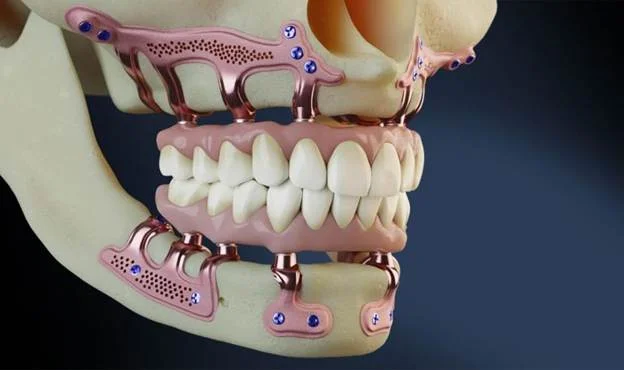
Subperiosteal implants are more commonly discussed in complex cases involving multiple missing teeth or full-arch tooth replacement, especially when a patient has severe jawbone loss. However, treatment recommendations are based on the individual case rather than a simple rule about the number of missing teeth. In select situations, they may also be considered for more limited restorative needs if the anatomy, function, and treatment goals support that approach. The best way to know is through a careful consultation, where your provider can evaluate whether this type of implant makes sense for your specific restorative plan.
Can gum disease or smoking disqualify you from subperiosteal implants?
Yes, both gum disease and smoking can affect whether you are a good candidate, but they do not always mean automatic disqualification. Active periodontal disease can increase inflammation, compromise healing, and raise the risk of complications, so it usually needs to be treated before implant surgery is considered. Smoking can also interfere with blood flow and tissue healing, which may affect surgical recovery and long-term implant stability. In many cases, your provider will evaluate the severity of these factors, discuss whether they can be managed, and explain what changes may be needed before moving forward with treatment.
Where can I find the leading specialist in subperiosteal dental implants in Temecula, CA & the area?
Have you been told that traditional dental implants may not work because of bone loss? Don’t feel despondent, you still have options. At Temecula Center for Dental Implants, we help patients throughout Riverside County with comfortable, long-lasting, and customized subperiosteal dental implants. You can always count on our team to guide you through every step of the process with clear answers, thoughtful planning, and patient-focused care.
If you are armed with questions concerning the ins and outs of subperiosteal treatment, want to learn the benefits of subperiosteal compared to traditional implants, or want to enquire about post-surgical recovery after subperiosteal implants, get in touch with us and we’ll provide all the answers you need. Schedule a consultation with our office today!

 Will I need a CBCT scan or other imaging?