What are the Advantages of All-on-4 Compared to Snap-In Dentures?

01/27/2026

All-on-4 and snap-in dentures both aim to solve the same problem: replacing several missing teeth with a comfortable and natural-looking solution. But this is where the similarities end, and snap-ins always lose when compared to high-quality dental implants in Vista, CA. 

If you’ve worn traditional dentures, you probably know all about their downsides, from sore spots and discomfort to a constant dread of whether they will move when eating or talking. If we take all this into account, it becomes clear that All-on-4 implants represent a serious upgrade that can transform your quality of life.

Looking for an all-on-4 vs snap-in dentures comparison? Well, we think that this is not a relevant dilemma, and the experiences of our patients and peers seem to back us up. In today’s article, we aim to settle this once and for all and show all the advantages of dental implants compared to snap-in dentures.

What is the difference between All-on-4 & traditional dentures?

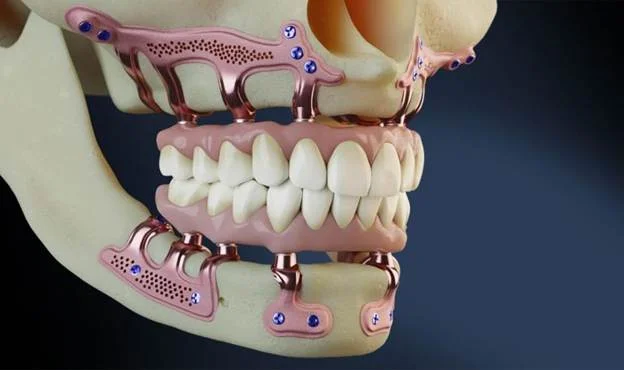
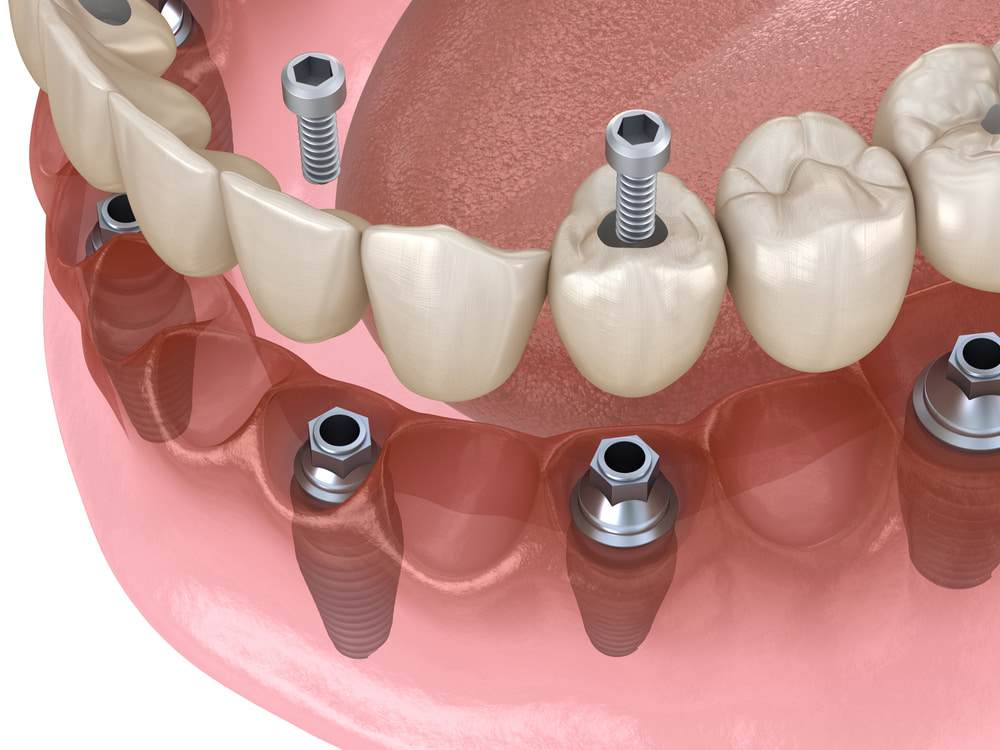
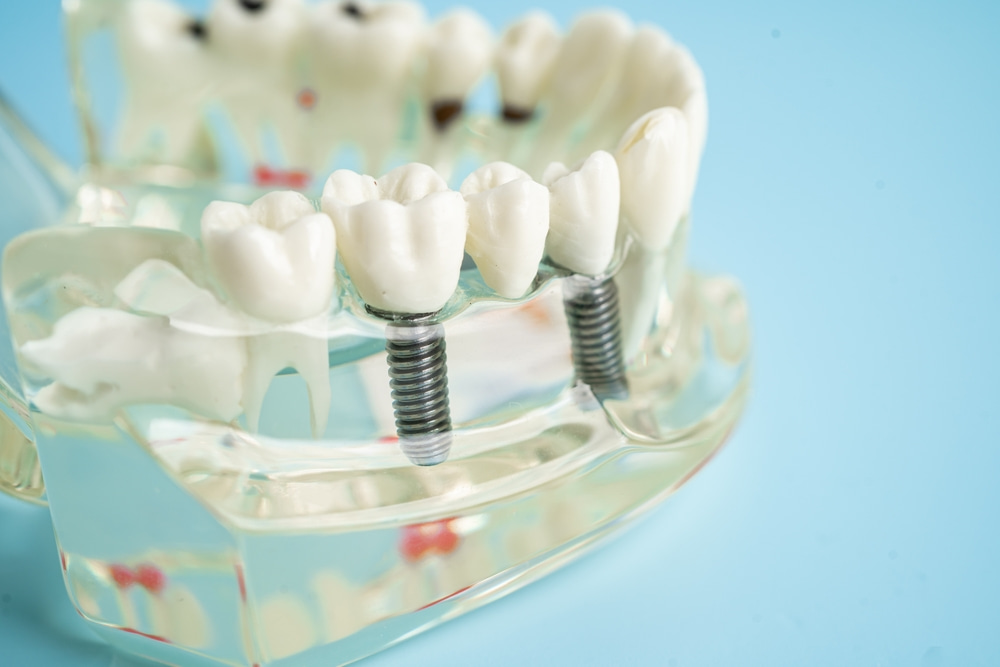
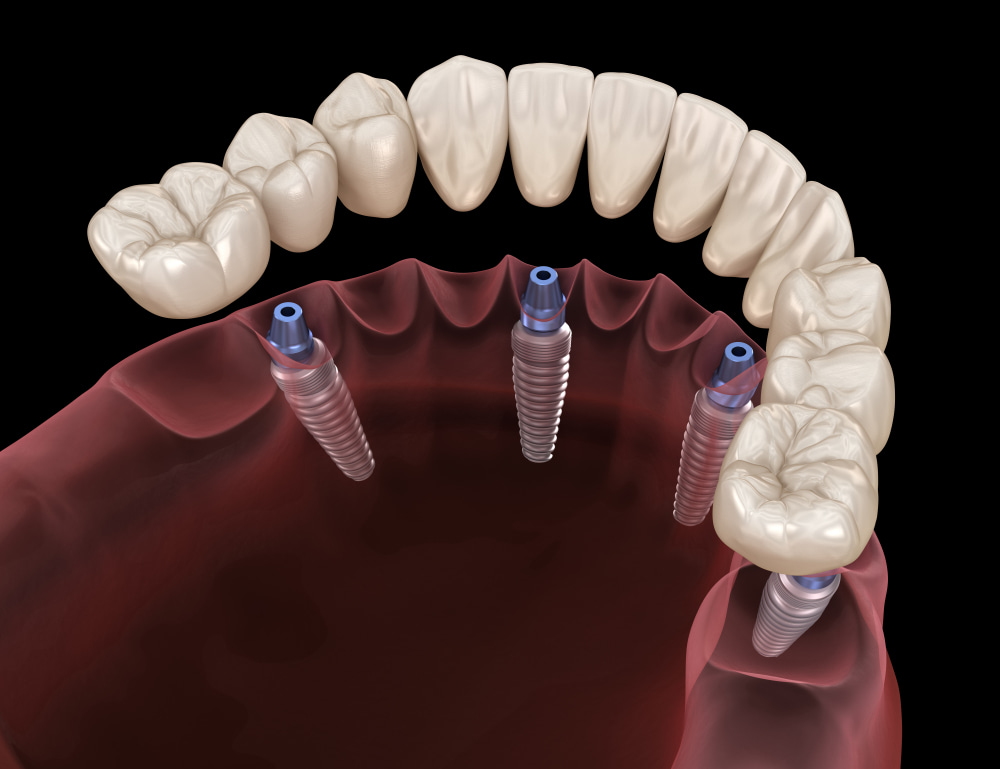
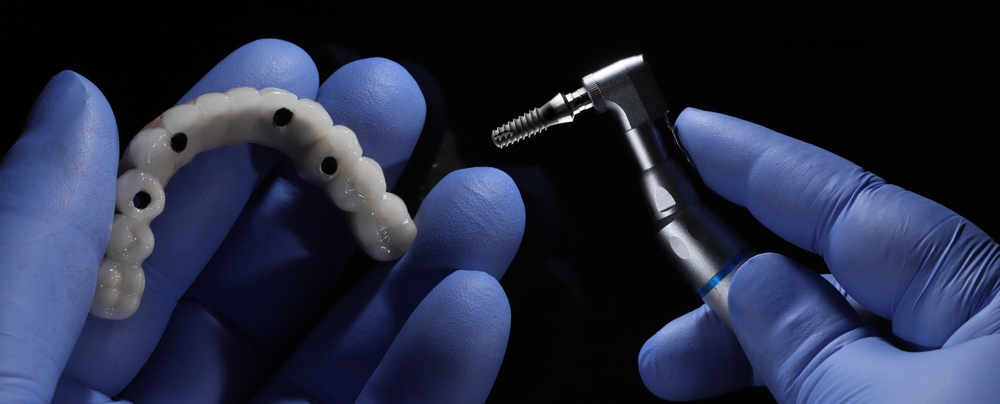
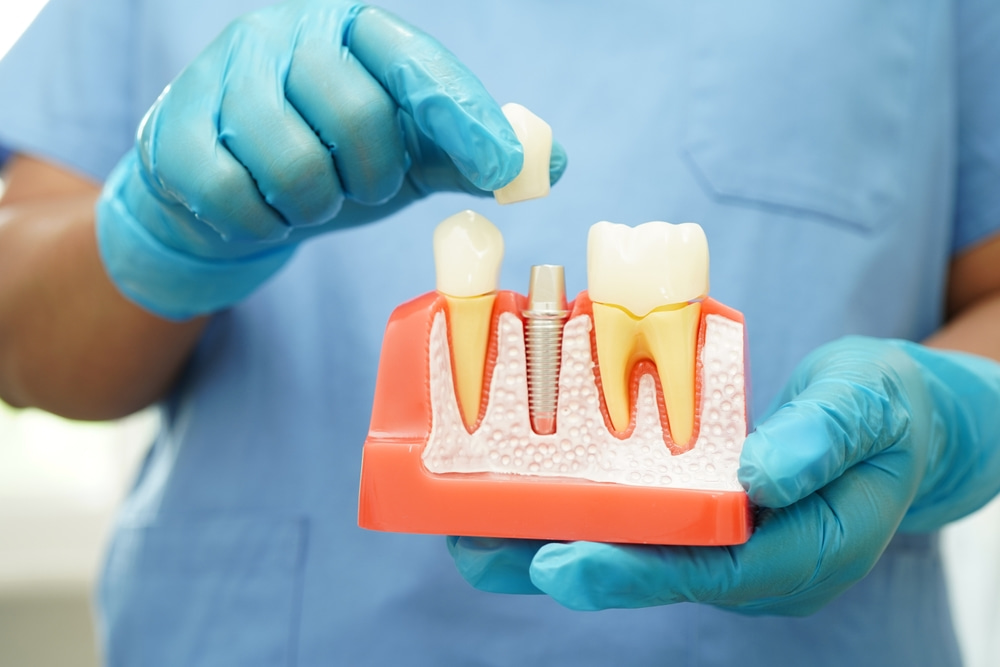
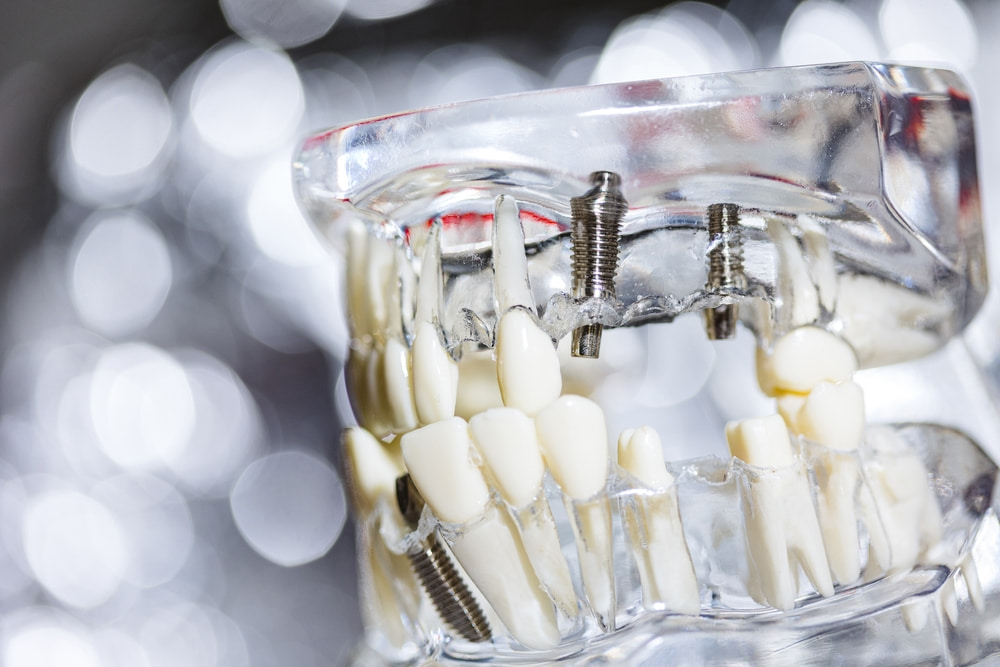
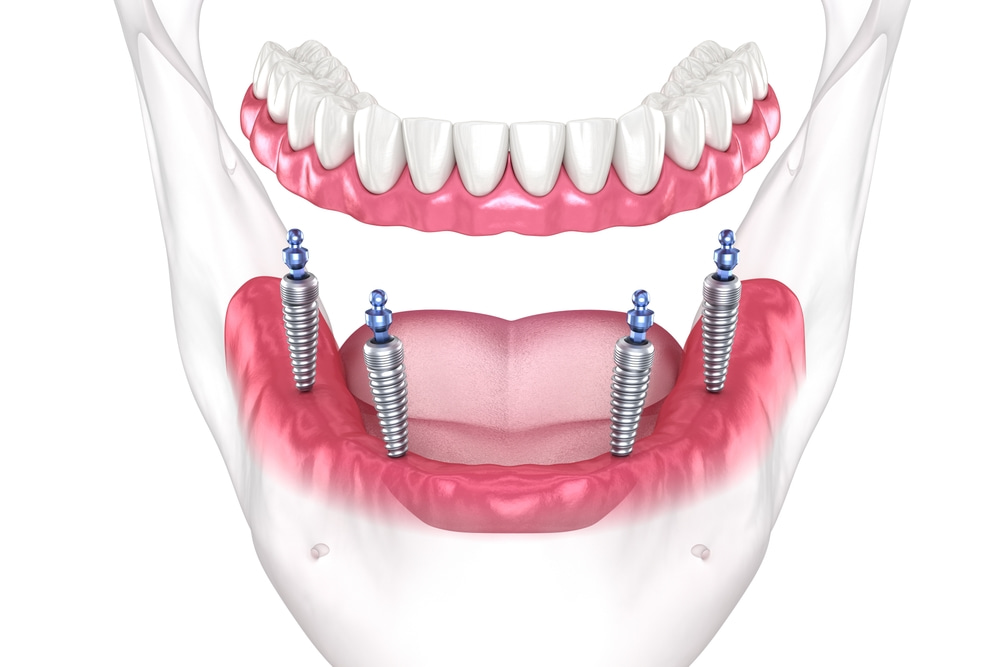
Traditional dentures rest on gums and rely on suction power, adhesives, and the shape of the ridge to stay in place. All-on-4, on the other hand, offers a full arch restoration by inserting 4 angled implants directly into the jawbone. While snap-ins can lead to slipping and discomfort, and the jawbone keeps changing over time, dental implants offer a stable foundation that doesn’t exert so much pressure on your gum tissue.

Are All-on-Four implants better than dentures?

Besides being anchored more firmly and built to last a lifetime, All-on-4 offers numerous other advantages that can significantly elevate your daily experience and simplify your routine. Whether you’re interested in a more natural look and feel, stronger bite force when eating firm foods, or you’re tired of taking out and cleaning your dentures, the reasons to choose All-on-4 are many

Here’s how and why dental implants stand apart:

1. A truly fixed solution

As we’ve mentioned already, maybe the most noticeable difference is that All-on-4 implants are fixed and not meant to be removed. That means you don’t have to take them out at night, snap them off for cleaning, or worry about the base shifting under excess pressure. This makes biting and chewing feel more natural, strong, and comfortable. 

2. Better stability = more chewing force

What is the difference between All-on-4 & traditional denturesSnap-in dentures sit still against soft gum tissue, and no matter how well crafted, the snap mechanism allows small amounts of movement during chewing. While that movement may seem minor, it’s enough to cause sore spots, trap food, and lead to persistent snap-in dentures gum irritation issues over time. All this is not an issue with dental implants. All-on-4 distributes bite force equally through the implants to reduce pressure on the gums and make the bite much more forceful while feeling natural. This advantage of dental implants becomes even more pronounced when eating steak or crunchy foods with All-on-4.
3. A lot less maintenance & wear

Snap-ins use attachments that wear down over time. While these parts can be tightened, relined, or replaced, they just add to more visits to the dentist that we all want to avoid. All-on-4 dental implants are not maintenance-free, but neither are your natural teeth. In fact, upkeep on dental implants is in many ways similar to what you would do for your teeth. This means regular cleaning, good hygiene habits, and occasional checkups at the dentist.

4. Improves jawbone health

One of the biggest drawbacks of traditional dentures is that they don’t stimulate the jawbone, and it will slowly start to deteriorate. Since dentures rest on gums, your bone starts feeling useless and continues shrinking over time. This can change your facial shape, reduce bridge height, and affect your appearance and oral health. On the other hand, All-on-4 implants are placed to maximize bite force and transfer load distribution through the implants onto your jawbone while you’re eating. This will preserve your facial structure and oral wellbeing.

5. Fewer pressure points & less irritation

Speaking of force, constant pressuring of your gum tissue can create friction. If the base is not perfectly aligned with the anatomy of your mouth, sore spots can start appearing as early as the adaptation period. Relining will help, but it’s a cycle you wish to avoid. With All-on-4, the prosthesis is implant-supported, so patients feel less rubbing and more comfort with every bite. They also feel and look more natural while you’re talking. This is a significant benefit that greatly improves your daily life and leads to less discomfort and everyday concerns.

6. Mimics the look of your natural teeth

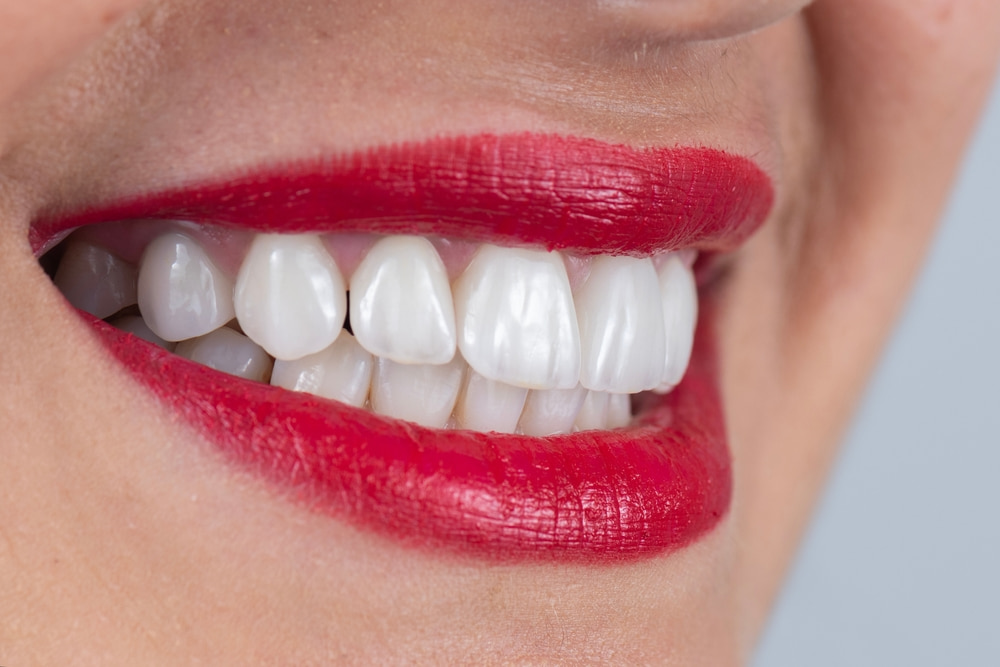
One of the advantages that snap-in dentures can’t match is the aesthetic appearance. Some patients don’t like handling their dentures, feel awkward displaying them during social interactions, and even lose confidence or self-esteem when their peers become aware that they have snap-ins. Since All-on-4 dental implants are anchored and you don’t have to remove them, they don’t feel or look like prosthetics. In addition, with modern techniques and high-quality materials on offer at our clinic, we can design implants that match the shape, size, and tone of your natural teeth so you won’t have to worry about their appearance or attracting the wrong kind of attention while socializing. 

Where can I get biocompatible dental implants in Vista, CA?

biocompatible dental implants in Vista, CAAre you looking to get rid of your clunky snap-ins? Do you have sore spots you just can’t ignore anymore? Are you tired of the maintenance and hassle that come with dentures? Come to Temecula Center for Dental Implants, and we’ll give you a new lease of life with the latest and the best that oral medicine has to offer—natural-looking All-on-4 dental implants.
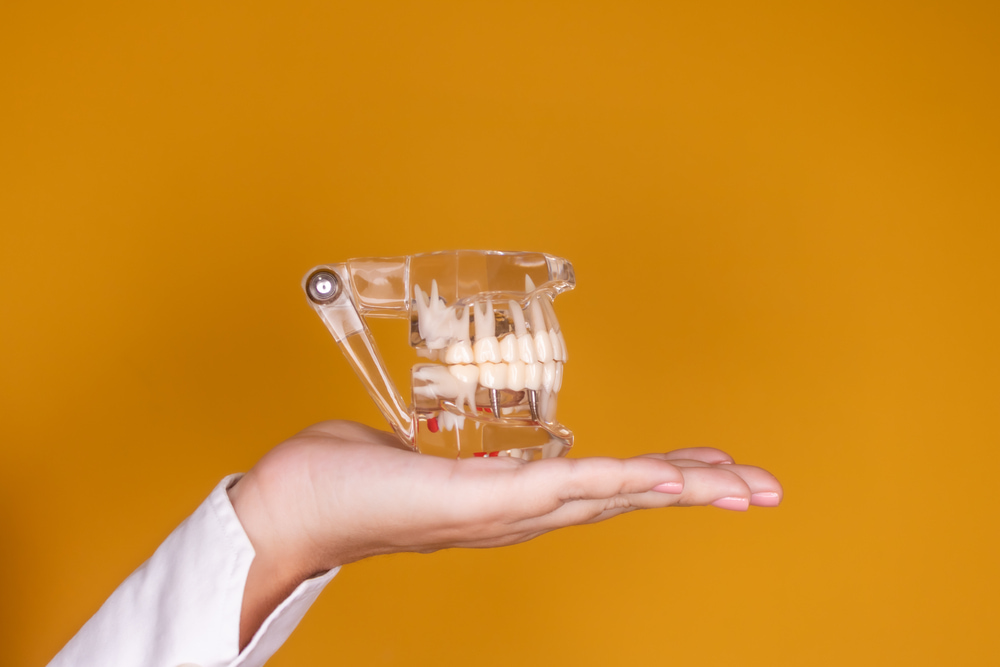
As the leading oral health clinic in your area, from Rancho Guajome Adobe on the north to the south side and beyond the town limits, we’re here to help you anyway we can. If you have questions or concerns that need answering, we’re glad to offer help and guidance. Want to learn what to expect from our free implants consultation, what is osseointegration and why it matters, or which medical conditions disqualify you from All-on-4? Just go ahead and call or book your free initial assessment today!

What to Expect During Your Initial All-on-4 Implants Consultation

01/27/2026

Every visit to the dentist can feel a little intimidating, and a consultation for All-on-4 dentures in Vista, CA, is no different. This is especially true if you’re visiting the dental office for the first time or you tend to feel anxious before medical appointments in general. Fear of the unknown is one of the major drivers of dental anxiety, so we’ve decided to introduce much-needed familiarity in today’s post. We’ll outline the process to help our patients shed the stress from the unexpected.

If you’re one of those who’ve been putting off a visit to our office because you’re afraid of what happens behind the scenes, today’s article is the best way to become familiar with the process and what you can expect from the leading specialists in our cutting-edge dental clinic. Let’s see what happens when you walk through our door for your initial consultation.

How much do dentist consultations cost?

While a typical dental implant consultation cost usually ranges between $80 and $400, at Temecula Center for Dental Implants, you’ll get one completely FREE. Some dental clinics bundle the cost into a patient exam or just add it to the final bill without mentioning it from the start. We, on the other hand, believe in full transparency and offer all our new patients free initial evaluations to get the process started professionally and without delay. 

How long does a dental consultation take?

What happens during an implant consultationOk, now that we’ve addressed the consultation fee, or lack thereof in our case, it’s time to move on to the All-on-4 consultation timeline and the next steps. Most evaluations take around 30 minutes, but they can extend to a full hour, depending on the case and the patient’s medical history. Consultations for dental implants typically include 3D imaging, diagnostics, and a discussion with the patient. X-rays or a cone beam scan can add to the overall consultation timeline. Keep in mind that your assessment may take longer if you have gum concerns or a complex medical history.

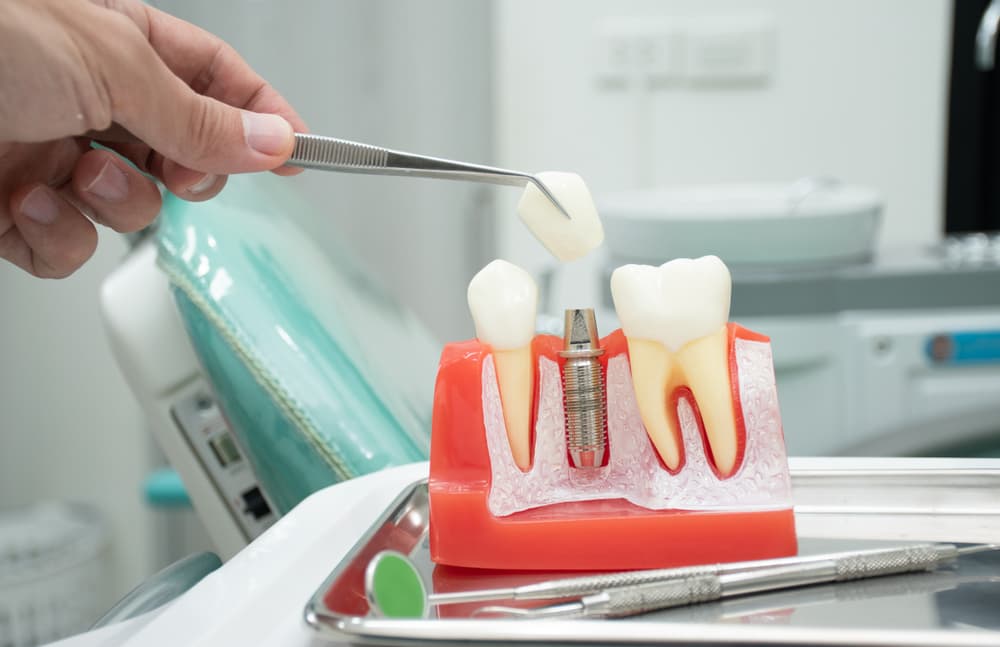
What happens during an implant consultation?

The whole point of your initial visit is to get to know your medical record and learn about your dental health history, so we can determine whether you’re the right candidate for All-on-4 dental implants. The more we know about your condition, the better we’re able to match the right treatment plan with your needs. We create personalized plans based on the specific condition of our patients, so getting to know you is a crucial part of matching you with the right treatment procedure. 

Below is what you can expect, step by step:

1. Thorough examination of teeth, gums & bone structure

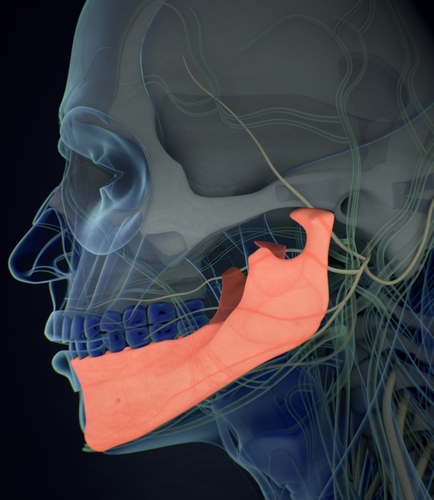
We start with a hands-on evaluation of your oral health. It’s not enough to look at gaps where your teeth are missing. We have to check the nearby tissue and teeth, inspect your bite, and look for signs of inflammation, gum disease, or infection. Bone structure is also important because All-on-4 implants go directly into the jaw, so we have to make sure you have enough bone density to support the procedure.

2. Detailed X-ray & cone beam scan

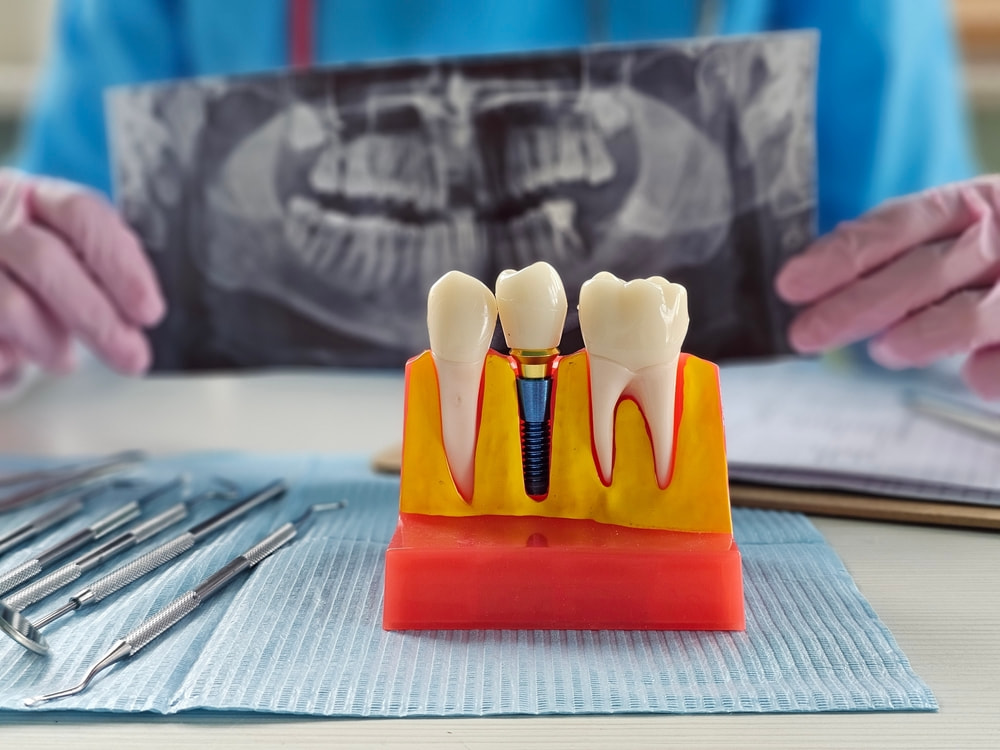
Once we’ve gotten to know your oral health, it’s time to take a look at how things stand underneath the surface. X-rays will show your teeth roots, bone density, and potential hidden issues like infections. A cone beam CT scan provides a detailed 3D image of your oral anatomy, helping us plan precise implant placement. CT scans provide greater detail, enabling us to plan a guided placement and avoid critical anatomical structures like nerves and sinuses during implantation.

3. One-on-one talk about your medical record

Since All-on-4 treatment is a surgical procedure, we need to know more about your overall health and medical history. This helps us understand how your body will heal, detect any potential infection risks, and plan a safe surgical procedure. Dental history is important too. Past gum disease, frequent cavities, teeth grinding, and previous dental work will all influence how you respond to treatment and the best way to proceed. All this information helps us plan and create a treatment plan that minimizes the risk of complications and leads to a smooth recovery.

4. Talk about the ongoing treatments & meds

This is one step that some underestimate, but we never take lightly. Certain medications can affect bleeding and healing, so we need to have a full picture of any treatment you’re currently taking. For example, if you’re on blood thinners, we’ll need to consult your physician. Some osteoporosis medications can influence bone healing, which is a big part of successful dental implantation. Don’t forget to mention supplements or any other over-the-counter products you’re taking because they can matter too.

5. Address your questions & fears

If you feel anxiety about All-on-4 implants and dental procedures in general, or need some questions answered, now is the time to open up to our team. We prioritize patients’ comfort at our clinic, so we’ll do everything we can to make you feel at ease at Temecula Center for Dental Implants. We’ll outline sedation options, talk you through the after-surgical procedures, and introduce the basics of aftercare.

6. Help you make an informed decision

We want to place all the information you need to make the best treatment choice, which not only addresses your immediate issues but takes your long-term wellbeing into account. We’ll discuss the All-on-4 treatment, what makes you a good candidate, and why we think it’s the best option for you. Once we have your All-on-4 treatment plan explained, we’ll delve into finer details, including the number of visits, the overall treatment duration, and potential risks in your case, to help you get the full picture of the process you’re embarking on.

7. A look at the aftercare & recovery 

While most people only want to know how long the recovery takes and what they can eat, we’ll make sure to explore your aftercare in greater detail. We’ll address the first few days after surgery, introduce the basics of osseointegration, and tell you how to manage swelling, pain, and what to do in case of bleeding. Our specialists will also give you instructions on oral hygiene, which activities to avoid and for how long, and talk about the diet and foods that are recommended to avoid exerting pressure on the surgical area.

Which oral clinic specializes in high-quality All-on-4 dentures in Vista, CA?

high-quality All-on-4 dentures in Vista, CA

Whether you’re located close to Alta Vista Botanical Gardens, some other part of town, or anywhere else in the nearby areas, the Temecula Center for Dental Implants is your top-rated team of oral health experts. With experienced maxillofacial surgeons, the latest technologies that aid treatment, and a caring support staff, we’ll go above and beyond to make the process stress-free.

If you want to discuss the advantages of All-on-4 compared to classic dentures, learn about osseointegration and its role in implants, or discover who isn’t a good candidate for dental implants, feel free to turn to us directly and we’ll provide all the answers you need.

Time to stop approaching every meal and get-together with your friends and family with anxiety. Schedule your free consultation at our state-of-the-art dental clinic today!

6 Benefits of All-on-4 Dental Implants on Jawbone Health

01/08/2026

Losing teeth is a significant change that affects much more than just your smile. Your jawbone needs the steady pressure of chewing to remain strong and retain its original shape. Without that stimulation, the bone shrinks over time. This can affect your bite, the way dentures fit, and even your overall facial appearance.

High-quality All-on-4 implants in San Marcos, CA, are designed to replace a full arch of teeth using four carefully placed dental implants to create a secure foundation that feels far more natural than traditional dentures. While most people think of implants in terms of improved confidence and comfort in everyday situations, they play a key role in preserving oral health, and specifically protect the jawbone density and shape.

In today’s article, we look at why bone loss tends to follow tooth loss and explore the benefits of all-on-4 dental implants for jawbone preservation to illustrate why All-on-4 is a superior solution for healthier bone and oral wellbeing than traditional dentures.

Can missing teeth cause jaw problems?

Can missing teeth cause jaw problemsLike most things in a human organism, the jawbone isn’t static—it’s a living tissue. It’s constantly adjusting and remodeling itself in response to our habits and how we use it. Natural teeth transfer chewing force into the bone: ‘Keep this bone strong, we still need and use it every day.’
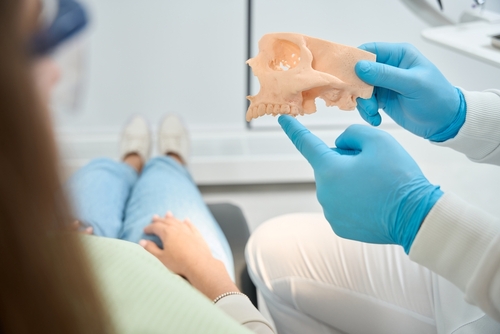
Once teeth are gone, that pressure and root-based stimulation disappear. Our body interprets this as a loss of function and starts breaking down the bone because it’s no longer needed.

If left untreated, the bone loss adds up and creates a domino effect. The ridge that used to hold the teeth becomes thinner, narrower, and shorter. This, in turn, causes changes to the gumline, and the lower part of your face starts looking ‘collapsed’ due to a lack of support.

In practical terms, less bone makes all future dental treatments more complicated because it gives your dentist less structure to work with.

The main point is this: you shouldn’t wait too long to replace missing teeth, or you risk serious jawbone issues and general oral health complications. 

Do regular dentures cause bone loss?

Traditional dentures sit on top of gums and rely on suction, adhesives, and the dental ridge to stay in place. While they can improve appearance and help with eating and speaking, they don’t replace tooth roots. This means they can’t mimic your original teeth and deliver the kind of pressure and stimulation your jawbone needs to stay strong and healthy.

This is the main reason why people who wear dentures for a long time notice that the fit changes as the years go by. Dentures start feeling loose and uncomfortable, in some cases, slipping and requiring frequent relines. Many patients then find themselves in a vicious cycle: bone shrinks, dentures fit worsens, and adjustments become routine.

How do all-on-4 implants prevent jawbone loss?

Instead of placing an implant for every missing tooth, All-on-4 implants are strategically placed in key areas of the mandible to support a full set of fixed replacement teeth. The front pair of implants is usually placed more vertically, while the back pair is angled to maximize contact with the available bone for greater stability.

Because implants support a firmly fixed arch of replacement teeth, they don’t sit on gums like removable dentures do. This not only feels more like natural teeth and ensures a stable bite, but it also provides enough pressure and stimulation to the jawbone to preserve its structural integrity.

What are the key benefits of All-on-4 dental implants?

Placement, design, and function introduce numerous benefits of all-on-4 dental implants for jawbone preservation compared to traditional dentures. All-on-4 also avoids many of the issues associated with traditional dentures, like instability, sore spots, and lack of structural support for facial tissues.

1. Restores the stimulation your jawbone needs

If we compare all-on-4 vs dentures for maintaining jawbone density, one of the biggest benefits is biomechanical. Since implants are anchored directly in the bone, the pressure is transferred into the jaw when you chew. This mimics the normal function of natural teeth and keeps your bone active and supported. 

While no treatment can guarantee ‘zero’ bone change over time, compared to removable dentures and leaving space where a tooth once was, implants significantly slow the rate of bone loss.

2. Helps preserve the alveolar ridge

After tooth loss, the alveolar ridge (the part of the jawbone that holds teeth) can shrink significantly. All-on-4 dental implants help stop bone resorption by providing anchored support that preserves ridge integrity and gives the bone something to ‘work around.’

Keeping the ridge healthier isn’t just about appearance. It also supports the gums better and contributes to increased bite stability over time.

3. Reduces constant pressure on gums & ridge

Since removable dentures rely on soft tissue and the alveolar ridge for support, it can lead to denture compression from dentures pressing too hard. With firmly fixed All-on-4’s, there is no danger of this. Since it’s attached to implants, it doesn’t press down on the gums during chewing.

The difference is less rubbing, fewer sore spots, less discomfort, and more ease in day-to-day situations, especially for people struggling with denture movement.

4. Provides better bite stability

When your dentures feel loose, it’s hard to enjoy care-free meals and chew normally. In those cases, people tend to compensate and avoid certain foods, chew on one side, or reduce their bite force. This is not only frustrating as it affects your diet and prevents you from enjoying your favorite foods, but it also leads to an uneven strain in the jaw, which brings us back to the problem of an unstimulated jawbone that leads to bone loss.

Built for stability, a strong bite, and more natural chewing patterns, All-on-4 dental implants help stop bone resorption. When chewing feels normal, it becomes more symmetrical and delivers consistent, healthy pressure to the bone.

5. Supports facial structure over time

Many people are surprised to learn just how much jawbone loss can change their facial appearance. As the bone shrinks, the lower face starts losing support. The distance between the nose and chin shortens and the lips lose support as the bone loses volume. While this is alarming, it’s not simply an aesthetic concern. It’s also a structural problem tied to jawbone density and overall health.

All-on-4 implants prevent jawbone loss by preserving the underlying support that keeps the face looking fuller and healthier. Restored bite height plays a role in avoiding the ‘sunken’ appearance that can happen to individuals wearing dentures.

6. Prevents the need for bone grafting

When tooth loss is left untreated, progressive bone loss can limit future implant placement options. Once their jawbone deteriorates beyond a certain point, patients may require bone grafting to rebuild volume before dental implants can be placed. All-on-4 is often placed strategically to maximize available bone density and eliminate the need for grafting.

That being said, timing matters, so it’s highly recommended that you contact our specialists as soon as tooth loss occurs. The sooner missing teeth are replaced with All-on-4 implants, the more bone you’ll be able to preserve.

Who should I call for reliable All-on-4 implants in San Marcos, CA?

Do regular dentures cause bone lossIf you’re facing tooth loss or you want to upgrade your traditional dentures, All-on-4 dental implants are a highly effective treatment that can improve your quality of life and confidence. Weighing the advantages of All-on-4 vs dentures for maintaining jawbone density, it’s clear that dental implants offer numerous significant benefits. As the leading oral health clinic in North County, the Temecula Center for Dental Implants combines the rich experience of renowned maxillofacial surgeons with cutting-edge technology. Our compassionate doctors and attentive supporting staff will do everything in their power to outline your options, help you choose the best solution for your long-term health, and support you through every step of the treatment.

If you’re not sure if you’re a good candidate for All-on-4, want to inquire about the serious risk of dental tourism, or have any questions about All-on-4 dental implants, we’ll gladly help you make sense of all this and so much more.

To elevate your day-to-day experience and indulge in your favorite meals with comfort and a care-free smile, book your appointment today!

7 Main Reasons Why You Should Avoid Dental Implant Tourism

01/08/2026

Seen from the vantage point of an average American, it’s easy to see why dental tourism seems so tempting. A quick search turns up glossy ads, with dramatic ‘before and after’ photos, and a promise of exotic locations and overnight stays in unexplored territories. Compared to an average bill for teeth-in-a-day in San Marcos, CA, the advertised prices often seem too good to ignore. The idea of flying somewhere, solving your dental issues, and bringing home a new smile in addition to a few mementos and a story or two to tell, sure feels like an alluring prospect.

But All-on-4 dental implants aren’t something you buy from a tourist brochure. They are serious medical procedures that come with a healing phase, follow-up care, and occasional routine checkups attached. And when, and it’s often when and not if, something goes wrong with your cheap foreign implants, the distance becomes an unbridgeable problem.

In this blog, we delve deeper into the risks of getting dental implants abroad instead of placing their trust in a highly esteemed dental implants specialist backed by experience, top support staff, and the latest medical tools. Let’s sink our teeth into what to know before traveling to another country for dental implants!

What are the dangers of dental tourism?

While most people see the shiny side of dental tourism in an ad, they rarely, if ever, hear about the hidden costs and risks accompanying such procedures. The realization often comes too late when they are already dealing with dental implant tourism complications, unclear warranties, or a local dentist who’s struggling to fix someone else’s botched job. Below are the 10 most common reasons implant tourism can backfire, often with serious consequences.

What are the dangers of dental tourism1. Dental implant procedure is not a one-time appointment
While dental implants are often marketed as a quick makeover with a one-time visit to the dentist, the reality is a bit more complicated than that. Placing the implants takes less than a day, so in that sense, teeth-in-a-day is not a deceiving marketing strategy but a clever one. However, the entire treatment process entails more than just implant insertion. 

High-quality approaches that consider patients’ long-term well-being require medical assessment, planning, surgery, healing, and final restoration. Knowing you can count on your doctor’s support and guidance through all these stages is a crucial aspect of care-free treatment and smooth recovery.

2. Follow-up care isn’t optional—it’s a crucial step

Speaking of smooth recovery, follow-up visits are where your dentist confirms that everything is going according to plan and catches potential issues early. They will check for any infections and minor issues, inspect your gum health, evaluate your bite, and make sure that the implant is stable and integrating with your bone as expected.

When you travel for implants, aftercare is either squeezed into an extremely short window or nonexistent. In some cases, you’re just told to see your local dentist and ask for help if needed later on. In real life, that’s not always simple. Top-tier dentists are too cautious to correct someone else’s mistakes, especially if they lack surgical notes, imaging, and implant system details.

3. Short trips command unrealistic treatment timeframes

Proper implant procedures follow biology, not flight timeliness or calendar pressure. If clinics are trying to fit major surgical work into a one or two-week trip so they can successfully market them abroad, they may need to compress or avoid certain steps to make it work. This is one of the most perilous risks of getting dental implants abroad.

In practice, that can mean placing implants in a bone that should have been grafted first, delivering a final bite before the tissue has fully settled, or turning a blind eye to patient concerns that make them unsuitable for implants in the first place. Sometimes people get lucky, but in most cases, these issues will come back to haunt them in a big way.

4. The planning phase matters more than patients realize

High-quality dental care starts long before implant surgery takes place. Proper planning includes high-end 3D imaging that gives a full picture of the task at hand, careful measurements to ensure a precise fit, and a review of your medical history to select the appropriate treatment path for each patient. 

Ignoring or scaling down on preparation leads to avoidable dental implant tourism complications. Limited timeframe is one of the most worrying aspects of dental services as a business model built on volume. With dentistry, speed isn’t your friend, and rushing things as a rule never leads to better treatment outcomes.

5. Foreign implants may be unfamiliar at home

Here’s one thing that most people are surprised to learn—implants differ, and parts aren’t universal. Different brands use different materials, components, screws, and abutments. If an overseas clinic uses a system your local dentist doesn’t stock, repairs can easily turn into an ordeal.

Even a relatively routine fix like a loose screw or a chipped crown can turn into a headache if replacement parts are unavailable. In worst-case scenarios, you may need to replace the entire prosthesis, eliminating the potential cost-saving aspect of the procedure and leaving you in a real mess.

6. Hidden costs can easily erase the savings

It’s a well-established fact that people tend to focus on the price tag, but that’s rarely the full story. When you add travel, lodging, meals, time off work, and sometimes additional trips, the big price gap quickly narrows for a genuinely risky procedure. All these factors are among the things you need to know before traveling to another country for dental implants.

And that’s just the cost of repairs. Let’s say your bite feels slightly off, or the prosthesis chips, or say your gums become inflamed, or maybe the implant falls off. The corrective work at home, if you even find a reputable doctor who’s willing to do it, can be substantial. The total cost easily ends up higher, and not necessarily because you were scammed but because implant procedures require close professional supervision and occasional checkups.

7. Maintenance is an issue when it’s not nearby

High-quality implants can last a lifetime, but they still need maintenance. Between regular cleanings, exams, and occasional adjustments to keep gums healthy and the bite comfortable, maintenance plays a big part in ensuring the longevity and optimal comfort of your dental implants.

When you opt for a proven local specialist, your dentist knows your history, implant system, and potential risk factors. They can spot small issues early and keep things stable and functional in the long run. That kind of personalized continuity of care is impossible to replicate when your dentist is a plane ride away.

Where can I find the leading specialists in teeth-in-a-day in San Marcos, CA?

teeth-in-a-day in San Marcos, CAVisiting Mexico, Costa Rica, or Colombia is a great choice for a memorable holiday, but for dental treatments, on the other hand, less so. The best way to ensure long-term comfort, functionality, and appearance of your dental implants is to visit the Temecula Center for Dental Implants.
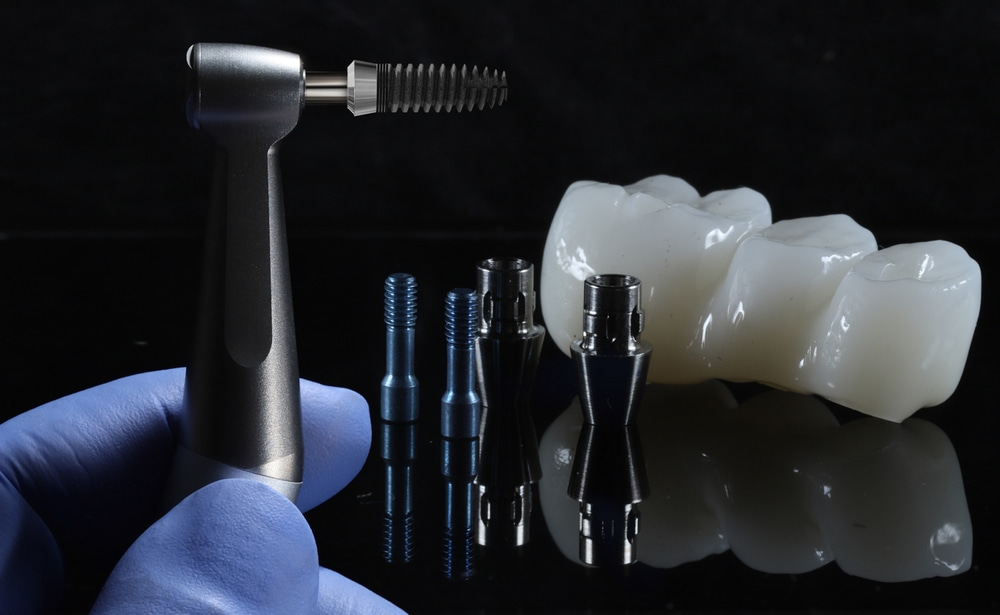
As the top-rated dental facility in the San Diego metropolitan area, we specialize in high-quality All-on-4 implants that match the appearance of your natural teeth and preserve the health of your jawbone for the foreseeable future. We’re known for supporting our patients every step of the way, helping them understand what’s at stake, choose the appropriate treatment, and deliver a precision-guided treatment that minimizes their recovery time and discomfort.

If you want to ask anything about the All-on-4 process in general or learn more about insurance coverage, financing options, or post-treatment diet, don’t hesitate to give us a call. We’re known for going above and beyond to ensure patients’ comfort, ease, and long-term oral wellbeing.

Don’t risk your oral health—make an appointment with the best maxillofacial surgeons today!

All-on-4 Dental Implants: The Most Common Questions Answered

12/02/2025

All-on-4 dental implants have become one of the most popular solutions for replacing an entire arch of teeth because they offer security, comfort, and a natural-looking result without the lengthy, complex process of placing individual implants. Turning to an All-on-4 dentist in San Marcos is a big decision, and most people arrive with a long list of questions. For some, it’s a question of knowing the benefits of the treatment, while for others, it may be related to the All-on-4 dental implants’ lifespan or the cost of the procedure. It’s completely normal that potential patients want to clarify what the treatment involves, as well as the All-on-4 dental implants recovery time. 

Whether someone is weighing their financing options for All-on-4 dental implants or already scheduled for consultation, understanding the basics can make the entire journey more predictable and less stressful. Today’s article answers questions people ask most often and provides insight into what to expect before, during, and after treatment. The goal is to give potential patients the confidence to make informed decisions on what’s best for their long-term oral health.

What questions people ask about All-on-4 dental implants?

With typical questions like, ‘Do All-on-4 implants look natural?’, and numerous queries on the longevity, reliability, and the recovery process, people exploring this treatment usually seek clarity before making a definitive decision. For individuals who’ve struggled with loose or uncomfortable dentures, the most common questions revolve around stability. Potential patients also want to know whether the treatment works with bone loss and whether same-day placement is an option. The cost of treatment is another major topic, which is understandable since All-on-4 implants represent a significant investment, and people want a clear sense of how pricing compares with traditional dentures.

Another important consideration is the experience itself. Many patients want to know what the surgery feels like, how long it takes to recover, and when they will be able to speak, eat, and return to their normal daily functioning. Others want to have a better understanding of the maintenance and oral care required once the implants have healed, and how proper upkeep differs from that of natural teeth.

All in all, people come armed with a lot of questions that all point to the same desire: long-term durability, comfort, and confidence.

How does the All-on-4 process work?

financing options all on 4 dental implants San Marcos

The treatment begins with a full evaluation that often includes 3D digital imaging, review of medical history, and a discussion about the patient’s anxiety and overall treatment goals. Once the dentist confirms candidacy, the next step is treatment planning and scheduling.

Two implants are positioned vertically in front of the arch, where bone density tends to be the strongest, and two are placed at slight angles toward the back. This technique maximizes existing jawbone and often eliminates the need for grafting

Once the implants are placed, a temporary set of teeth is inserted to allow patients to leave the dental clinic with a complete smile. This is one of the biggest advantages of All-on-4: patients don’t have to wait months to have a functioning set of teeth. After the healing period is over, a custom-crafted prosthetic is attached that offers excellent stability and is designed to match the patient’s facial structure and bite for a comfortable, natural feel.

Do All-on-4 implants look and feel natural?

Speaking of natural feel, one of the biggest advantages of All-on-4 is the way the final result mimics the function of real teeth. Because the implants integrate with the jawbone, patients can bite and chew their favorite food with far more stability and confidence than with removable dentures. The custom prosthetic is designed to make All-on-4 implants look natural and complement facial features for a balanced smile that restores patients’ confidence. Patients who once avoided smiling or struggled with speech concerns can leave those worries behind as they adapt to their dental implants.

How long do All-on-4 dental implants last?

With proper care, All-on-4 dental implants lifespan can last for several decades, often a lifetime. The titanium posts fuse with the bone through a process called osseointegration, creating a strong foundation similar to a natural tooth root. In rare cases, the prosthetic teeth may eventually need replacement due to normal wear, but the underlying implants are built for longevity.

It’s important to note that the long-term success of dental implants depends on good oral hygiene and routine maintenance visits. While the teeth attached are robust, the surrounding gum tissues and bone still require attention. Regular cleaning helps keep tissue healthy, and following post-care instructions significantly reduces the risk of complications.

Is the recovery process difficult?

All-on-4 dental implants recovery time usually feels shorter than many patients expect. While mild swelling, tenderness, and pressure are common symptoms in the first few days, they usually subside very quickly. Most people report resuming their normal routine in as little as a week or ten days. Soft-food period can extend to several weeks to protect the implants during the initial healing phase.

The temporary set of teeth placed on the same day helps maintain function and aesthetics throughout recovery. While patients are expected to carefully follow dentists’ guidelines regarding diet and hygiene, the transition tends to be smooth.

Can people with bone loss still get All-on-4 implants?

A major advantage of All-on-4 is that it works for patients with minor to moderate bone loss. Traditional implants often require bone grafting to ensure that the jawbone has enough density for implant placement. The angled placement technique used in All-on-4 supports prosthetics even when bone levels aren’t ideal, allowing many patients to skip grafting entirely. Many patients who weren’t considered eligible for implants will discover that All-on-4 is a viable option for their oral challenges.

How much do All-on-4 dental implants cost?

Pricing depends on the implant quality, materials, and the complexity of each case. That being said, All-on-4 is typically more cost-effective than replacing each missing tooth with individual implants. Because only four implants are needed per arch, patients can save both time and surgical expense, to say nothing of the stress associated with repeated visits to the dentist’s office.

When comparing treatment options and exploring financing options for All-on-4 dental implants, it’s always crucial to consider long-term benefits. All-on-4 provides a stable, permanent, and comfortable solution that reduces the likelihood of costly adjustments and replacements common with traditional dentures.

Which dental clinic provides the best All-on-4 dentist in San Marcos, CA?

best All-on-4 dentist in San Marcos

If you’re located in the city center, San Elijo Hills, or anywhere in the surrounding areas, the Temecula Center for Dental Implants is your top-rated team of maxillofacial surgeons in the area. With years of experience, the latest in dental technologies, and thousands of heartfelt testimonials attesting to our commitment, we specialize in high-quality All-on-4 dental implants. We provide our patients with strong, biocompatible, long-lasting solutions that bring renewed ease and confidence in everyday life situations. 

Our team will help you choose the best treatment and financing option, so you can get everything done efficiently and with less stress. Don’t endanger your long-term well-being with risky dental tourism schemes when the leading dentist is operating in your neighborhood. Contact us to schedule your appointment today!

The Perfect Fit: Who Is the Prime Candidate for All-on-4 Dental Implants

12/02/2025

Losing a few or most of your natural teeth can affect far more than your smile. It can change how you eat, how you speak, and how confident you feel in the usual day-to-day interactions. All-on-4 is the best of all options for full arch tooth loss in adults. They were designed for individuals seeking a strong, permanent solution to traditional dentures. With four strategically placed implants that support a full arch of replacement teeth, All-on-4 dental implants in San Marcos offer patients a stable and reliable bite without an implant for every missing tooth.

Replacing missing teeth with All-on-4 implants is a life-changing event for many adults, but unfortunately, it isn’t right for everyone. In today’s post, we look at who is a candidate for All-on-4 implants. We’ll explore the traits, dental conditions, and lifestyle factors that make a person an ideal candidate for this transformative oral procedure.

Who is a good candidate for All-on-4 dental implants?

While a thorough consultation with a maxillofacial surgeon and a comprehensive examination are needed, including 3D scans, to determine if someone is a suitable candidate, there are 3 baseline conditions that all candidates must meet.

What are the common dental conditions that qualify patients for All-on-4 implants

People faced with significant tooth loss or full-arch extractions

A prime candidate is someone who has lost some or all of their teeth or is facing a full-arch extraction treatment due to advanced dental issues. All-on-4 offers stability and function that traditional dentures just can’t match. Patients who struggle with loose dentures, difficulty chewing, or who feel embarrassed by their slipping devices can experience a profound improvement in their everyday functioning.

Patients with good existing jawbone structure

The best candidates also have enough jawbone density to support implants, even if some bone loss has already occurred. One of the biggest advantages of the All-on-4 design lies in its ability to maximize existing bone by strategically placing implants at specific angles to achieve the best results. This means that patients who were once told they weren’t eligible for traditional implants can still qualify.

Individuals with a stable systemic health

Good overall health is an important factor determining who is a candidate for All-on-4 implants. Potential patients should be healthy enough to undergo oral surgery and have no uncontrolled medical conditions that would interfere with the post-surgical healing process. Beyond basic physical health indicators, prospective candidates looking to replace missing teeth with All-on-4 implants must have the willingness and the discipline to follow aftercare guidelines and a commitment to maintaining long-term oral hygiene.

What are the common dental conditions that qualify patients for All-on-4 implants?

Individuals exploring options for full arch tooth loss in adults often share similar dental histories. Many struggle with extensive tooth decay or gum disease that can’t be corrected through restorative treatments alone. Others have teeth that are severely worn due to grinding, acid erosion, or long-term neglect caused by dental anxiety or poor oral hygiene habits. These conditions can conspire to make day-to-day life frustrating and limit what a person can comfortably eat.

One of the clearest markers that someone could benefit from All-on-4 dental implants is full-arch tooth loss or the expectation of needing multiple extractions. Instead of inserting individual implants that require significant bone volume to remain fixed in place, 4 implants can support an entire arch, making treatment much more accessible to a greater number of patients. Strong candidates are individuals who’ve previously struggled with removable dentures due to poor fit, persistent irritation, or difficulty keeping them fixed in place.

In many cases, people experience concerning jawbone loss after years of living without teeth. While in some cases, severe bone loss may require bone grafting before treatment, the All-on-4 technique can often bypass this issue due to its unique implant placement. The All-on-4 approach allows patients with moderate bone loss to avoid additional procedures.

Lifestyle factors that influence treatment eligibility

The lifestyle and daily habits of people interested in replacing missing teeth with All-on-4 implants also play a big role in the long-term success of the procedure. Non-smokers and people willing to quit smoking before surgery typically report better outcomes, since nicotine reduces blood flow and slows healing. Another important factor in achieving long-lasting results is the ability to maintain consistent dental checkups and practice good oral health. Even though teeth supported by implants aren’t natural, it’s crucial to keep the surrounding gum tissue healthy.

As the best options for full arch tooth loss in adults, All-on-4 implants can make life simpler and more convenient for a diverse group of people. Potential patients who value stability and want a permanent, fixed solution often choose All-on-4 implants because they can help them restore confidence in their social and professional lives. Individuals who enjoy a wide variety of foods appreciate the ability to bite and chew more naturally compared to removable dentures. People who travel frequently or have busy daily schedules benefit from minimal upkeep required once the healing process is complete.

To sum it up

The prime candidate for All-on-4 dental implants is an individual seeking a stable, reliable, natural-looking solution to expensive tooth loss. This revolutionary treatment is, in most cases, a lifelong answer to moderate and severe dental damage. People frustrated with removable dentures can experience a profound transformation in their quality of life with All-on-4 dental implants.

Who specializes in high-quality All-on-4 dental implants in San Marcos, CA?

high-quality All-on-4 dental implants in San Marcos

Whether you’re located in Lake San Marcos or some other part of the community, Temecula Center for Dental Implants is the state-of-the-art facility offering proven solutions to people struggling with oral health issues. Our experienced maxillofacial surgeons and caring team will do everything in their power to make your treatment and recovery as smooth and pain-free as possible. 

If you have any questions concerning the All-on-4 implant procedure, the benefits of implants for long-term jawbone health, or the many risks associated with dental tourism, don’t hesitate to turn to our attentive professionals for answers. Good oral health is crucial for your overall well-being, so don’t postpone the treatment that can elevate your quality of life. Schedule your appointment today!

How Stress Can Impact Your Dental Implant Recovery

11/10/2025

Dental implant surgery is one of the most reliable procedures for replacing missing teeth and restoring full oral function. That being said, some patients in San Marcos visit a dental implant specialist unprepared and uninformed of the importance of emotional recovery after dental implants. Stress and anxiety have a big role in our overall health and can significantly influence numerous aspects of the post-treatment recovery process. Unlike typical anxiety before dental implant surgery, chronic stress is especially dangerous since it can trigger psychological changes that can slow tissue regeneration, reduce immune response, and even heighten the risk of implant failure. 

Today, we shed light on the connection between stress and dental implant healing to help future patients manage stress effectively. Being informed of how stress can cause dental implant failure and the link between cortisol and healing after oral surgery is an essential part of a smooth recovery. Let’s take a closer look at how actively supporting your body and mind during this important stage leads to high-quality post-surgical care.

Can stress affect how well dental implants heal?

Simply put, yes, stress can have a measurable impact on your body’s ability to heal after dental implant surgery. During heightened psychological stress, the body releases cortisol and other stress hormones. While they can be beneficial in short bursts to help us navigate challenging life situations, chronic elevation can impair several biological processes essential for speedy recovery. Here are 4 key ways stress negatively influences recovery:

1. Slower tissue regenerationWhat can i do to reduce stress and support dental implant healing

The success of dental implants depends on a process called osseointegration, where the bone gradually fuses to the implant. This process requires a steady supply of oxygen, nutrients, and immune cells. High stress levels can constrict blood vessels and reduce circulation, leading to lowered levels of oxygen and slower healing. If the surrounding gum and bone tissue fail to integrate properly, the implant may fail to integrate.

2. Weakened immune system

Highened cortisol levels can suppress the immune response, leaving your body more vulnerable to infections. A mouth is an open environment that is a constant battlefield between our immune systems and various bacteria that are ever-present in our surroundings. And this is even more so after dental surgery, when you have an open wound in your oral cavity. Normally, your immune system should act as a first line of defense around the implant area, but when that balance is disturbed, you’re more susceptible to attacks.

3. Increased inflammation

While cortisol has anti-inflammatory properties, chronic stress can cause dental implant failure through persistent inflammation. That’s why it’s so important to pay attention to the association between cortisol and healing after oral surgery. Inflammation slows recovery by keeping tissue in a constant state of repair instead of progressing to full regeneration.

4. Impact on oral habits

Emotional recovery after dental implants is important because stress quickly manifests in behavioral changes. Whether you’re constantly stressed or you feel extreme anxiety before dental implant surgery, you may start clenching your jaw, grinding your teeth, or neglecting oral hygiene altogether. These habits will place extra pressure on the healing site and potentially disturb your alignment and implant integration.

How does anxiety impact recovery after dental implant surgery?

While stress is a typical physiological reaction, anxiety can amplify it on both physical and mental levels. Dental anxiety is common and can persist long after surgery, influencing not only the recovery process but also the body’s response to it.

Pain perception & healing

Anxiety is known to heighten sensitivity to pain. This can make post-operative discomfort feel even more intense. The brain’s heightened awareness of pain can increase muscle tension in the jaw and add further strain to the surgical area.

Disrupted sleep & hormone balance

Post-treatment recovery depends on the amount and quality of rest. During deep sleep, the body releases growth hormones that promote tissue repair and regulate your immune function. Again, we go back to cortisol and healing after oral surgery. Heightened stress hormone levels can disrupt sleeping patterns, lead to restless nights, and deprive the body of its natural recovery fuel.

Less motivation for proper recovery care

Patients battling anxiety may decide to skip follow-up appointments or neglect proper hygiene of the implant area. This lack of effort and compliance can increase the risk of peri-implantitis (infection around the implant). Regular professional monitoring and care are key to detecting potential complications early and ensuring smooth recovery.

Systemic physiological effects

Anxiety triggers the body’s “fight or flight” response. This can redirect energy from the recovery process onto immediate survival functions. Heart rate increases, blood flows shift from nonessential systems, and the digestive function slows down. This imbalance can hinder bone formation and delay tissue recovery over time.

What can I do to reduce stress and support dental implant healing?

Managing stress is not only important for your mental wellbeing but also one of the most important tools to aid your dental implant recovery. Here are proven strategies to help your body heal efficiently and comfortably:

  • Practice daily relaxation techniques
  • Prioritize restful sleep
  • Maintain good nutrition & hydration
  • Always keep your follow-up appointments
  • Keep your body gently on the move
  • Embrace emotional support
  • Avoid harmful coping mechanisms
  • Communicate openly with your dental team

The wrap-up

Anxiety changes not only how you feel but also how you heal. Don’t let anxiety lead you down the wrong path of stress and general malaise. Fight stress, before and after surgery, and you’ll feel a tangible difference in your readiness to recover proactively and smoothly. 

Where in San Marcos can I find the leading dental implant specialist?

Where in San Marcos can I find the leading dental implant specialist

If you don’t just want to restore your confident smile, but also ensure quick and painless recovery, Temecula Center for Dental Implants is the leading oral health clinic in North County and beyond. Our knowledgeable and caring doctors will help you combat anxiety to ensure quick progress, sound sleep, and optimal immune response. 

If you want to inquire about the role of autoimmune diseases on dental implants, how implants affect the health of nearby teeth, or why cheap implants are a risk you wish to avoid, our team is always here to help you make sense of all the ins and outs of oral health procedures.

Remember, quick and easy recovery is a partnership between your trusted oral surgeon, optimal mental wellbeing, and a healthy body. We’ll help you take care of both for the best recovery outcomes, so book your consultation today!

Why Cheap Dental Implants Could Cost You More in the Long Run

11/10/2025

Low-cost All-on-4 dental implants in San Marcos can seem like a smart bargain at first. Faced with low-priced options, it’s normal that you might start wondering whether high-quality dental implants are worth the money. It’s easy to be tempted by wallet-friendly solutions, but what about the hidden costs of dental implants that are not high-quality?

The truth is that dental implants are a precision-based medical procedure that requires a lot of surgical skill and experience, advanced materials, and long-term planning. Cutting corners can expose you to cheap dental implants risks that lead to expensive complications, stress, repeated visits to the dentist, and discomfort that will outweigh all your initial savings. In dentistry, as in many other aspects of life, cheaper rarely means better. 

In today’s post, we take a look at bargain dental implants vs quality implants and explain why choosing “budget implants” usually ends up being one of the most costly oral health decisions you can make. 

Why are some dental implants so much cheaper than others?

The cost difference between implants usually comes down to 3 key factors: experience, materials, and technology. Understanding how each of these impacts the overall dental implant cost breakdown is important to understand why some clinics advertise cheap implants while renowned professionals ask for more.

1. The dentist’s prowess

Like in most medical procedures, experience directly influences prowess. A proven implant dentist or oral surgeon undergoes years of training to refine specialized skills in implantology, bone grafting, and restorative dentistry. They then refine their expertise with every satisfied patient, building a skillset that helps them prevent complications, deliver natural-looking solutions, and provide robust, long-lasting results.

Low-cost dental clinics usually lack this advanced training or may even outsource work to less qualified practitioners. While this can reduce upfront costs, it significantly broadens cheap dental implants risks, resulting in poor treatment outcomes.

2. The materials usedAre cheap dental implants really worth the money

Top-tier All-on-4 dental implants in San Marcos are typically made from medical-grade titanium or zirconia. These materials are biocompatible and designed to integrate seamlessly with the jawbone through a process called osseointegration. High-end implants won’t corrode, cause allergic reactions, or crack while you’re enjoying your favorite meal.

One of the worst disadvantages of bargain dental implants vs quality implants is the use of low-grade titanium alloys and untested, unproven metal composites that compromise structural integrity. Inferior materials lead to bone loss, infections, and ultimately implant failure, all of which will significantly alter your dental implant cost breakdown and necessitate expensive surgical revisions later on.

3. The precision of technology

High-quality implant clinics use the latest technology, like digital imaging, guided surgery systems, and 3D scanning, to map every millimeter of your mouth before the procedure starts. This increases treatment precision and ensures that your implants fit perfectly into your jawbone and align with your bite.

On the other hand, centers offering budget options often rely on manual methods and outdated technology that can cause nerve damage, misalignment, and long-term discomfort that’s hard to shake. This will only raise the hidden costs of dental implants and make you turn to reliable professionals for help.

Are cheap dental implants really worth the money?

It’s natural to wonder whether cheap implants can ‘do the job’. However, while saving a few bucks makes sense when buying certain things, when it comes to health, it’s just too much of a risk. It usually proves more costly to go with the cheaper option because dental implants are not a short-term fix. They are meant to last decades, even a lifetime, with proper placement and care. Opting for the lowest price comes back to haunt you sooner rather than later. Here are 3 main reasons why cheap implants are a risk:

1. Higher failure rates

Failure rates are significantly higher in procedures that use cheaper materials and are delivered by inexperienced doctors. An implant that fails to integrate with the jawbone will have to be removed in its entirety and replaced with a high-quality option, easily doubling your surgical costs. In some cases, low-quality implants can lead to expensive bone grafting and sinus lifting to rebuild the lost bone tissue.

2. Compromised aesthetics

Even if you’re lucky to avoid the hidden costs of dental implants that seem cheaper at first, there is a real risk that they may not look or feel natural. Inconsistent sizing, incorrect angling, and poorly matched crowns can affect your smile’s symmetry and bite function. These issues won’t go away and will only get worse with time. From jaw pain and gum recession to uneven tooth wear, all these issues will require correction through expensive restorative or even cosmetic treatments.

3. Lack of long-term support

The best implant dentists have carefully devised aftercare plans, regular check-ups, and comprehensive warranties that provide long-term peace of mind. One of the first things you’ll notice when comparing bargain dental implants vs quality implants is that “too good to be true” offers almost never include this type of comprehensive follow-up and support services. If a complication arises, you’ll be left on your own to find solutions and foot the bill for repairs.

What hidden costs should I look out for with dental implants?

When comparing implant quotes, many patients just focus on advertised ‘per tooth’ prices. But dental implants involve multiple steps, and it’s easy to think you’ve found cheap treatment when you leave out the essential services of an all-encompassing procedure. Here are some of the important items that are usually part of high-quality treatments:

  • Diagnostic imaging and consultations
  • Bone grafts and sinus lifts
  • Temporary restorations
  • Maintenance and follow-up visits
  • Travel and warranty limitations

To sum it up

Simply put, the lower the price, the more likely you’re paying for shortcuts, sub-par treatments, or procedures that include numerous add-on charges. In implant dentistry, shortcuts can cost a lot of money and cause numerous issues down the line. 

A high-quality implant isn’t just about the natural-looking tooth you see—it’s about keeping your gums, jawbone, and surrounding teeth healthy and ensuring long-term functioning and comfort. Remember that in dentistry, paying a bit more up front often means paying less later.

Who specializes in long-lasting All-on-4 dental implants in San Marcos, CA?

Who specializes in long lasting all on 4 dental implants in San Marcos, CAIf you’re looking to make a smart investment in your long-term oral health, appearance, and confidence, Temecula Center for Dental Implants is the leading clinic in San Diego County. Choosing our renowned surgeons will provide a secure, natural-looking tooth replacement that will let you enjoy every meal without holding back. 

Whether you’re worried about the impact of autoimmune disorders on dental treatments, the impact of implants on the adjacent natural teeth, or you want to learn more about the connection between stress and post-treatment recovery, our caring team is here to help you understand the details and offer guidance on how to choose the right procedure.

We don’t just provide high-end implants—we’re here to ensure lasting functionality, peace of mind, and a beautiful smile. Schedule your appointment today!

A Guide to Dental Implants for Patients with Autoimmune Conditions

10/06/2025

For patients with chronic health conditions, decisions about dental care often require extra thought. Dental implants can restore confidence, improve function, and replace missing teeth, but they may present unique challenges for those with autoimmune issues. If you are searching for an All-on-4 dental implant specialist in San Marcos, it’s important to understand how your health may influence treatment. 

With the right approach and guidance, many patients with autoimmune conditions can still enjoy successful outcomes of dental implants. The key lies in preparation, ongoing medical coordination, and choosing a provider with the experience to anticipate potential complications before they arise.

Can I still get dental implants if I have an autoimmune disease?

Having an autoimmune disorder does not automatically rule out dental implants. However, extra steps may be needed to support safe and successful treatment.

1. Evaluating medical history

Your dentist will begin by reviewing your full medical history. Understanding your condition, medications, and past treatments helps determine whether implants are appropriate. Each autoimmune disease interacts differently with healing and bone health. For example, conditions like rheumatoid arthritis may slow recovery, while others like lupus can increase inflammation at the surgical site. A thorough assessment helps ensure your implant plan matches your overall health profile.

2. Collaboration with your physician

Close communication with your medical team is essential. Specialists may need to adjust medications before or after surgery. This teamwork ensures your immune system is managed in a way that reduces complications during recovery. In some cases, your doctor may recommend pausing or altering immunosuppressive medications for a short period to give your body the best chance of healing, always balancing dental needs with systemic health.

3. Customizing the treatment plan

Because no two patients are alike, your treatment plan may be adjusted to suit your condition. This might include choosing implant materials or timing surgery carefully. With thoughtful planning, many patients with autoimmune disease and dental implants achieve long-term success. Even something as simple as scheduling surgery during a stable phase of your condition, rather than during a flare-up, can make a significant difference.

Do autoimmune conditions increase the risk of dental implant failure?

Can I still get dental implants if I have an autoimmune disease?

Autoimmune disorders may raise the chances of complications, but careful management can reduce risks.

1. Healing challenges

Autoimmune conditions can interfere with the body’s ability to heal. Inflammation and reduced immune response make recovery slower. These factors are part of why dental implant failure risk factors are higher in certain patients. That doesn’t mean failure is inevitable, only that your specialist will plan more carefully for your recovery.

2. Medication side effects

Immunosuppressive drugs may help control your condition but also affect bone and gum tissue. These medications can increase vulnerability to infection. For patients undergoing implant surgery, this means closer monitoring is required. Your dentist may schedule extra follow-up visits to ensure tissues are responding well and healing on track.

3. Bone health considerations

Strong bone support is essential for dental implants. Some autoimmune diseases weaken bone density, which may affect stability. Your dentist may recommend bone grafting or other preparatory procedures to strengthen the foundation before surgery. Patients with osteoporosis, for example, may benefit from targeted grafting or guided bone regeneration before moving forward with implants.

4. Monitoring for complications

With proper care, most patients still do well. However, your dental team will keep a close watch for any signs of infection or loosening. Early detection makes it possible to correct issues before they threaten implant success. Proactive monitoring is often the difference between a short-term setback and long-term success.

How can I make sure my dental implants heal properly with an autoimmune disorder?

Success depends on careful preparation, consistent follow-up, and good daily habits at home.

1. Strict oral hygiene routines

Brushing, flossing, and rinsing are essential to protect the surgical site. Patients with autoimmune disorders need to be extra vigilant about plaque control. A clean environment lowers the chance of infection and helps implants integrate. Your dentist may recommend special antimicrobial rinses or customized oral hygiene instructions to further lower risks.

2. Balanced lifestyle choices

Healthy eating, adequate sleep, and stress management all support healing. Quitting smoking is especially important, since it reduces blood flow and slows recovery. These habits improve your body’s ability to handle immunosuppression and implant healing. Think of healing as a team effort – your lifestyle choices support your body while your dental team manages the surgical side.

3. Follow-up visits

Attending all scheduled checkups gives your dentist a chance to track progress. They can confirm that osseointegration and autoimmune disorders are not interfering with healing. Consistent monitoring ensures small issues are corrected quickly. These visits also give you the chance to share concerns, such as unusual discomfort, that might signal early complications.

4. Material options and allergies

Some patients worry about metal sensitivity. A titanium allergy dental implant is rare, but alternatives like zirconia are available. Your specialist can test for sensitivities and choose the safest material for your situation. This personalized approach ensures you receive a solution that is both medically safe and functionally strong.

How do I find a reliable All-on-4 dental implant specialist in San Marcos and the surrounding area?

Do autoimmune conditions increase the risk of dental implant failure?

Temecula Dental is your go-to place for comprehensive implant care tailored to your individual health needs. Dr. Tsvetov, our experienced oral surgeon, has worked with many patients managing autoimmune conditions and knows how to guide them toward successful outcomes. If you are curious about related topics, we can explain how dental implants support the natural teeth around them, why it pays to think twice about choosing cheap dental implants over long-term quality, and even how stress can influence your dental implant recovery

While we take care of your smile, you can enjoy a peaceful afternoon at Double Peak Park in San Marcos, knowing your health and comfort are our top priorities. Call us today to schedule your consultation.

How Dental Implants Support Adjacent Natural Teeth

10/06/2025

Dental implants are best known for filling a gap, but their benefits reach further into the health of nearby teeth and bone. They stabilize the bite, help maintain facial structure, and make everyday care easier. If you are weighing options for All-on-4 dentures in San Marcos, it helps to understand how implants interact with surrounding teeth before you choose a plan. With the right diagnosis and careful planning, implants can protect the smile you have while replacing the one you lost.

How do dental implants affect the teeth next to them?

How do dental implants affect the teeth next to them?

Implants change the surrounding area around a missing tooth in ways that matter day to day. The right placement supports comfort, chewing efficiency, and long-term stability.

1. Preserving alignment and bite stability

When a tooth is missing, the surrounding teeth drift into the empty space. That movement throws off the bite and can make cleaning harder. When this space is filled, dental implants and adjacent teeth stay where they belong and the bite remains balanced. Patients notice fewer food traps and less wear on the teeth that used to carry an extra load.

2. Sharing chewing forces

A natural tooth transfers force through its root; an implant does the same through its titanium post. That load sharing protects the teeth nearby from overuse. The impact of dental implants on surrounding teeth is often positive because force spreads more evenly during chewing. Even distribution helps prevent cracks, craze lines, and premature enamel wear.

3. Guarding against bone loss

Bone weakens when it no longer receives stimulation from a tooth root. An implant replaces that stimulus and signals the jaw to maintain density. Strong bone supports the neighboring roots and keeps them steady. Over time, that support helps the entire segment of the arch hold its shape.

4. Supporting gum health and hygiene access

Crowding around a gap can create tight angles and shadowed pockets that trap plaque. A well-positioned implant crown restores normal spacing and contour. That improvement makes flossing and brushing more effective for a single tooth implant and neighboring teeth. Healthier gums around the site often mean healthier gums next door as well.

Can one dental implant support two teeth?

In select cases, one implant replaces more than one tooth by anchoring a small bridge. This option depends on anatomy, bite forces, and bone quality.

1. When a two-unit bridge makes sense

If two adjacent teeth are missing in a short span, a single implant can sometimes anchor a two-tooth bridge. Dentists evaluate bite forces, span length, and opposing contacts before recommending it. Patients often ask, can one implant support two teeth, and the answer is yes for carefully chosen cases. The goal is to restore strength without asking one post to do the work of many.

2. Anatomy and bone considerations

Success starts with solid bone around the implant. Your dentist studies three-dimensional scans to confirm width, height, and density. If the site looks thin or fragile, bone grafting may come first. These steps protect the bridge and also reduce the negative impact of dental implants on surrounding teeth over time.

3. Pros and tradeoffs

A one-implant bridge reduces surgeries and can lower costs. Fewer surgical sites also mean a simpler recovery. The tradeoff is higher demand on a single support, so precision in planning and placement matters. Follow-up visits confirm that the post and the bridge continue to handle daily pressure well.

4. When two implants are the safer call

Large gaps, heavy bite forces, or a deep overbite may overload a single post. Two implants spread the work and lower the risk of complications. This choice often protects a single tooth implant and neighboring teeth from stress they were never designed to carry. Your dentist will explain why one plan or the other suits your mouth best.

Is it safe to connect a dental implant to a natural tooth?

Linking an implant and a tooth under the same bridge is possible in limited situations. It requires careful design because teeth and implants behave differently.

1. Why the connection is complex

Natural teeth move slightly in their ligament; implants do not. If they are tied together, the rigid tooth can tug on the flexible one. That mismatch raises the risk of loosened cement, fractured porcelain, or sensitivity in the tooth.

2. When a connection may be considered

A connecting natural teeth to implants bridge sometimes enters the plan when space is tight or the bone cannot support another post. The dentist reduces bite forces, uses precise connectors, and schedules close monitoring. Even then, this path is chosen only when separate supports are not realistic and the benefits outweigh the risks. Patients should understand every detail before agreeing.

3. Risks you should understand

Uneven force can fatigue the implant screw or stress the natural root. The tooth may drift slightly and the implant will not follow, which changes the way the bridge fits. These concerns affect dental implants and adjacent teeth on both sides of the connection. Separate crowns on separate supports avoid most of these issues.

4. Better alternatives to consider

Modern imaging and guided surgery often make an additional dental implant possible where it once was not. Orthodontic alignment, minor grafting, or a redesigned span can also remove the need for a mixed connection. If you were told a connecting natural teeth to implants bridge is your only option, a second opinion may open safer choices. The right plan protects the long-term health of every tooth in the area.

How do I find durable All-on-4 dentures in San Marcos and the surrounding area?

Can one dental implant support two teeth?

Temecula Center for Dental Implants is your go-to place for full-arch solutions that favor comfort and longevity. Dr. Tsvetov, our experienced oral surgeon, plans each case with careful attention to bite, bone, and facial support so your new smile looks natural and works the way it should. 

If you are researching implants and want to learn more, we can explain what patients with autoimmune conditions should know about their care, why going with bargain options often leads to the hidden costs of cheap dental implants, and even how daily stress can influence recovery after surgery. While we prepare your treatment, you can enjoy a peaceful walk around Discovery Lake in San Marcos and return to a team that treats your smile like it is our own. Call today to schedule a consultation!