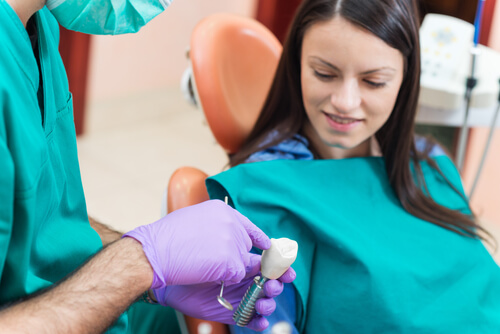
Dental Implant Complications & How to Mitigate Them

12/01/2023

Dental implants stand out as a reliable and aesthetically pleasing solution for replacing missing teeth, with a success rate of nearly 95%. However, as with any medical procedure, there may be potential side effects and risks involved

Most issues, if they arise, usually show up within the initial weeks following the surgery. For this reason, it’s crucial for patients considering dental implants in Temecula, CA to understand the entire process – from pre-surgical preparations to surgery and recovery phase. This comprehensive understanding is key to lessening potential risks and ensuring a successful implant outcome.

What are the main complications with dental implantsWhat are the main complications with dental implants?

The following are some possible dental implant complications: 

  • Infection: One of the most frequent complications involves implant post infections. These are often the result of poor oral hygiene practices or existing conditions that impact the health of the gums.
  • Swelling and bruising: Swelling and a bit of bruising are pretty standard after dental implant surgery, and they typically start to fade after a few days. Try applying an ice pack every 15-20 minutes to the swollen area as a temporary measure.
  • Implant failure or loosening: Occasionally, implants require an extended healing time before fully integrating with the jawbone. Additionally, the implant might loosen, and in some cases, a failure may occur. This happens for several reasons, including insufficient bone density, difficulties during surgery, or chewing on implant crown in case of immediate implant placement.
  • Nerve damage: Placing an implant too close to the inferior alveolar nerve (IAN) can lead to nerve damage. This often shows up as ongoing numbness in the lower lip and chin. It’s also common to experience persistent discomfort or pain, along with a sense of tickling or a burning sensation in the gums and on the skin. 
  • Sinus problems: If you’re getting dental implants in your upper jaw, you should be aware of sinus-related complications, such as chronic sinusitis. To sidestep these concerns, dentists may suggest a sinus lift before the procedure.

What increases the risk of implant failure?

Implant failure is influenced by several key factors, including:

  1. Poor oral hygiene: Insufficient cleaning can lead to peri-implantitis, a destructive inflammatory process affecting the soft and hard tissues around implants.
  2. Smoking: Smoking restricts blood flow to the gums and can impede the healing process, increasing the risk of implant failure.
  3. Insufficient bone density: Adequate bone support is essential for implant success. Conditions like osteoporosis can compromise bone quality, leading to higher failure rates.
  4. Medical conditions: Certain systemic diseases, such as diabetes, can impair healing and increase the risk of complications.
  5. Implant materials and techniques: The materials and methods applied have a major influence on complications. Choosing high-quality titanium posts and carrying out the surgery with great care and precision are key steps in reducing the chances of allergic reactions and preventing implant failure.

Are there some mitigation strategies?

Keeping up with good oral hygiene is essential to the longevity of your implants. Make sure to brush and floss regularly and don’t skip your check-ups, as this will prevent future problems. It’s also important to steer clear of smoking, not just during the procedure but before and after as well, since it can slow down healing and make complications more likely. Your dentist should also verify that you have enough bone density and take care of any other oral health issues. Lastly, closely adhering to post-operative instructions is essential for the implant to heal and integrate effectively.

Where can I find the best specialist in dental implants in Temecula, CA?

What increases the risk of implant failureShould you have any worries about potential implant complications or issues like receding gums, Dr. Tsvetov is ready to walk you through each aspect of the dental implant process, including tailored diet and nutrition guidance. Thanks to his long-standing experience and caring approach, you can be confident that Dr. Tsvetov will handle your procedure with the highest level of skill and attention. We encourage you to reach out to us from anywhere in Temecula to learn about the transformative impact dental implants can have on your life!
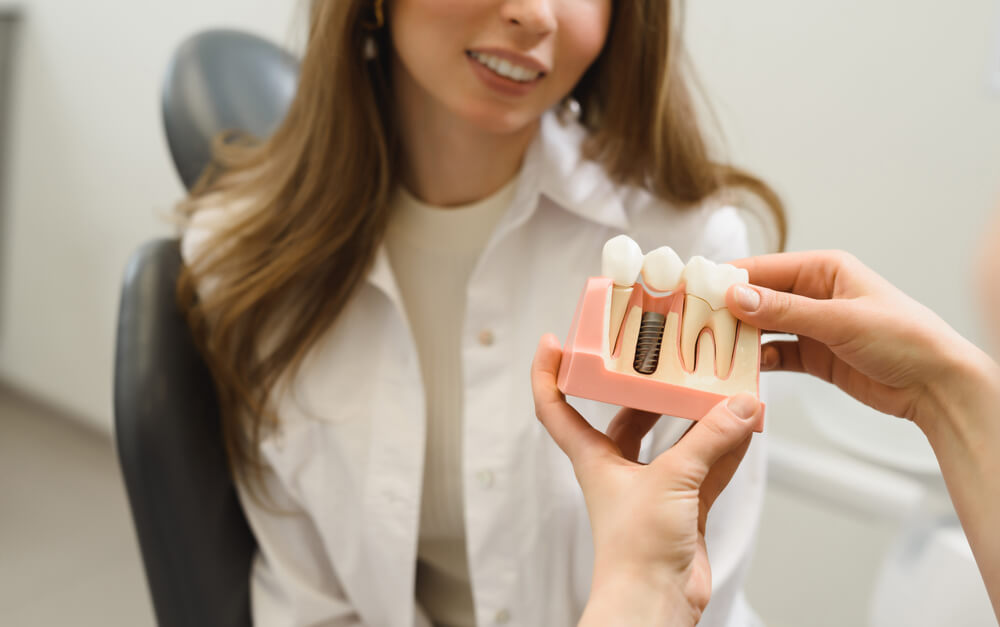
5 Psychological Benefits of Dental Implants

12/01/2023

Mental and psychological health shape our lives, affecting everything from social interactions to stress management. Surprisingly, these aspects are closely linked to oral health, particularly when it comes to tooth loss. Such a condition can deeply impact self-esteem, leading to embarrassment, lower self-esteem, and social isolation. Dental implants and other modern dentistry solutions, however, can play a transformative role in this scenario.

Drawing from insights by renowned specialists in Temecula, we’ll see how restoring a smile does more than just improve physical appearance – it uplifts mental well-being. Join us as we delve into this less-discussed, yet crucial aspect of oral health care.

How can a person’s oral health impact on their overall well-being?

How can a person's oral health impact on their overall well-beingOral health is an integral part of overall well-being, often underappreciated in its impact on both physical and psychological health. The condition of one’s teeth and gums plays a crucial role in self-esteem, confidence, and social interactions. Poor oral health, characterized by missing teeth, gum disease, or dental decay, can lead to discomfort and pain, affecting eating habits and nutritional intake. However, the impact extends beyond this.

  • Emotional and social consequences: The embarrassment of missing teeth or an unhealthy mouth can lead to self-consciousness, affecting an individual’s willingness to smile or engage in social interactions. This can escalate into social isolation, depression, and anxiety, impacting personal and professional relationships.
  • Physical health implications: Oral health issues can contribute to systemic health problems. For instance, gum disease is linked with heart disease, stroke, and diabetes. Poor oral health can also cause speech difficulties and reduced functionality in chewing, affecting overall health due to compromised nutrition.

How can dental implants change your life?

Dental implants offer a transformative solution for those suffering from tooth loss or chronic dental problems. In addition to restoring the physical function of teeth, they also have profound psychological benefits.

1. Restored confidence and self-esteem

Dental implants look, feel, and function like natural teeth. They revitalize your smile, which is often the first thing noticed in social interactions. This restoration of a natural-looking smile boosts self-esteem and confidence, encouraging individuals to smile more, speak freely, and engage in social activities without self-consciousness.

2. A more positive mental state

With the restoration of a healthy smile, many individuals experience a decrease in anxiety and depression associated with their previous dental issues. The ability to eat comfortably and speak clearly without concern also alleviates mental stress, improving quality of life.

3. Enhanced social and professional opportunities

A confident smile can open doors in both personal and professional spheres. Individuals with a healthy smile are often perceived as more approachable, self-assured, and successful, which can lead to better social interactions and professional opportunities.

4. Positive impact on eating habits and speech

Dental implants allow for a return to normal eating habits, improving nutritional intake and overall health. They also restore normal speech, which can be affected by missing teeth or poor-fitting dentures, enhancing communication abilities and confidence in social situations.

5. Long-term benefits

Dental implants preserve natural bone structure and prevent bone loss, preserving facial structure, and promoting better oral and general health in the long term.

Who is the leading expert in dental implants in Temecula?

How can dental implants change your lifeTemecula Center for Dental Implants provides the highest level of care for patients with damage or missing teeth. So, If you’re considering dental implants, remember, it’s not just an investment in your oral health, but a step towards a happier, healthier you. 
If you have concerns about possible complications or your receding gums, Dr.Tsvetov is here to guide you through every detail of the procedure, including advice on diet and nutrition. With his extensive experience and a compassionate approach, your dental implant procedure is sure to be a success. Don’t hesitate to reach out to us, wherever you are in Temecula. We’re just a call away!

Choosing the Right Dental Implant Specialist

10/30/2023

Selecting the right specialist is an essential decision on the path to restoring your smile and oral health. Dental implants are a sophisticated and highly effective solution for replacing missing teeth, but their success heavily depends on the expertise of the practitioner. With an array of professionals offering these services, it’s imperative to navigate the search for your dentist implant specialist in Temecula, CA wisely. In this article, we’ll look into the critical considerations and factors that can guide you in making an informed decision

How do you find the best dental implant specialist?

From qualifications and experience to patient testimonials, the following are key factors to consider to ensure successful and satisfying results:

How do you find the best dental implant specialist

Qualifications and training

Begin your search by verifying the qualifications of your potential specialist. Make sure they’ve received proper education and training. Look for certifications, such as credentials from accredited organizations like the American Board of Oral and Maxillofacial Surgery (ABOMS). 

Experience and expertise

Experience is a critical factor. Look for a professional with a substantial track record in performing the procedure. An experienced specialist is more likely to have encountered a variety of cases and can adapt their approach to meet your unique needs. 

Referrals and recommendations

Ask your family and trusted friends for recommendations. They can provide valuable insights and share their personal experiences with the professionals they have worked with. In addition, online reviews and testimonials from previous patients can offer a wealth of information. 

Consultations

Schedule a consultation with your prospective expert to assess their approach, communication, and your comfort level. During this meeting, discuss your specific needs and concerns about the procedure. This initial interaction will help you gauge their ability to address your unique requirements, ensuring a productive patient-specialist relationship and a personalized treatment plan. 

Technological advancements

Embracing the latest technology is essential. State-of-the-art equipment and techniques can enhance procedure precision and outcomes. Feel free to inquire whether they use cutting-edge materials and equipment to ensure that your implant treatment benefits from the most advanced and efficient methodologies available. 

Pricing transparency and financial solutions

A reliable specialist will provide you with clear pricing and a breakdown of the treatment cost. In addition, you can ask about available financing options and payment plans, so you can manage the cost of your procedure more comfortably.

Patient-centered approach

Opt for an expert who prioritizes patient comfort and involvement. A dependable professional listens attentively to your concerns and engages you in decision-making. A patient-oriented approach ensures that your unique needs are met, fostering a trusting patient-doctor relationship and delivering a personalized treatment plan that aligns with your preferences and goals. 

Post-treatment support

Ask your doctor about their aftercare plan. Effective post-procedure care is essential for the long-term success of your treatment. Ensure that they provide comprehensive follow-up appointments and support, as well as guidance on maintaining oral health and maximizing the longevity of the treatment. A robust post-treatment support system contributes to a successful and worry-free recovery. 

Where can I find a trusted dentist implant specialist in Temecula

Where can I find a trusted dentist implant specialist in Temecula, CA?

If you’re wondering whether permanent teeth on implants can mimic natural teeth, how they can improve your health, or why bone density is important, Temecula Center for Dental Implants has all the answers. Dr. Tsvetov is our experienced specialist who is committed to your satisfaction and comfort. After thoroughly evaluating your condition, he’ll create a personalized treatment plan that will effectively tackle your concerns. Visit our office in downtown Temecula and rest easy knowing that your oral health and overall well-being is in competent hands. Book your appointment today! 

The Science Behind Permanent Teeth on Implants: How They Mimic Natural Teeth

10/30/2023

The advent of dental implant technology has revolutionized the field of restorative dentistry, offering patients a remarkable solution for replacing missing or damaged teeth. These options not only restore a patient’s ability to chew, speak, and smile with confidence but also closely mimic the appearance and functionality of natural teeth. It’s a fascinating blend of biology, engineering and materials science that makes your permanent teeth on implants in Temecula, CA a perfect option for your dental needs. In this article, we explore the science behind how dental implants replicate natural teeth

Do dental implants behave like natural teeth?

Yes, they do. From osseointegration to crown fabrication, let’s have a look at different ways this reliable solution can provide you with security, comfort, and convenience:

Do dental implants behave like natural teeth

Stability and chewing functionality

Implants are surgically anchored into the jawbone in a process called osseointegration. This integration of the implant with the surrounding bone provides a stable foundation for the replacement of one or more teeth. This stability allows for the effective and efficient chewing of food. Patients who opt for this solution can comfortably enjoy a wide range of foods without the worry of loose or slipping prosthetics. 

Aesthetic appearance

Modern implants and crowns/bridges attached to them, are meticulously designed to match the color, size, and shape of your existing teeth, ensuring a seamless blend with the rest of the smile. This attention to detail helps in achieving a natural appearance, and most people won’t be able to notice the difference .

Bone preservation

When a tooth is lost, the jawbone can begin to deteriorate over time due to lack of natural stimulation that natural roots provide. Implants can help prevent this bone loss by stimulating the surrounding bone, promoting its health and preserving its volume. This feature is essential for maintaining facial structure and preventing the “sunken” appearance that can occur with bone resorption. 

Speech and pronunciation

Missing teeth can affect the way sounds are produced, leading to speech difficulties. By filling the gap left by missing teeth, implants contribute to improved clarity and articulation. They aid in the natural formation of sounds, allowing patients to speak with confidence and without the hindrance that often accompanies missing teeth. 

Easy maintenance

The required maintenance is remarkably similar to caring for natural teeth. Regular brushing, flossing, and routine dental check-ups are all that’s needed to ensure their longevity. This ease of maintenance is a marked departure from some other tooth replacement options, such as dentures, which require specialized cleaning and care. 

Durability and longevity

Dental implants are renowned for their exceptional durability and longevity, paralleling the endurance of natural teeth. When maintained properly, they can endure a lifetime of use. This extended lifespan provides patients with a lasting, worry-free solution, often outlasting alternative tooth replacement methods. 

While they aren’t susceptible to decay, they require consistent oral care to prevent gum disease and ensure their continued durability. 

Where can I get high-quality permanent teeth on implants in Temecula

Where can I get high-quality permanent teeth on implants in Temecula, CA?

Whether you’d like to learn more about how dental implants can improve your overall health or you’re concerned about any other aspect of this advanced dental solution, your dedicated dental implant specialist will provide you with all the information you need. At Temecula Center for Dental Implants, our experienced team led by Dr. Dmitry Tsvetov will carefully analyze your situation in order to suggest an optimal solution that caters to your needs. Take a relaxing walk at Bahia Vista Park, then visit our office and let us help you restore your confident smile. Get in touch with us today! 

The Link Between Dental Implants and Overall Health

09/28/2023

The Link Between Dental Implants and Overall HealthThe impact of dental health on overall well-being is a topic that has gained increasing recognition over the past years. Dental implants, known for their ability to restore smiles and chewing function, also play a significant role in the broader context of overall health. Beyond aesthetics, receiving permanent teeth on implants from a specialist in Temecula can influence various aspects of your physical and psychological health. Let’s have a look at the connections that make these small yet transformative devices more than just a cosmetic enhancement.  

Can dental implants improve your health?

Dental implants can certainly have a positive impact on your health. Here’s how they can contribute to your well-being. 

Enhanced nutritional intake

One of the often overlooked consequences of missing teeth is compromised nutrition. When you have gaps in your smile, it can be difficult to bite and chew certain foods, particularly those that are fibrous or require significant mastication. Dental implants restore your ability to eat a wide variety of foods, ensuring you can maintain a balanced and nutritious diet. 

Preserving bone density

The absence of tooth roots in the jaw can lead to bone loss over time, which can affect the overall structure of your face and contribute to a sunken appearance. Dental implants serve as tooth roots and stimulate the jawbone much like natural teeth. This stimulation helps prevent further bone loss and preserves the integrity of your facial features. 

Improved oral health

Implants are easy to clean and maintain, and they don’t require the modification of adjacent healthy teeth, as is often necessary with traditional bridges. This means your surrounding teeth remain intact, reducing the risk of oral health issues like decay and gum disease. A healthier mouth can have a positive cascading effect on your overall health.

Speech improvement

Missing teeth can affect your speech, leading to difficulties in pronouncing certain words and sounds. Implants provide stable anchors for replacement teeth, enabling clearer speech and improving communication. This can boost your confidence and social interactions. 

Confidence and mental health

The psychological impact of missing teeth shouldn’t be underestimated. People with missing teeth often experience a decline in self-esteem, which can lead to social anxiety and a reduced quality of life. Implants can restore your confidence by giving you a complete natural-looking smile, positively affecting your mental and emotional well-being.

Prevention of TMJ disorders

When teeth are missing, the balance of forces in your bite can be disrupted, potentially leading to temporomandibular joint (TMJ) disorders. Implants can help restore a balanced bite, reducing the risk of TMJ issues and associated symptoms such as jaw pain and headaches.

Longevity and quality of life

Implants are a long-lasting solution to tooth loss. With proper care and maintenance, they can endure for decades, offering stability and function that significantly enhance your quality of life as you age. 

Where can I get quality permanent teeth on implants in Temecula?

Can dental implants improve your health?For any questions and concerns you may have about your oral health, reaching out to a reliable specialist is the safest solution. Here at Temecula Center for Dental Implants, you’ll be warmly welcomed by friendly staff and Dr. Dmitry Tsvetov, who is an experienced oral and maxillofacial surgeon providing effective treatments with optimal clinical outcomes. With a patient-oriented approach and advanced methodology, he’ll design a treatment plan that’s completely tailored to your specific needs. 

Whether you live near the Temecula Theater or further away, schedule your appointment and visit us at our office for a thorough examination and a recommendation for an optimal solution. Get in touch with us today!

Dental Implants and Bone Health: Why Bone Density Matters

09/28/2023

Dental Implants and Bone Health Why Bone Density MattersWith a dental implant procedure, success goes far beyond achieving a stunning smile and restoring functional teeth. A critical factor that plays an essential role in the longevity and effectiveness of implants is bone density. Your jawbone provides the essential support and stability required for these artificial tooth roots to anchor securely. Your dedicated dentist, a dental implant specialist in Temecula, CA, will carefully analyze your situation and suggest a tailored plan. 

Let’s have a look at the intricate relationship between implants and bone health and why bone density matters. Understanding this connection is vital if you’re considering undergoing this treatment. 

Do you need good bone density for dental implants?

The success of the procedure largely depends on the quality and quantity of the bone. Here’s why both are essential:

The role of bone

Implants are essentially titanium screws that are surgically implanted into the jawbone to serve as artificial tooth roots. They provide a stable foundation for crowns, bridges, or dentures, mimicking the function of natural teeth. The crucial factor that ensures their stability is osseointegration, a process where it fuses with the surrounding bone tissue.

Why bone density matters

There are quite a few reasons why bone density is a crucial factor in the procedure:

  • Stability and support: Adequate bone density is vital for the initial stability of the implant. When the density is insufficient, it may not integrate properly, leading to complications and possible failure. 
  • Longevity: Good density contributes to the long-term success of the treatment. A strong foundation means that it can withstand the forces of chewing and biting, ensuring that it remains firmly in place for many years. 
  • Natural appearance: Implants are prized for their ability to look and feel like natural teeth. Adequate bone support allows for proper positioning, which in turn influences the aesthetic outcome. 
  • Preventing bone loss: Natural teeth stimulate the underlying bone when you chew, helping to maintain the density. Implants function in a similar way by transmitting chewing forces to the jawbone, preventing bone resorption that typically occurs when teeth are missing.

Addressing bone insufficiency

Fortunately, even if you don’t have ideal bone density, it doesn’t necessarily mean you can’t undergo the treatment. Modern dentistry offers several solutions to address bone insufficiency:

  • Bone grafting: This procedure involves adding bone material to the deficient area to improve its density and volume. It can take several months for the grafted bone to integrate before implant placement. 
  • All-on-4 or all-on-6 implants: These techniques use fewer implants strategically placed to maximize bone contact. They are often used for full arch restorations and can work well in patients with some bone loss. 
  • Zygomatic implants: In case of severe bone loss in the upper jaw, zygomatic implants anchor to the cheekbone, bypassing the need for extensive grafting. 

Consulting with a specialist

The first step in determining your suitability is to consult with an experienced specialist. They can assess your bone quality through imaging techniques such as CT scans and recommend the most appropriate treatment plan. 

Do you need good bone density for dental implants?Who is a reliable dentist that can provide quality implant treatment in Temecula, CA?

Whether you’re wondering if dental implants can help improve your overall health or if they’re the right choice for you, consulting a dedicated dental specialist is essential. With years of experience, Dr. Dmitry Tsvetov from Temecula Center for Dental Implants performs a comprehensive range of procedures with utmost care and precision. Whether you’re close to Temecula Preparatory School or live in another part of the area, make sure you schedule your appointment with us today!   

How Do I Know if Dental Implants are Right for Me?

08/31/2023

Dental implants have been creating waves in the world of oral health, and for a good reason. They’ve given countless Temecula residents the freedom to laugh and speak without hesitation. Yet, as many dental implant specialists will tell you, it’s not just about choosing a solution — it’s about finding the best one for you. So, let’s take a closer look at some key details before deciding if you’re a good candidate for this surgery.

What are the top reasons you should get dental implants?

There are many reasons why people choose this treatment, from tackling challenges with eating and talking to enhancing one’s oral well-being. Here’s why a chat with your dentist might be a game-changer for you:What are the top reasons you should get dental implants

  • Natural appearance: Unlike other solutions, implants mimic the appearance and functionality of natural teeth. This means they don’t just look real; they feel real, making everyday tasks like eating and speaking seamless.
  • An everlasting solution: Dental implants are designed for longevity. With proper care, they can last a lifetime, providing a permanent solution to missing or damaged teeth.
  • Bone preservation: Tooth loss often leads to bone loss. Implants stimulate the jawbone, preventing its deterioration and maintaining facial structures.
  • No need to alter adjacent teeth: Unlike bridges, there’s no need to grind down adjacent healthy teeth to support an implant. They stand alone, preserving the integrity of the surrounding teeth.

Who is most qualified for dental implants?

The wonderful thing about implants is that they’re suitable for a vast majority of the population, but being the ideal candidate does hinge on a few factors. For starters, your jawbone should be dense enough to anchor the implant, but if there’s been bone loss, there’s still hope with procedures like bone grafting. Being in tip-top health is essential, especially free from ailments that can slow bone healing like uncontrolled diabetes. It’s also vital to be diligent about oral hygiene—brushing, flossing, and routine dental visits are key. And if you’re thinking about implants, it’s best if you’re not a smoker, as it can hinder post-op healing and potentially dampen the implant’s success.

When this might not be the right solution?

Despite their revolutionary nature, this procedure might not be the be-all-end-all solution for everyone.

  • Young patients: Younger patients, particularly those in their early teens or younger, are still experiencing growth and changes in their jaw. If implants are placed before the jaw has fully matured, they might shift or become misaligned over time. 
  • Heavy smokers: Smoking introduces harmful chemicals into the mouth, which can impede the healing process post-implant surgery. The success of dental implants largely hinges on the bone’s ability to fuse to the implant—a process known as osseointegration.
  • Uncontrolled chronic conditions: Conditions such as heart disease or diabetes can influence the body’s healing capability. Diabetes, for instance, can reduce blood flow, impairing healing after surgery. Additionally, infections are more likely to occur. 
  • Pregnancy: Pregnancy, while a beautiful phase, also means significant hormonal changes and an increased demand on the body’s resources. Dental implant surgery, like any surgical procedure, puts additional stress on the body, which is why it’s often recommended to postpone elective procedures until after childbirth.
  • Recent radiation therapy: Patients who’ve had radiation therapy in the head/neck region might need to explore alternatives, since this can decrease bone density and vascularization, making it challenging for implants to securely anchor.

Who is most qualified for dental implantsWhere in Temecula can I find a reliable dental implant specialist?

Dr. Dmitry Tsvetov of Temecula Center for Dental Implants is the dental implant specialist you can trust for a natural-looking, and lasting smile. If concerns about implant failures keep you up, or you’re wondering about the right wait time post-extraction, or even weighing your front tooth replacement options, rest easy. Dr. Tsvetov has got your back every step of the way. No matter if you’re a stone’s throw away from the Promenade or a bit further out, our clinic’s doors are always open. Reach out and we’ll set up your visit.

The Road to Dental Implants After Extraction

08/31/2023

Dental restoration is a lot like piecing together a puzzle; every choice has its place and purpose. Now, dental implants? They’ve caught the eye of many looking to restore their smile. But it’s not just about deciding to get them—it’s the ‘when’ and ‘how’ that often raises eyebrows. From the speedy route of instant solutions to the methodical journey of late implantation, let’s sift through the choices, guided by the expertise of dental implant specialists in Temecula, and uncover which path might be the best fit for you.

What happens if you wait too long to replace a tooth?

What happens if you wait too long to replace a toothLosing a tooth goes beyond just an aesthetic problem. It’s like a tiny disruption that can snowball into bigger dental issues. When one tooth goes missing, the others might start shifting, making oral hygiene trickier and making decay more likely. And over time, your jawbone might feel the absence, thinning out and changing your face’s natural contour. 

But there’s no need to stress. Instead of waiting for things to spiral, discuss filling that gap with your dentist. And if your jawbone has seen better days, your dentist might prep it with a bone graft first. So, don’t fret; this way you’ll be back on track to a healthier, fuller smile.

When should you get an implant after extraction?

Everyone’s journey to a dental implant is unique, largely influenced by individual circumstances. Sometimes, especially if the jawbone is strong and hearty, you might find yourself transitioning to an implant immediately after a tooth’s farewell. But more often than not, experienced dentists suggest letting nature take its course for 3 to 6 months after an extraction. 

Given these factors, your path could lead you down one of three primary surgery routes:

1. Immediate dental implant placement

Imagine walking into a clinic and walking out with a fresh implant almost instantly after an extraction – sounds ideal, right? For those blessed with healthy gums and a robust jawbone, this isn’t a dream but a very feasible reality. The procedure involves the immediate placement of an implant following the extraction of the affected tooth, streamlining the restoration process.

However, there’s a little caveat: this method is predominantly effective for specific teeth, like incisors, canines, and premolars. It all boils down to the design and suitability of single-rooted implants for these teeth, given their anatomical differences compared to molars. So, while it’s a quick and efficient route for many, it’s essential to ensure it aligns with the tooth in question and the patient’s overall dental profile.

2. Delayed dental implant placement

The short wait implantation strategy gives the extraction site a little more time to recover, generally spanning from two weeks up to three months post-extraction. This window isn’t just about patience; it’s about optimization. By allowing a brief hiatus, you’re ensuring that any residual infections clear up properly, and the healing process of the gums and bone is unhindered. Furthermore, this method is a safeguard against potential bone loss, as the implant can stimulate its growth once placed. 

3. Late dental implant placement 

Lastly, if you’re playing the long game, there’s the late implantation approach. Here, the implant takes center stage after a significant period post-extraction. It’s especially handy when the initial bone structure isn’t quite ready to welcome an implant. To create the perfect home for the new implant, additional treatments might be on the cards. Typically, the process takes around 10 weeks, ensuring a strong foundation for the incoming implant.

Where can I find a trustworthy dental implant specialist in TemeculaWhere can I find a trustworthy dental implant specialist in Temecula?

In the pursuit of that impeccable, lifelong smile, Dr. Dmitry Tsvetov from the renowned Temecula Center for Dental Implants stands as a beacon of expertise. Navigating the maze of dental decisions—be it concerns over the longevity of implants, choosing the right dental solution, or deciding on a front tooth replacement—becomes a breeze with us by your side. Whether you’re around the corner from the Harveston Community Park or residing farther afield, our clinic awaits with a warm welcome. Just drop us a line, and embark on your transformative dental journey.

Front Teeth Replacement: What are the best options?

07/26/2023

What are my options if I have no front teethPicture this: You’re ready for that long-awaited reunion, that big job interview, or simply a night out with friends. But every time you practice your winning smile in the mirror, the gap in your front teeth stares back at you, gnawing at your confidence. 

If this rings true, then this blog post could be your guiding light. Let’s put those doubts and insecurities to bed as we explore the fantastic world of front teeth replacement options in Temecula and beyond. From dental implants to bridges, or even dentures, we will take you on a journey through the most effective solutions for missing front teeth.

What are my options if I have no front teeth?

Losing your front teeth can impact you in several ways, from affecting your daily routine and eating habits to lowering your self-confidence. However, modern dentistry offers a host of effective and aesthetic solutions to fill the void and restore your radiant smile. Let’s explore some of these in more detail:

1. Dental implants

Considered the gold standard in tooth replacement, dental implants are surgically inserted into the jawbone to act as artificial roots for the replacement teeth. These offer a permanent solution, mimicking the appearance and functionality of natural teeth. Given their durability, they’re an excellent choice for individuals looking for a long-term fix.

2. Dental bridges

This option involves creating a ‘bridge’ that connects the artificial tooth or teeth to the adjacent natural teeth or implants. Dental bridges are a non-surgical alternative and can restore the full functionality of the mouth. They work best when the adjacent teeth are healthy and strong enough to support the bridge.

3. Removable dentures

Partial dentures can also be an effective solution for missing front teeth. These are custom-made to fit your mouth and can be easily removed for cleaning. While they might not provide the same stability as implants or bridges, dentures are often more affordable and require less invasive procedures.

4. Immediate temporary denture

If you’ve just had a front tooth extracted and need an immediate solution, a temporary or ‘immediate’ denture might be your go-to solution. These are usually worn until your permanent replacement (like a dental implant or a bridge) is ready.

Remember, the right treatment for you largely depends on your unique dental health, lifestyle, and budget. It’s essential to consult with an experienced dental implant specialist who can guide you through the decision-making process, helping you to find a solution that best suits your needs. With the advancements in modern dentistry, there’s no reason you can’t reclaim the full, beautiful smile you deserve.

Who in Temecula offers expert dental implants?

Who in Temecula offers expert dental implantsIf you’re wrestling with questions like how long to wait for implants after an extraction, or you’re trying to understand the most common reasons for implant failure, or maybe you’re contemplating the possibility of same-day implants, don’t fret – you’re not alone! Dr. Dmitry Tsvetov from the Temecula Center for Dental Implants stands ready to be your trusted partner on your dental restoration journey. 

With his vast experience, he’s known for helping patients navigate their options seamlessly and delivering tailor-made, effective solutions. Thanks to the latest in dental technology and the finest implants, his goal is to transform your look and boost your self-esteem with a beautiful smile. 

No matter if you live near Bahia Vista Park or elsewhere in the area, our office is all set to greet you for a comprehensive initial consultation. Why wait? Give us a ring – after all, a complete, dazzling smile you can be proud of is well within your reach!

Unlocking the Success of Dental Implants: Influential Factors

07/26/2023

How long does the process takeDental implants have rewritten the history of dentistry. They offer a blend of durability, functionality, and aesthetics that traditional dentures or bridges often can’t match. However, as groundbreaking as they are, their success requires careful planning and an understanding of various influencing factors. 

So, let’s embark on a journey into the intriguing realm of dental implants, shedding light on the critical elements that guide your experience from the initial consultation to the final follow-up, whether your journey unfolds in the heart of Temecula or anywhere else around the globe.

How long does the process take?

First, it’s crucial to have a realistic expectation of the procedure timeline. Unlike simple fillings or tooth extractions, they’re a journey rather than a quick fix. The process usually unfolds in several stages spanning over months. The initial consultation involves a comprehensive dental examination and 3D imaging to determine the patient’s suitability for the procedure. Next comes the surgical implantation of the titanium post, the artificial root that will securely anchor your new tooth.

After implantation, the process enters a critical phase known as osseointegration, where the bone slowly fuses with the implant over a few months. Once your jawbone has fully healed and bonded with the implant, the final stage involves placing the crown – the visible part of your new tooth. The timeline for this entire process varies, but generally, it spans between 6 to 7 months.

What is the most common cause of implant failure?

Despite the high success rate, some cases may not yield the desired outcome for a variety of reasons. For instance, improper care after the procedure can lead to infections, potentially causing implant failure. Similarly, poor oral hygiene can give rise to peri-implantitis, an inflammatory condition that damages both soft and hard tissues.

Another risk factor is smoking, which hinders the healing process post-surgery and can compromise the success of the implant. Lastly, a dental implant needs sufficient bone to secure the implant, and patients with severe bone loss may experience implant failure.

When are dental implants not suitable?

While implants offer a fantastic solution for many, not everyone is an ideal candidate for the procedure. Those with insufficient bone mass in the jaw might not be able to support them securely. However, procedures like bone grafting can help overcome this hurdle in some cases.

Certain systemic health conditions such as uncontrolled diabetes, cancer, or diseases that affect bone growth can impact the success of the process. Additionally, lifestyle choices like smoking or heavy alcohol consumption can negatively affect the healing and integration of the implant. Certain medications affecting bone metabolism (bisphosphonates) can also influence implant healing in a negative way.

Are there any experts for dental implants in Temecula to restore my smile?

What is the most common cause of implant failureUnderstanding these factors helps shine a light on the complexities of dental implants, highlighting the need for a highly skilled dental implant specialist to guide you on your journey. With their expert touch, the path to a restored smile becomes clear, leading to successful dental implant treatment that stands the test of time.

In your quest for a radiant, enduring smile, Dr. Dmitry Tsvetov of Temecula Center for Dental Implants emerges as the dental implant specialist you can trust. Whether you’re pondering how long to wait for implants after extraction, exploring optimal front tooth replacement options, or considering the feasibility of same-day implants, Dr. Tsvetov is here to guide you. His amiable approach, combined with exceptional expertise, ensures a relaxed and predictable dental journey. 

Harnessing cutting-edge technology and premium implants, he and his team are committed to delivering a transformative smile you’ll be proud to showcase. Whether you live near Butterfield Stage Park, feel free to get in touch with us today!