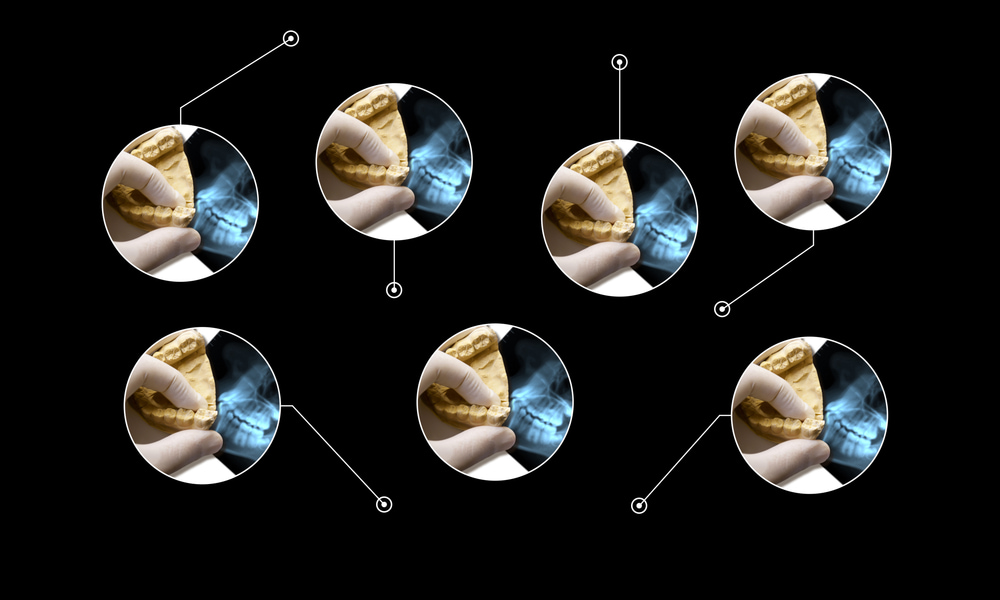
Upper and lower All-on-4 implants can both replace a complete arch of failing or missing teeth, but the two jaws cannot be planned as though they are identical. The upper jaw, or maxilla, is fixed to the skull and sits close to the maxillary sinuses and nasal cavity. The lower jaw, or mandible, moves during speaking and chewing and contains a nerve canal that must be carefully mapped before surgery. Bone density, available implant positions, smile display, tongue space, and biting forces may differ as well.
These distinctions do not automatically make one treatment better or more difficult. They mean that your dental implants specialist in San Diego must create a restorative plan that reflects the anatomy of your jaw. A detailed evaluation helps determine implant position, bridge design, and whether immediate temporary teeth can be supported predictably.
What stays the same in upper & lower All-on-4 treatment?
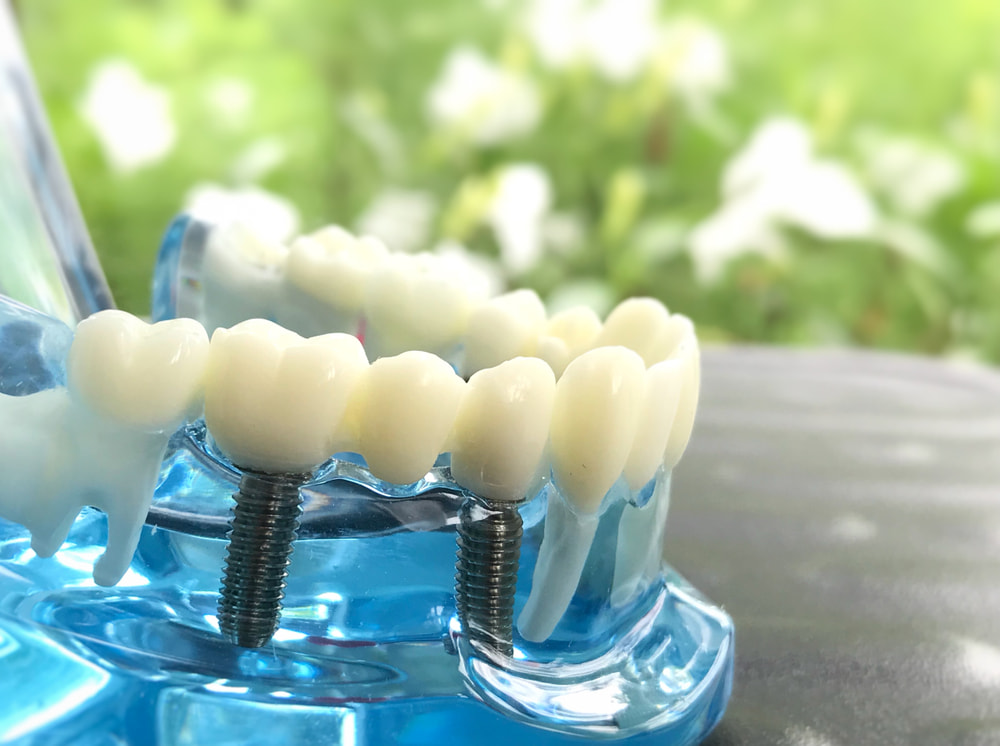
The goal is similar in either jaw: place implants in stable areas of bone and use them to support a fixed full-arch bridge. The front implants are commonly positioned more vertically, while tilted posterior implants may be used when appropriate. Angling can help use available bone, extend support toward the back, and work around anatomical structures.
Both plans usually begin with an examination, three-dimensional imaging, scans or impressions, photographs, and bite records. The team also reviews medical history, smoking, grinding, and the opposing arch. The treatment concept may be the same, but the details are individualized.
 Why does the upper jaw require its own treatment plan?
 Why does the upper jaw require its own treatment plan?
The upper jaw often presents different bone conditions. Maxillary bone may be less dense, particularly toward the back of the mouth, so the surgeon must evaluate whether each implant can achieve adequate initial stability. Long-term tooth loss, periodontal disease, infection, and prior extractions may also affect the amount of usable bone.
The maxillary sinuses occupy space above the upper back teeth. After tooth loss, less bone may remain beneath the sinus, so posterior implants may sometimes be angled to use bone farther forward. This positioning can also help reduce the unsupported extension of the bridge behind the last implant.
The upper bridge may need to restore tooth display, lip support, and lost gum tissue. These esthetic considerations influence the position, shape, and thickness of the restoration. A CBCT scan helps the team evaluate bone volume, density, and sinus anatomy before selecting the final implant positions.
What makes lower All-on-4 implant planning different?
The lower jaw contains the inferior alveolar nerve canal, commonly called the mandibular nerve canal, which carries sensation toward the lower teeth, lip, and chin. Three-dimensional imaging helps the surgeon locate this canal and the mental foramina, where nerve branches exit the bone. Implant length, angle, and position must be planned carefully around these structures.
Although the front portion of the mandible often contains relatively dense bone, every lower jaw is different. Bone loss can reduce the height or width of the ridge, and implant positions must fit within the remaining bone while providing stable support for the planned bridge.
The mandible is also the moving jaw. It opens, closes, and shifts during chewing and speech, influencing how the lower bridge meets the upper teeth and how forces travel through the restoration. Tongue space and the floor of the mouth matter too. The bridge must allow natural tongue movement, provide comfortable contours, and remain accessible for cleaning around the implants.
Does the jaw affect whether temporary teeth can be placed immediately?
Immediate temporary teeth depend on more than placing four implants. The implants must achieve adequate primary implant stability, and the bridge must limit unwanted movement during early healing. Bone quality, implant distribution, biting forces, and patient health can all influence the decision.
Because conditions may differ between the upper and lower jaw, each arch is evaluated independently. A patient may be suitable for immediate loading in one arch but need a modified timeline in the other.
When temporary teeth are provided, patients are generally instructed to follow a softer diet and avoid excessive pressure while the implants integrate with the bone.
Why might upper & lower bridges look or feel different?
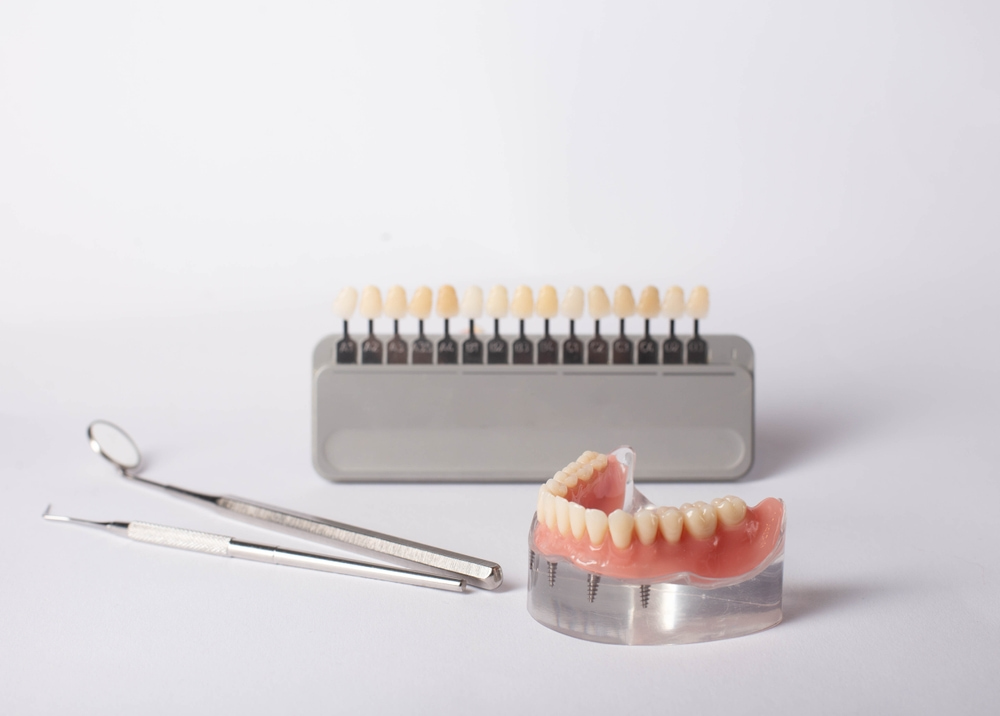
The bridges perform the same function, but occupy different spaces. An upper restoration may include prosthetic gum material to restore tissue volume, support the lip, and create a natural tooth display. Its inner contour may also influence speech and tongue contact.
A lower bridge must accommodate the tongue, floor of the mouth, and moving mandible. The teeth need to leave enough room for comfortable tongue movement, while the underside must allow cleaning around the implants and beneath the bridge.
Facial proportions, jaw relationship, restorative space, and opposing teeth all influence the final design. The upper and lower restorations should coordinate, but they are not mirror images of one another.
How does the opposing arch influence treatment planning?
 Neither arch functions alone. Upper and lower teeth meet during biting and move against each other while chewing, so the opposing arch affects tooth position, bridge material, bite force distribution, and final bite adjustments.
Natural teeth provide different sensory feedback and slight movement compared with implants. An implant bridge meeting natural teeth may require a different contact pattern than two implant-supported arches meeting each other. Existing crowns, dentures, worn teeth, or an uneven bite can further change how force is distributed.
The team may recommend treating active disease, repairing damaged teeth, or correcting high contacts to create a more stable relationship between the new bridge and the opposing teeth or restoration.
What records guide upper & lower All-on-4 planning?
A CBCT scan shows the shape, density, and volume of the jawbone, along with nearby structures such as the maxillary sinuses and mandibular nerve canal. Digital scans or impressions capture the arches and the space available for replacement teeth. Photographs help evaluate the smile line, lip support, facial proportions, and tooth display.
Bite records show how the jaws meet. The team may also assess jaw movement, muscle tenderness, tooth wear, and signs of bruxism. These records help the surgeon and restorative dentist coordinate implant placement with bridge design.
This is why two patients with similar tooth loss may receive different recommendations and why one patient may need a different approach in the upper jaw than in the lower one.
Who is the leading dental implants specialist in San Diego, CA & the area?
Whether you’re located in the downtown area or further inland in San Pasqual Valley, our experienced team at Temecula Center for Dental Implants will create a personalized plan that reflects your bone structure, bite, facial features, and long-term oral health. We carefully evaluate these details and explain each recommendation so you can approach treatment with greater confidence.
Our team can also help you understand when All-on-4 implants can restore just one arch, what to do when a screw-access filling falls out, and why small bone spurs may appear after surgery.
Get in touch with us to discuss your concerns, explore your treatment options, and elevate your daily life with biocompatible All-on-4 dental implants. Contact us today to arrange a consultation!
 Possible situations include:
 Will the new arch match your natural teeth?