Wisdom Teeth Extraction And Your Menstrual Cycle

07/18/2022

It’s no secret that hormones play a big role in your overall health, including dental and oral health. For women, this is especially true during the menstrual cycle. Many women report having more gum and tooth discomfort during this time, and it’s no coincidence the fluctuating levels of estrogen are to blame. In this blog post, we will take a closer look at the relationship between wisdom teeth extraction and your menstrual cycle

Before scheduling your dentist appointment in Winchester, find out whether it’s safe to consider emergency wisdom teeth extraction during your period. Keep reading!

Does your period affect your wisdom teeth?

For many women, the answer is yes. The hormonal instabilities that happen during your menstrual cycle, as well as during pregnancy, puberty, menopause, and even while you use birth control pills can have an effect on your wisdom teeth, gums, and other dental conditions. In general, estrogen levels are highest during the first half of your cycle (days one to 14) and lowest during the second half (days 15-28). 

Where in Winchester and the vicinity can I schedule an emergency wisdom teeth extraction

Estrogen and progesterone increase blood flow, which can cause your gums to swell and bleed more easily. As a result, you may be more susceptible to developing gum disease or other dental problems during this time. This can be further complicated by headaches, especially if you’re prone to migraine during your period, as well as mood swings, which can make soft tissues more sensitive. 

There are a few things you can do to minimize the effects of your menstrual cycle on your wisdom teeth and gums:

  • First, make sure to brush and floss regularly. This will help remove any bacteria or plaque that could cause problems. Although hormones can increase the symptoms of inflammation, the main culprit is plaque. 
  • Second, consider using a mouthwash that contains fluoride. Fluoride can help reduce the risk of cavities and other dental problems. 
  • Finally, be sure to see your dentist regularly for checkups and cleanings.

Is it OK to have tooth extraction while having menstruation?

If you’re considering having your wisdom teeth removed, you may be wondering if it’s safe to do so during your period. In most cases, it is safe to have tooth extraction while menstruating. However, there are a few things you should keep in mind:

  • First, you may be more susceptible to developing an infection after the procedure. For this reason, it’s important to see your dentist as soon as possible if you think you may have an infection. 
  • Second, you may experience more bleeding and swelling during the extraction process. This is normal and will typically resolve within a few days. If you use tampons, you may consider using a pad during the procedure. 
  • Finally, your doctor will probably recommend that you take an over-the-counter medication prior to the procedure. This will help reduce any discomfort you may experience during the extraction.

Overall, wisdom teeth removal is a safe and effective procedure for most people. However, it’s important to talk to your dentist about any concerns you may have before scheduling your appointment.

Where in Winchester and the vicinity can I schedule an emergency wisdom teeth extraction? 

Is it OK to have tooth extraction while having menstruation

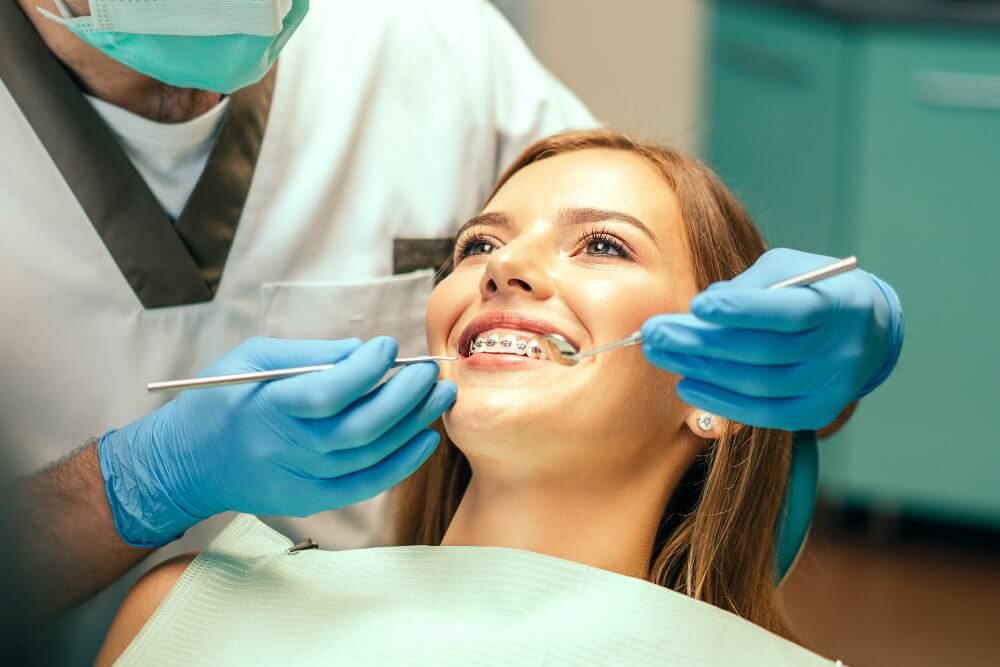
If you’re in need of emergency wisdom teeth extraction, don’t hesitate to contact Temecula Center for Dental Implants. We are a state-of-the-art dental facility that offers a variety of services, including wisdom teeth removal. Dr. Tsvetov has ample experience with dental and oral surgery and will be able to help you with other dental issues as well. You will be able to plan the placement of braces, implants, or other procedures. 

We understand the importance of getting prompt treatment and will do everything we can to get you in for an appointment as soon as possible. Contact us today to schedule an appointment. You’ll be able to take a walk by Eagle Soar Playground & Splash Pad with your children after the procedure is done, without discomfort. We look forward to seeing you!

Wisdom Teeth Surgery With Braces: All You Need to Know

07/18/2022

If you’re considering braces, one of the questions you may have is whether or not to get your wisdom teeth removed before starting treatment. Wisdom teeth can often cause problems, such as crowding your other teeth or becoming impacted. However, if they are healthy and you have enough space in your jawbone so that they don’t cause any problems, it’s usually best to keep them in place. 

In this blog post, we will discuss the pros and cons of getting wisdom teeth removal with braces. We will also give you some tips on how to take care of your braces during and after an emergency wisdom teeth extraction. Keep reading for some professional advice by experts from Winchester and the vicinity!

Can you get braces with wisdom teeth?

Do braces need to be removed for wisdom teeth removal

If you want a short answer: yes, it’s possible. Usually, your braces will be applied to your third molars by an experienced orthodontist. However, the long answer is: that it might not be a good idea, as your wisdom teeth might push other teeth and cause problems with your treatment. If you’re considering braces, we recommend that you speak to your orthodontist about whether or not wisdom teeth surgery is right for you, considering all the advantages and disandvantages.

The pros of wisdom teeth surgery before braces

There are a few advantages to getting your wisdom teeth removed before starting braces treatment. 

  • It can help to prevent the crowding and shifting of your other teeth. Wisdom teeth are the last to come in, and they often come in at an angle. This can cause your other teeth to shift and become crowded. 
  • It can prevent cracking and breaking of other teeth, that is another result of potential teeth missalignment or crowding.
  • It can prevent problems with your bite. When wisdom teeth come in at an angle, they can push on other teeth and change the way your upper and lower jaws line up. This can lead to a malocclusion (bad or improper bite). 
  • Third, removal of wisdom teeth can help prevent problems with tooth decay. Wisdom teeth are often difficult to clean, and food and bacteria can build up around them. This can lead to cavities or gum disease.
  • It can prevent gum inflammation and many other oral health complications.

The cons of wisdom teeth surgery before braces

Although for most people, this procedure brings benefits, there are a few disadvantages. The procedure might cause some discomfort, including headaches and soft tissue tenderness. You may need some medication for the discomfort after the surgery, and you may experience some swelling. 

You should also keep in mind that it can delay your braces treatment. If you have your wisdom teeth removed before starting braces, you will need to wait for your mouth to heal before beginning treatment. This can add several weeks or even months to your overall treatment time. Consult with your dentist, orthodontist, or oral surgeon to see how long you should wait for your braces appointment after the removal procedure. 

Do braces need to be removed for wisdom teeth removal?

If you’re getting your wisdom teeth removed, you may be wondering if your braces need to be removed as well. The good news is that there’s usually no need to; unlike the opposite procedure where you need to wait for braces placement, wisdom teeth can be extracted without removal of braces. You can have the procedure done even if you currently have braces and your recovery from wisdom teeth removal won’t be affected. 

Who offers expert emergency wisdom teeth extraction in Winchester and the vicinity? 

Who offers expert emergency wisdom teeth extraction in Winchester and the vicinity

At Temecula Center for Dental Implants, we understand that impacted and crowded teeth can cause a lot of complications, and we want to help you get relief as soon as possible. Dr. Tsvetov will work with you to determine the best course of action for your individual situation. For example, we will give you the best advice whether you should plan third molar extraction during pregnancy, useful tips on how to treat your braces during dental surgery, or how to take care of your wisdom teeth during your period, and many more.

After a swift recovery, you’ll be able to spend a pleasant day at Diamond Valley Lake with your loved ones. Give us a call today and we’ll arrange your appointment!

Wisdom Teeth and Pregnancy: A Full Guide

06/16/2022

When you are pregnant, you may have a lot of questions about what is safe and what is not. This is especially true when it comes to dental care. In this blog post, we will answer some common questions about wisdom teeth and pregnancy.

We will also provide a full guide to safe dental procedures during pregnancy. The Winchester area has a number of reputable dental offices that offer emergency extractions of wisdom teeth. Still, before rushing in, it’s smart to get familiar with dental procedures in pregnancy first. 

Therefore, if you are expecting, you can read on for all the answers you need.

Can pregnancy affect wisdom teeth?What can you do for wisdom tooth discomfort while pregnant?

Many people don’t start to experience problems with their wisdom teeth until they are well into adulthood, but for some, the trouble begins during pregnancy. Hormonal changes can cause the gums to swell and bleed, making them more susceptible to infection. 

It’s good to know that even when you’re not pregnant, the hormonal changes during your period can also contribute to inflammation.

In addition, the extra weight gain associated with pregnancy can put pressure on the teeth and jaw, causing the wisdom teeth to become pushed forward or even become impacted. This can cause intense discomfort, regular headaches and other unpleasant symptoms.

While pregnancy-related dental problems are usually temporary and resolve after delivery, it’s important to see a dentist if you experience any discomfort or tenderness in your gums. By getting prompt treatment, you can help reduce your risk of developing more serious issues down the road.

What can you do for wisdom tooth discomfort while pregnant?

Thankfully, there are a few things that you can do to help ease wisdom tooth discomfort while pregnant:

  • Medicine

Over-the-counter medicine such as tylenol can help to reduce inflammation and discomfort.

  • Cold compress

 You can also try using a cold compress on your wisdom teeth for 20 minutes at a time. 

  • Regular brushing

Finally, be sure to brush and floss your teeth regularly to keep them clean and free of bacteria.

  • Removal

 If the discomfort persists, you can talk to your doctor about having the teeth removed. 

Is wisdom teeth removal during pregnancy safe?

These procedures are common during pregnancy because the risk of complications is low when the procedure is performed by a qualified dentist. Still, the recommended timeframe for the surgery is in the second trimester.

In the first trimester the baby is developing organs, which is why most procedures should be put on hold during this period. In the final trimester, on the other hand, the moms can get uncomfortable in the chair very quickly. 

Local anesthesia is used, so there is no need for general anesthesia, which could be risky for both mother and child. 

Where in Winchester and the surrounding area can I find an experienced oral surgeon who performs emergency extractions of wisdom teeth?Can pregnancy affect wisdom teeth?

When it comes to wisdom teeth removal, you want an experienced and qualified professional who can provide the best possible care.

Dr. Tsvetov from Temecula Center for Dental Implants specializes in wisdom teeth removal and can offer you the latest techniques and technology for a successful procedure. 

We understand the importance of your oral health and will work with you to ensure that you are comfortable and confident with your decision to have your wisdom teeth removed. Dr. Tsvetov can work under a lot of special circumstances, such as pregnancy, most related dental conditions, or on patients with braces

If you live near Winchester Park, you’re only a half-hour drive away from us. Call us today to schedule a free initial consultation and let us help you get rid of the discomfort safely and efficiently.

How To Stop Your Wisdom Teeth Headache

06/16/2022

If you’re one of many people who experience headaches from wisdom teeth, then you know how frustrating it can be. You may feel like there’s nothing you can do to make the discomfort go away. 

However, there are a number of things you can do to ease your wisdom teeth headache and get on with your life. A number of emergency extractions of wisdom teeth are performed in the area of Winchester daily due to the unpleasant headaches and other uncomfortable symptoms. 

In this blog post, we’ll share some tips on how to rid yourself of discomfort quickly and efficiently. Keep reading to learn more.

Why do wisdom teeth cause headaches?How do I know if my headache is from wisdom teeth?

One of the most common complaints associated with wisdom teeth is headaches. There are a few different reasons why wisdom teeth can cause headaches. Let’s have a look at them:

  • Pressure – First, when they first start to come in, they can put pressure on the other teeth in your mouth, which can lead to discomfort. 
  • TMJ –  Wisdom teeth can also contribute to TMJ (temporomandibular joint) disorders, which can also cause headaches.
  • Impact or infection – Finally, if wisdom teeth become impacted or infected, they can cause significant discomfort and inflammation. 

If you are experiencing headaches and think that your wisdom teeth may be to blame, it is important to see your dentist or oral surgeon for an evaluation. They will be able to determine if your wisdom teeth are the source of your discomfort and recommend the best course of treatment.

How do I know if my headache is from wisdom teeth?

Many people experience some discomfort when their wisdom teeth come in, but not all headaches are related to this process. If you’re experiencing discomfort in your gums or jaw, it’s more likely that your wisdom teeth are the cause.

However, if you’re otherwise healthy and suddenly start getting headaches on one or both sides of your head, it’s unlikely that your wisdom teeth are to blame. It’s important to see a doctor to rule out other potential causes of your headaches. Some of the possible causes can be:

  • a sinus infection 
  • cluster headaches
  • the tightening of your braces


Once other causes have been ruled out, your dentist can determine whether your wisdom teeth are the source of your discomfort and recommend treatment options accordingly.

How do you get rid of a headache from wisdom teeth?

If you are experiencing discomfort from your wisdom teeth, there are a few things you can do to get relief. Let’s take a look at some of them:

  • Medicine – First, try using over-the-counter medicine such as ibuprofen or acetaminophen. These discomfort relievers will also typically work when you’re pregnant or are having your period, as these conditions can increase wisdom teeth inflammation.
  • Ice packs – You can also put an ice pack on your jaw for 20 minutes at a time to help ease inflammation. 
  • Surgery – If these home remedies don’t work, you may need to see a dentist to have your wisdom teeth removed.

Who performs safe & discomfort-free extractions of wisdom teeth in Winchester and the surrounding area?How do you get rid of a headache from wisdom teeth?

Temecula Center for Dental Implants offers safe and comfortable wisdom teeth extractions for patients in Winchester and the surrounding area. If you live near Winchester Elementary, you’re only a short drive away from us.

Our highly skilled and experienced oral surgeon Dr. Tsvetov will work closely with you to ensure that your treatment is as smooth and stress-free as possible. 

We understand that having wisdom teeth removed can be daunting, but Dr. Tsvetov will do everything he can to make sure that you are relaxed and comfortable throughout the entire process. 

At our practice, we use state-of-the-art equipment and go above and beyond to make you feel at home, so you can rest assured that you are in safe hands. Contact us today to book an appointment for a free first consultation.

4 Side Effects of Wisdom Teeth Removal

06/01/2022

Wisdom teeth removal is a common, relatively simple procedure. However, as with any surgery, there are potential side effects that can occur. An experienced oral surgeon will ensure that you are familiar with potential side effects so that you can know what to expect if you develop any of them. 

If you need a wisdom tooth extraction in Murrieta, make sure that the surgeon you choose is well-experienced and specializes in this exact procedure. Before you move on to your next step, let’s explore some of the most common side effects of wisdom teeth surgery.

What are the side effects of removing wisdom teeth?What are the side effects of removing wisdom teeth?

While most people experience only minor side effects after the extraction, some may suffer more serious complications. While the side effects might sound unpleasant, they are less severe than some of the possible complications from an untreated impacted wisdom tooth

Let’s have a look at 4 of the most common side effects after the surgery:

Discomfort and swelling 

Most people will experience some degree of discomfort and swelling for a few days after the procedure, as these side effects are the most common. Over-the-counter medication can usually help to manage these symptoms. Ice packs can also be used to reduce swelling.

Bleeding

Bleeding is another common side effect of wisdom teeth removal. It is normal to have some bleeding immediately after the procedure. However, if the bleeding persists or gets worse, it may be a sign of a more serious problem. Contact your doctor as soon as possible if you notice that the bleeding is continuing for longer than it should.

Infection

Infection is a rare but potentially serious complication of the procedure. Infection can occur if the area around the wisdom teeth is not kept clean. The symptoms include fever, redness and swelling in the affected area, and pus drainage. If you experience these symptoms, it is important to see your dentist or doctor right away.

Dry socket

Dry socket is another rare complication that can occur after the surgery. Dry socket occurs when the blood clot that forms in the extraction site dissolves before healing is complete. This can cause discomfort and exposed bone and nerves. Dry socket is more common in smokers and people with diabetes. It needs to be treated immediately.

How can I minimize the discomfort from wisdom tooth removal side effects?How can I minimize the discomfort from wisdom tooth removal side effects?

To help minimize the discomfort, it is important to follow your dentist’s recommendations for post-operative care. This may include:

  • Using a special mouthwash
  • Taking medication to alleviate discomfort
  • Avoiding hard or crunchy foods
  • Regularly brushing and flossing

If you make sure to practice all of your doctor’s recommendations, you will increase your chances of recovering sooner and experiencing less discomfort. You can also reduce the risk of any complications. 

The sooner you get better, the sooner you’ll be able to go back to your normal activities. You’ll even be able to reintroduce mild physical activity, such as walking around Cole Canyon Park.

Who do I call for an impacted wisdom tooth extraction in Murrieta & the surrounding area?

Worried about the potential discomfort from side effects? You’re not alone. Many people are hesitant to have their wisdom teeth removed because of the potential for discomfort and complications. 

Here at Temecula Center for Dental Implants, with our experienced doctor Tsvetov, you can rest assured that the surgery will be conducted safely and with minimal risk of complications. 

The doctor will recommend a consultation first, so that he can determine the state of your wisdom teeth. If you do need an extraction, he will explain the possible side effects and answer any questions you may have. 

With our variety of anesthetic options and our doctor’s broad knowledge & considerable skill, you’ll be in safe hands. If you’re experiencing discomfort or have an emergency, we will try our best to fit you into the doctor’s schedule during the same day. Contact us today to schedule a free consultation!

Questions to Ask Your Oral Surgeon Before Wisdom Teeth Removal

06/01/2022

Wisdom teeth removal is a common procedure, but it’s still important to ask your oral surgeon some key questions before moving forward. This is typically done during an evaluation appointment with your oral surgeon.

Once you schedule a consultation on wisdom teeth removal with one of the specialists in Murrieta, CA, the specialist can evaluate your individual case and discuss the risks and benefits of surgery.

They will also answer any questions you may have and help you to make an informed decision about whether or not to proceed with the extraction. Let’s have a look at some of the questions you may have about the surgery.

Do you need a consultation before getting wisdom teeth removed?What should I know before getting my wisdom teeth out?

It is highly recommended to have a consultation with a trustworthy oral surgeon before the surgery. Your wisdom teeth can become impacted and cause a lot of complications and discomfort. 

These dental & jaw issues are sometimes asymptomatic which is why it’s important to regularly check on your teeth with the dentist and see if an extraction is necessary. 

What should I know before getting my wisdom teeth out?

While the extraction procedure is fairly common, it’s good to be prepared for it so that you can feel at ease. Here are a few things you should know before you go in for your surgery. 

Schedule the recovery period

First of all, be sure to schedule your appointment for a time when you can take it easy afterwards. Recovery from wisdom tooth surgery can take a few days, and you’ll want to be able to rest and heal properly. 

Listen to your dentist

Secondly, be sure to follow all of your dentist’s instructions before and after the surgery. This will help ensure that the procedure goes smoothly and that you experience minimal discomfort afterwards. You’ll also likely recover faster, which will enable you to go for a discomfort-free walk at Pond Park.

Reach out if you need help

Finally, don’t be afraid to reach out if you’re feeling any discomfort after the procedure. Your dentist will be able to prescribe medication to help you feel better and get through the healing process. An experienced dentist will make sure you are as comfortable as possible, even if you’re experiencing unpleasant side effects.

What questions should I ask at my wisdom teeth consultation?What questions should I ask at my wisdom teeth consultation?

Your dentist will be happy to answer any questions you may have prior to your surgery, but what if you don’t know what you should ask? Here are the most important questions that you should discuss with your doctor before the procedure.

Do I need the extraction?

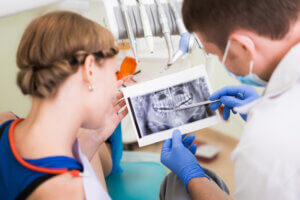
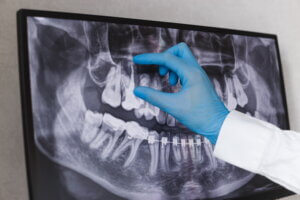
The first question you should ask your dentist is whether or not your wisdom teeth need to be removed. This decision is usually based on the position of the teeth and whether they are causing crowding or other problems. Your dentist will likely use panoramic imaging to have a good look at all the necessary structures and make a diagnosis and an extraction plan.

What type of anesthesia will be used?

If wisdom teeth removal is recommended, the next question to ask is what type of anesthesia will be used. There are three main types of anesthesia:

Local

Local dental anesthesia numbs the nerves in your teeth and gums. You may feel pressure, but you shouldn’t feel any additional discomfort. 

Nitrous Oxide Sedation with Local Anesthetic

The nitrous oxide relaxes you and helps to numb the area being operated on. Local anesthesia is injected into the gums to further numb the area and prevent discomfort. 

General 

General anesthesia numbs the entire body and puts you to sleep. The anesthesia will make you unconscious and unable to feel discomfort. 

What can I expect during recovery?

Finally, you should ask about the recovery process. Wisdom teeth removal is a fairly straightforward procedure, but it’s still important to know what you can expect in terms of swelling, bruising, and discomfort. 

Where can I find an experienced specialist for wisdom teeth removal in Murrieta, CA?

If you’re having trouble with your wisdom teeth or simply want to avoid potential problems down the road, Temecula Center for Dental Implants is the place to go. Wisdom teeth removal is a relatively simple outpatient procedure, and our specialist, doctor Tsvetov, has years of experience helping patients through the process. 

We understand that having surgery can be daunting, but the doctor will work with you to ensure that you are comfortable and informed every step of the way. We put our patients first, which is why we offer the option of emergency same-day appointments for patients who need our immediate attention. Contact us today to schedule a free consultation!


3 Sedation Options for Wisdom Teeth Extractions & Their Benefits

04/18/2022

Most patients feel anxious and apprehensive about the prospects of getting their wisdom teeth removed. Discomfort is usually the number one concern for the majority of people facing any type of oral surgery. However, if you work with Murrieta’s leading wisdom teeth removal specialist, there’s no reason to worry. 

Your oral surgeon will discuss anesthesia options with you beforehand and use the one that works best in your situation. This way, you’ll be safe and comfortable throughout your procedure. To get to know more about different types of discomfort management that may be used, read on.

What types of anesthesia can be used for wisdom teeth removal? What types of anesthesia can be used for wisdom teeth removal 

Oral surgery includes sedation to eliminate discomfort and put you at ease. There are three options for discomfort management commonly used during wisdom tooth extractions. Your surgeon will suggest the best anesthetic based on your needs and run this by you in advance. They will also provide you with instructions on preparation and aftercare that you should follow closely.

1. Local anesthesia

Local anesthesia is injected in the area where the surgery is performed. It’s typically applied to the gums around the tooth. The patient stays conscious but the area that’s being operated on turns numb, so they don’t feel any discomfort. The only thing you may feel is the pressure caused by the instruments the surgeon is using. Nitrous oxide, also known as laughing gas, can be used alongside a local anesthetic to further relax you. The patient breathes it in through a mask that’s put over their nose. 

Local anesthesia is mostly recommended for minor procedures, such as when you’re getting a filling. It wears off after a few hours and you may then feel some numbness in your gums, cheek, and lips. 

2. IV sedation

Intravenous sedation is administered into a vein through a catheter. The patient isn’t fully conscious during the procedure and they typically have no recollection of it. While they can understand and answer verbal cues, they are fully relaxed and don’t feel any discomfort. 

This may be an excellent option for patients who are very anxious about their dental procedure. Although they won’t be asleep, it may feel like it afterward because they likely won’t remember anything that took place. Right after the sedative wears off, you may feel drowsy and sluggish as well as experience low blood pressure, headache, and nausea.

3. General anesthesia

General anesthesia is used to make the patient fully unconscious. Since the patient is completely unaware of what is happening, they feel no pain and have no memory of the procedure. It may be suitable for those who are extremely fearful of undergoing surgery. 

There are certain risks associated with general anesthesia, especially if you’re in a high-risk group, like if you have heart disease. However, the team will closely monitor your vital signs to minimize chances of complications. Some short-term side effects that may occur after anesthesia include confusion, dizziness, nausea, and trembling.

Where in Murrieta can I find a dependable teeth removal specialist?

Where in Murrieta can I find a dependable teeth removal specialist

Patients from Riverside County should feel free to contact Temecula Center for Dental Implants for a consultation about their wisdom teeth extraction. You’ll first have a free evaluation appointment where Dr. Tsvetov assesses their condition and performs the necessary diagnostic testing. 

We understand that the prospects of oral surgery can make you uneasy and we do our best to ensure your comfort. This is why your doctor will carefully choose a suitable anesthetic and explain its advantages to you. He will also help you get ready for the procedure and let you know what to expect from the surgery and after it. 

If you suspect that you may need a wisdom tooth extraction or another oral surgery, give us a call for expert guidance and excellent care.

4 Common Problems Caused by Impacted Wisdom Teeth

04/18/2022

A tooth is impacted when it doesn’t fully emerge because there’s too little room for it in the mouth. Impacted wisdom teeth are a common occurrence, with some estimates showing that it affects up to 90 percent of people. Because they’re the last teeth to erupt and they’re located at the back of the mouth, there is often not enough space for them to develop.

Impaction can cause a variety of problems for the patient. If you have impacted third molars, your specialist will likely suggest wisdom teeth removal at their dental office in Murrieta. This will spare you a lot of trouble and discomfort down the line. Learn what complications could happen due to impacted wisdom teeth and why it’s best to have them extracted.

What are some problems associated with impacted wisdom teeth?

Wisdom teeth appear in late adolescence or early adulthood and commonly come in at an angle or only erupt partially because they lack room to develop normally. Over time, this can lead to multiple issues. It’s advisable to react to the first signs of erupting wisdom teeth and have them removed as soon as possible if your specialist determines that they may cause problems in the future. Here are some unpleasant symptoms that can come up if the problem of impacted teeth isn’t addressed.  

1. Discomfort4 Common Problems Caused by Impacted Wisdom Teeth

Discomfort is one of the first signs of an impacted wisdom tooth coming in. Since they tend to grow sideways, they may touch surrounding tissue and teeth. Because the tooth can’t break through, the gums around the tooth may become red and swollen, causing pain. Pain medication can provide short-term relief, but the problem can only go away for good if it’s treated by a specialist. If you’re experiencing any discomfort, it should prompt you to schedule a dental appointment.

2. Infections

Because they’re hard to reach, wisdom teeth are difficult to clean. Impaction makes cleaning even more complicated. This means that you’re at an increased risk of bacterial infections. Food often gets stuck in the tiny spaces between the gums and the tooth called gum pockets. The combination of these trapped pieces of food and the bacteria in your mouth can create an infection. If you have bad breath, swelling around the tooth, and a fever, an infection may be a likely cause.

3. Cavities and cysts

Impacted wisdom teeth often cause crowding and they’re also hard to keep clean because of their position. These are risk factors for the development of cavities. With tooth decay, you’ll notice signs like hot or cold sensitivity, toothache, bad breath, and visible holes in the affected tooth. Cysts are fluid-filled sacs that can form next to the impacted tooth. They can press onto adjacent teeth, gum tissue, and bone. They can get infected and produce abscess and pain.

4. Damage to adjacent teeth

Since impacted wisdom teeth rarely come in straight, nearby teeth get in their way as they grow, so they push them. This causes misalignment, which may require orthodontic treatment. In addition, adjacent teeth can develop cavities and infections because of the crowding caused by impaction.

Who is the leading expert in wisdom teeth removal in Murrieta?What are some problems associated with impacted wisdom teeth

Dr. Tsvetov at Temecula Center for Dental Implants will correctly identify and find an effective solution for any dental condition caused by your impacted wisdom teeth. 

Schedule your free initial appointment to have the problem diagnosed, receive a custom treatment plan, and go over the details with your doctor. We’ll find the best sedation option for you to make sure you feel as comfortable as possible during and after the procedure. Your doctor will make sure you’re safe and satisfied with the outcome of the procedure.

Give us a call to have the leading oral surgeon in the Temecula region care for your oral health.

Top Tips for Avoiding Dental Emergencies

03/22/2022

Dental emergencies are usually intensely unpleasant because they go hand in hand with discomfort and anxiety. If they happen, a qualified dental specialist will solve your problem as quickly and comfortably as possible. However, it’s still better to prevent these situations altogether.

Learn what you can do to avoid dental emergencies and keep your dental health stable and consistent. This way, you may never have to get an emergency wisdom teeth extraction or another urgent procedure in Temecula.

What is the best way to prevent a dental emergency? 

Top Tips for Avoiding Dental Emergencies

It’s always preferable to prevent serious dental issues than wait until it’s too late and face an emergency tooth extraction or an extensive course of treatment. Although it’s perfectly normal to experience some dental issues from time to time, some of the most severe ones can usually be avoided. Here’s how to minimize the likelihood of a dental emergency.

1. Excellent oral hygiene

If you brush and floss your teeth correctly and consistently, you’ll minimize the chances of experiencing dental problems. The key to proper oral hygiene is to efficiently remove food debris and bacteria that could otherwise cause tooth decay and infections. 

2. Regular dental visits

Even if everything is fine and there are no signs of a dental condition, you still have to get regular check-ups from time to time. Your doctor can then spot the earliest signs of potential problems and nip them in the bud. There’s always a higher likelihood of saving a tooth if treatment is carried out early.

3. Getting adequate treatment for minor conditions

Even if you take great care of your teeth, problems may sometimes happen. Reach out to your doctor and set up an appointment as soon as you notice anything strange, even if the symptoms are mild. For example, cavities can be easily treated if you catch them early. Gum inflammation is also highly treatable in its early stages. If these problems are addressed early on, you’ll stay safe and prevent dental emergencies.

4. Getting orthodontic treatment

Crowding is one of the biggest risk factors for tooth decay because it prevents you from properly cleaning your teeth. It can also cause damage to your existing crowns or fillings. This is why it’s very beneficial to correct misalignment with adequate orthodontic treatment. 

5. Leading a healthy lifestyle

Tobacco smoke negatively affects your oral and general health. If you smoke, try to quit. It’s also best to limit your intake of alcohol and sugar, and stick to whole foods. If you have diabetes, it’s important to have it properly managed because it can otherwise exacerbate gum disease. 

6. Using mouthguards

If you take part in sports, you should use mouthguards to protect your teeth from impact and potential damage. It’s especially important to use them if you play contact sports, where there’s a good chance of heavy blows and falls.

Who can perform a skillful emergency wisdom teeth extraction in Temecula?

Who can perform a skillful emergency wisdom teeth extraction in Temecula

While there are things you can do to prevent a dental emergency, they may still sometimes happen. If you feel intense discomfort, swelling, or another sign that you may require urgent treatment, give us a call. Temecula Center for Dental Implants is the go-to choice for patients living near Harveston Lake Park or in another area of the Temecula region. 

After performing a detailed dental exam, Dr. Tsvetov will let you know if you need an emergency tooth extraction or another type of treatment to fix the issue. He can also give you expert advice on how to prevent similar complications from happening again. Get in touch with

Emergency Tooth Extractions: Top 5 Causes

03/22/2022

Timely prevention is the key to excellent dental health. If a problem occurs, dental experts do everything they can to preserve the patient’s natural teeth. Extractions are usually used as a last resort, only once all the other conservative methods have failed. 

Tooth removal is sometimes the only remaining option at your disposal. An experienced emergency oral surgeon in Temecula will successfully perform it and take further steps to ensure your dental health. However, it’s still best to understand the possible causes of emergency extractions and learn what you can do to avoid them.

What causes emergency tooth extractions? What causes emergency tooth extractions 

There are multiple conditions that could lead to an emergency tooth removal. While your doctor will always try to restore the health of your tooth before suggesting an extraction, there are certain situations where this may be inevitable. Sometimes, it can be considered an emergency and done on the same day because the patient’s in pain and their condition is likely to worsen.

1. Impacted wisdom teeth

Your third molars are at risk of impaction because they erupt later in life (typically in your early twenties) and there’s usually little room left for them to form properly. This is why they often cause crowding of adjacent teeth. Sometimes, they don’t emerge completely and then they’re said to be impacted. If your wisdom tooth causes intense pain and swelling, you may need to get it removed urgently.

2. Crowding

If your teeth aren’t aligned properly, you may need to have one or a few of them extracted to begin orthodontic treatment. Crowded teeth occur because the jaw is too small to accommodate all of them. Tooth extraction can create additional room in your jaw and contribute to orthodontic success.

3. Periodontitis

Periodontal disease begins with the inflammation of the gums, which can be effectively treated before it creates severe problems. However, if the condition advances, it can prompt emergency tooth removal. Its symptoms include gum swelling and redness, bleeding gums, difficulty chewing, and receding gum tissues. Since it makes your gums recede and leaves a larger portion of your teeth exposed, they lose support and sometimes require an extraction.

4. Advanced tooth decay

Having a cavity doesn’t necessarily mean that you’ll have to get your tooth removed. In most cases, your doctor will restore the tooth with a filling or a crown. However, if most of your tooth is affected, your doctor may not be able to save it. To prevent decay from becoming a severe problem, practice proper oral hygiene and schedule a dental appointment as soon as you notice anything suspicious.

5. Cracked tooth under gums

Your tooth may fracture because of trauma or if you have a large filling or root canal that has destabilized it. If the tooth breaks below the gum line, you may feel discomfort, sensitivity, and swelling. This type of fracture is a common reason for an emergency tooth removal because this prevents further complications, including infections.

Who’s the best emergency oral surgeon in Temecula?

Emergency Tooth Extractions Top 5 Causes

Temecula Center for Dental Implants is a leading dental office in the Temecula region. If you live near Paloma Del Sol Park or elsewhere in the area, and you experience discomfort or another worrying symptom, let us know. If it’s a potential dental emergency, Dr. Tsvetov will do his best to see you on the very same day. Depending on the results of your dental exam, he will suggest suitable treatment, which may include a quick and precise emergency tooth extraction.

Give us a call to schedule your appointment. No matter the severity or complexity of your condition, your doctor will create a tailored treatment plan and implement the best solution to restore your health.